
Throughout California, there are rehab centers that offer treatment programs for substance abuse in the LGBTQ community.
These facilities are either friendly and welcoming to the LBGTQ community, or they only offer treatment specific to LGBTQ people.
List Of LGBTQ+ Rehab Facilities In California
Below is our list of rehab centers that offer LGBTQ-specific treatment for drug and alcohol addiction.
These rehab centers have been vetted for quality by looking at such marks as accreditation, memberships, and client testimonials.
1. La Fuente Hollywood Treatment Center, Los Angeles, California

La Fuente Hollywood Treatment Center is licensed by the California Department of Healthcare Services, accredited by the Commission on Accreditation of Rehabilitation Facilities, and verified by LegitScript.
They are a LGBTQ-specific treatment center that provides all levels of care.
Their treatment plan includes:
- detox
- inpatient treatment
- outpatient treatment
- sober living
- aftercare
They use evidence-based therapeutic modalities and medication-assisted treatment (MAT).
Location and contact information:
5718 Fountain Ave.
Los Angeles, CA 90028
(323) 464-2947
2. San Francisco Aids Foundation Substance Health Services, San Francisco, California
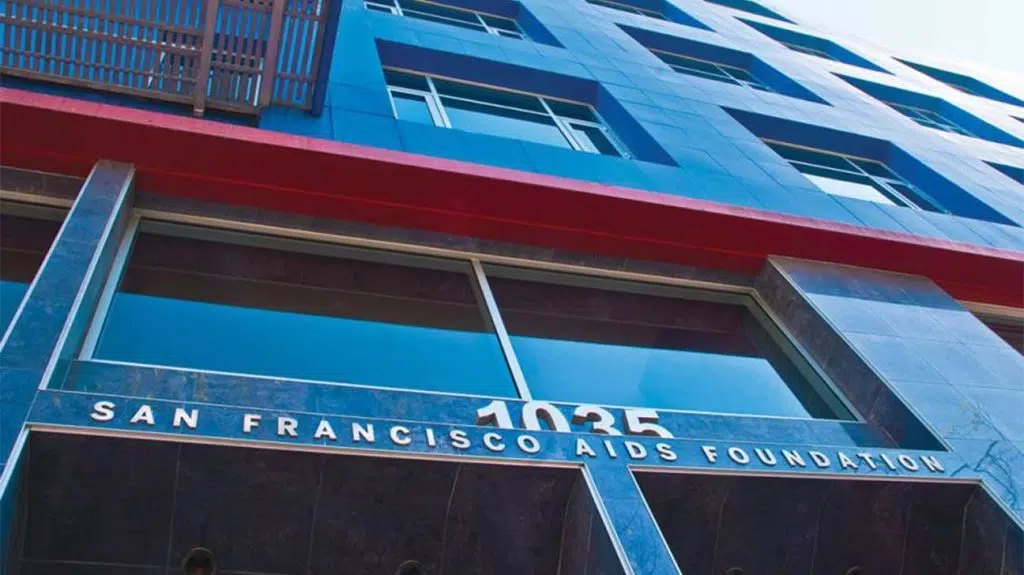
This healthcare organization serves members of the LGBTQ community by providing treatment for substance abuse and co-occurring mental health disorders.
Their outpatient program includes counseling, MAT, and an emphasis on harm reduction.
You will not be asked to leave their program, and they reach out to all people who inject drugs. They have a particular emphasis on treating bisexual, queer, trans, or gay men.
As a rehab facility in San Francisco, CA, they have a 3.8 rating on Google and are verified as a 4-star non-profit organization.
Location and contact information:
1035 Market St.
Suite 400
San Francisco, CA 94103
(415) 487-3100
3. Stepping Stone, San Diego, California
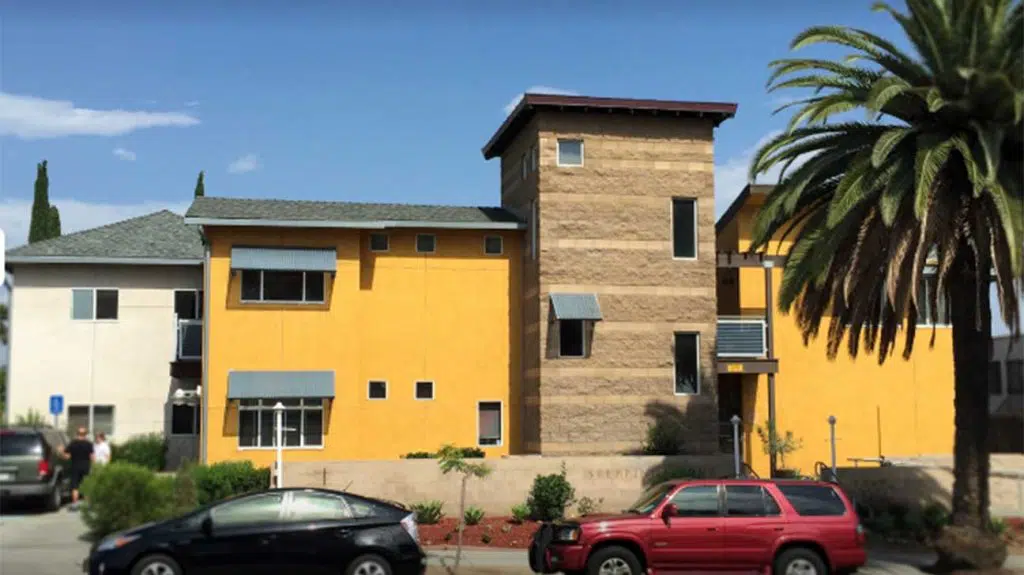
Licensed by the County of San Diego Health and Human Services, Stepping Stone offers a spectrum of treatment options including inpatient treatment, outpatient treatment, and aftercare.
They primarily serve the LGBTQ community but offer treatment for all individuals and backgrounds.
This treatment center uses a combination of evidence-based practices and holistic treatment, and they have a 4.7-star rating on Google.
Location and contact information:
3767 Central Ave.
San Diego, CA 92105
619) 278-0777 ext. 100
4. Sunrise Community Counseling Center, Los Angeles, California
This treatment center is a non-profit organization with a 4.4-star rating on Google. They specialize in outpatient counseling and treatment for substance use disorders.
They are welcoming to all groups, including LGBTQ individuals, and they offer bilingual services.
A treatment center in Los Angeles, CA, they also address co-occurring mental health issues.
Location and contact information:
537 South Alvarado St.
Los Angeles, CA 90057
(213) 207-2770 ext. 209
5. University of California San Francisco Alliance Health Project, San Francisco, California
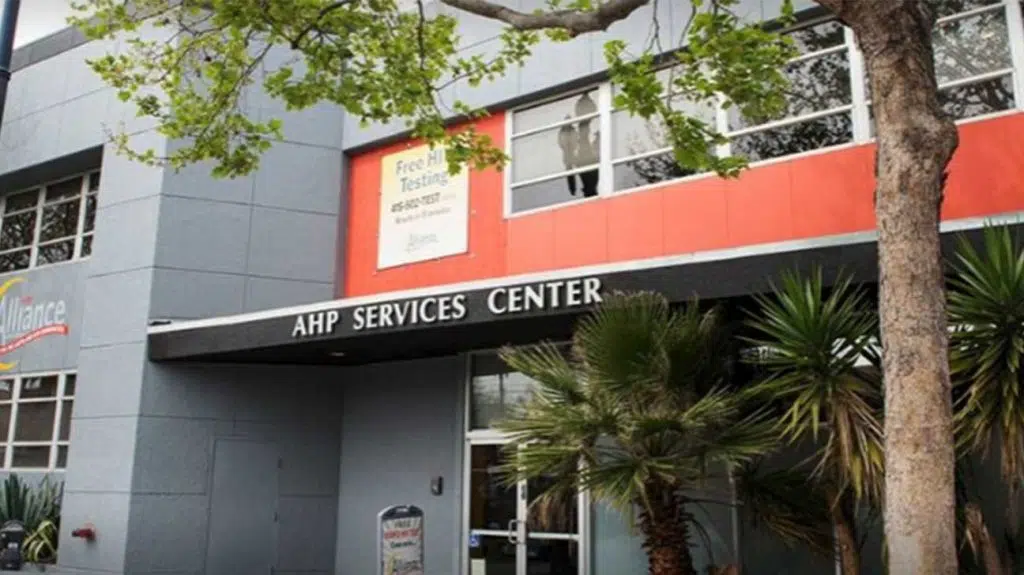
This is a healthcare organization with a drug rehab center, and they are focused on providing treatment for members of the LGBTQ community, including transgender individuals.
They practice individual outpatient treatment with an emphasis on harm reduction, which means you can get services here regardless of where you are in your substance use.
The Alliance Health Project is part of the University of California San Francisco and has a 4.4-star rating on Google.
Location and contact information:
1930 Market St.
San Francisco, CA 94102
(415) 476-3990
Prevalence Of Substance Use In The LGBTQ+ Community
Alcohol and drug addiction are quite prevalent in the LGBTQ community, according to statistics released by the Substance Abuse and Mental Health Services Administration (SAMHSA) in 2019.
About half of the sampled adults who identified as lesbian, gay, or bisexual engage in drug abuse and almost two-thirds of those sampled may need alcohol rehab.
Drug rehab programs that are specific to the needs of LGBTQ individuals are critical to the community.
Factors That Influence Substance Use In The LGBTQ+ Population
But there are roadblocks to addiction recovery that can hamper the effectiveness of treatment programs for LGBTQ individuals.
These roadblocks usually come in the form of emotional trauma from the past and can sometimes even result in mental health disorders.
Things that can stall a recovery program for LGBTQ individuals can include:
- tension with family members
- generalized homophobia
- emotional or physical trauma
As a result, many LGBTQ people need mental health treatment for co-occurring disorders (dual diagnosis) with substance use disorders.
What To Look For In A LGBTQ+ Drug Rehabilitation Program In California
If you are looking for a recovery program that includes residential treatment, outpatient services, or even long-term recovery, be sure it has specialized services specific to the LGBTQ community.
Some of these recovery services may include:
- family therapy
- cognitive behavioral therapy
- sober living options
Also, be sure that you investigate whether the treatment facility you are considering works with insurance.
Many health insurance providers may cover addiction treatment regardless of your sexual orientation as long as the rehab facility works with your insurance company.
FAQs For LGBTQ+ Rehab Facilities In California
If you still have concerns about LBGTQ rehab facilities in California, consult our frequently asked questions below.
What Is A Common Misconception About LGBTQ Rehab?
One of the misconceptions is that you have to hit rock bottom to attend a recovery program.
This is not true, and in fact, it is better for you to seek help as soon as you recognize you have a problem.
What Are The Three Primary Types Of LGBTQ Rehab?
The three primary types of rehab settings are inpatient, residential, and outpatient. A rehab center may offer one type of rehab, all three, or varying levels of care for alcohol and drug addiction.
What Percentage Of LGBTQ People Are In Need Of Addiction Treatment?
Depending on the substance use disorder, 16% (individuals engaged in polysubstance abuse) and 65% (individuals engaged in alcohol abuse) may need a recovery program.
Find LGBTQ+ Addiction Recovery Programs In California
You or your loved one can get help for substance abuse that is LGBTQ friendly.
At AddictionResource.net, we offer confidential help finding a treatment program that is right for you.
Call our helpline today to get started on your recovery.
Published on August 2, 2022
Addiction Resource aims to provide only the most current, accurate information in regards to addiction and addiction treatment, which means we only reference the most credible sources available.
These include peer-reviewed journals, government entities and academic institutions, and leaders in addiction healthcare and advocacy. Learn more about how we safeguard our content by viewing our editorial policy.
- National Institute on Drug Abuse — Drug Addiction Treatment in the United States
https://nida.nih.gov/publications/principles-drug-addiction-treatment-research-based-guide-third-edition/drug-addiction-treatment-in-united-states - National Institute on Drug Abuse — Substance Use and SUDs in LGBTQ* Populations
https://nida.nih.gov/research-topics/substance-use-suds-in-lgbtq-populations - Substance Abuse and Mental Health Services Administration — 2019 National Survey on Drug Use and Health: Lesbian, Gay, & Bisexual (LGB) Adults
https://www.samhsa.gov/data/sites/default/files/reports/rpt31104/2019NSDUH-LGB/LGB%202019%20NSDUH.pdf - Substance Abuse and Mental Health Services Administration — Find Treatment
https://findtreatment.gov/ - UCLA School of Law Williams Institute — LGBT Data & Demographics
https://williamsinstitute.law.ucla.edu/visualization/lgbt-stats/?topic=LGBT#density