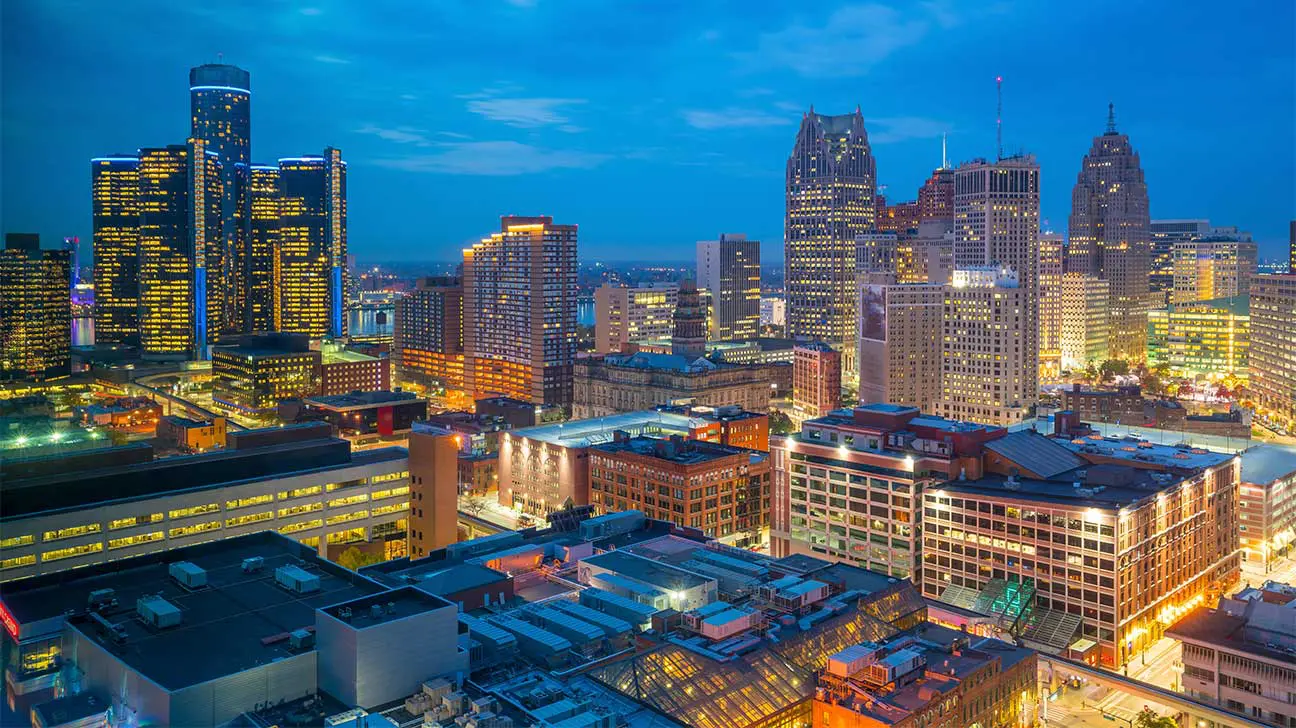
Rehab programs in Detroit offer many types of addiction treatment. Some are faith-based, and all offer some form of counseling, such as family, individual, or group counseling.
Many Detroit drug rehab centers have 12-step programs, medication-assisted treatment (MAT), residential treatment services, and more.
To find the best program for yourself or a loved one, you should choose a treatment facility that offers the services you need and features top credentials.
Learn more about available treatment options in Michigan
List Of Treatment Centers In Detroit, Michigan
We’re here to assist you in locating a program that’s right for you or someone you care for. In this list, we have selected only facilities that feature top credentials and more.
Trusted features may include:
- accreditation
- Google ratings
- client testimonials
1. Detroit Rescue Mission Ministries, Detroit, Michigan
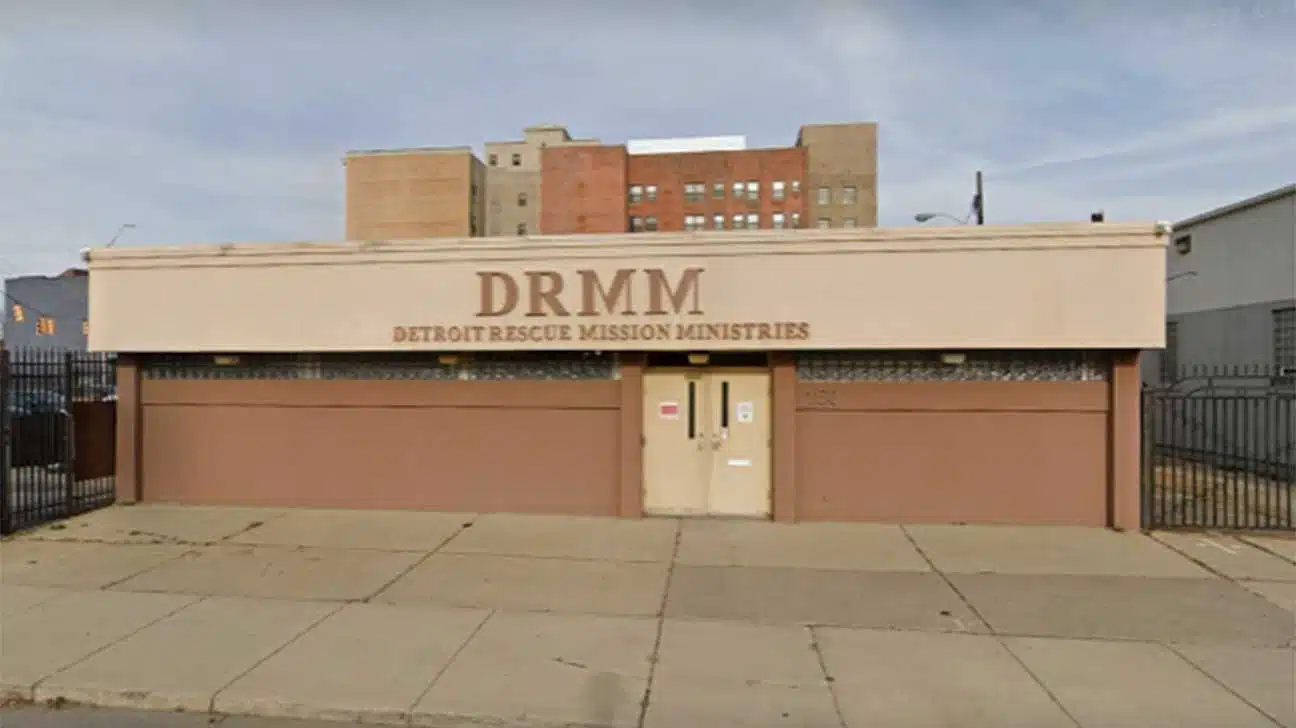
This ministry offers faith-based substance abuse treatment.
They have rehab facilities for men and women, as well as aftercare programs for relapse prevention and services for residents’ children.
Trusted features:
- nonprofit status
- client testimonials
- 3.6-star Google rating
Levels of care:
- inpatient treatment
- detoxification
- intensive outpatient program (IOP)
- outpatient treatment
Treatment services:
- case management
- women’s addiction treatment
- sober living
- peer recovery support
- medication management
Payment options:
- self-pay
Location and contact information:
150 Stimson St.
Detroit, MI 48201
(313) 993-4700
2. Emmanuel House, Detroit, Michigan
This Detroit rehab center treats homeless veterans with a variety of issues, including substance abuse.
Found in the French Quarter apartment complex, this rehab center has a 60-day recovery detox program that emphasizes the 12-step philosophy.
Trusted features:
- state licensure
- client testimonials
- evidence-based treatment
- licensed staff
Levels of care:
- inpatient treatment
Treatment services:
- veterans treatment
- dual diagnosis treatment
- counseling
- cognitive behavioral therapy (CBT)
- 12-step recovery groups
- anger management
- relapse prevention
Payment options:
- government funding
- self-pay
Location and contact information:
14750 Saint Marys St.
Detroit, MI 48227
(313) 397-2372
3. Get Back Up, Detroit, Michigan
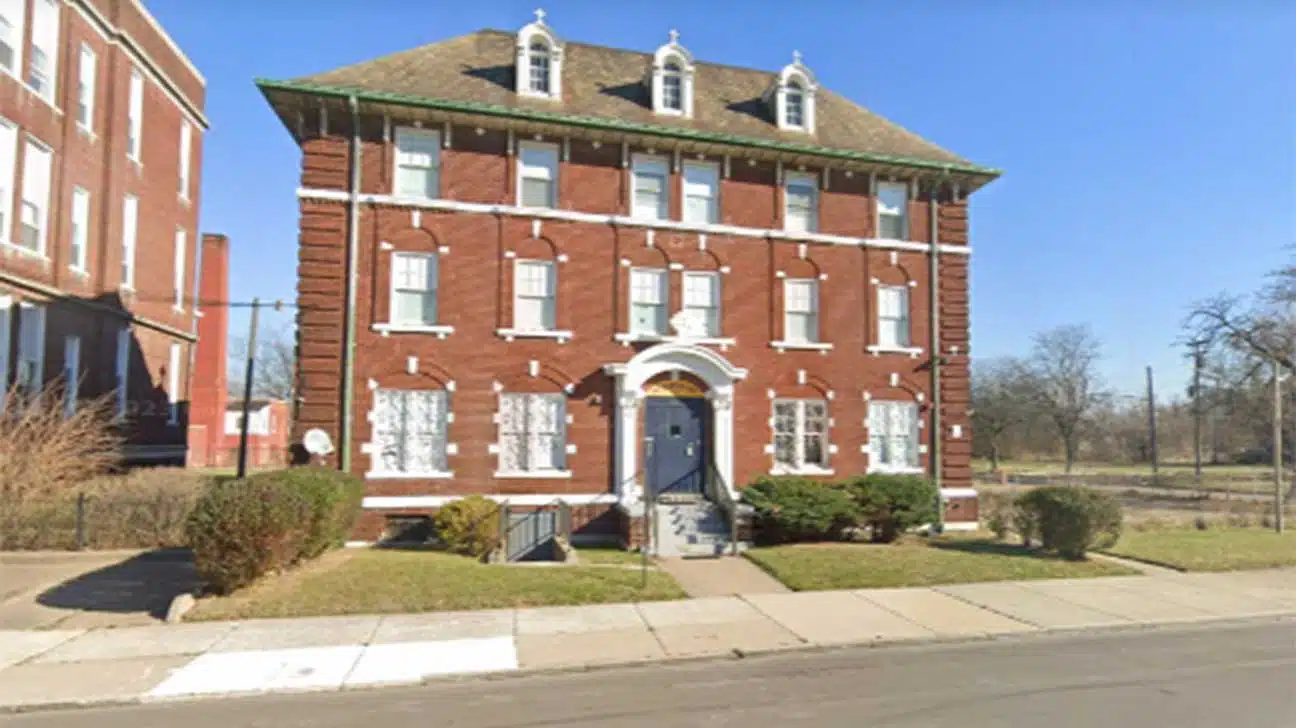
This is a non-profit, residential treatment facility with a 160-person capacity in Detroit. This program is designed to treat adult men with substance use disorders.
The rehab center places emphasis on education, life coaching, motivation, and other aspects related to recovery from addiction.
Trusted features:
- Commission on Accreditation of Rehabilitation Facilities (CARF) accreditation
- state licensure
- client testimonials
Levels of care:
- inpatient treatment
- outpatient treatment
Treatment services:
- counseling
- 12-step recovery groups
- dialectical behavior therapy (DBT)
- trauma-informed therapy
- anger management
- relapse prevention
Payment options:
- government funding
- sliding fee scale
- self-pay
Location and contact information:
12305 Dexter Ave.
Detroit, MI 48206
(313) 331-8900
4. Jefferson House, Detroit, Michigan
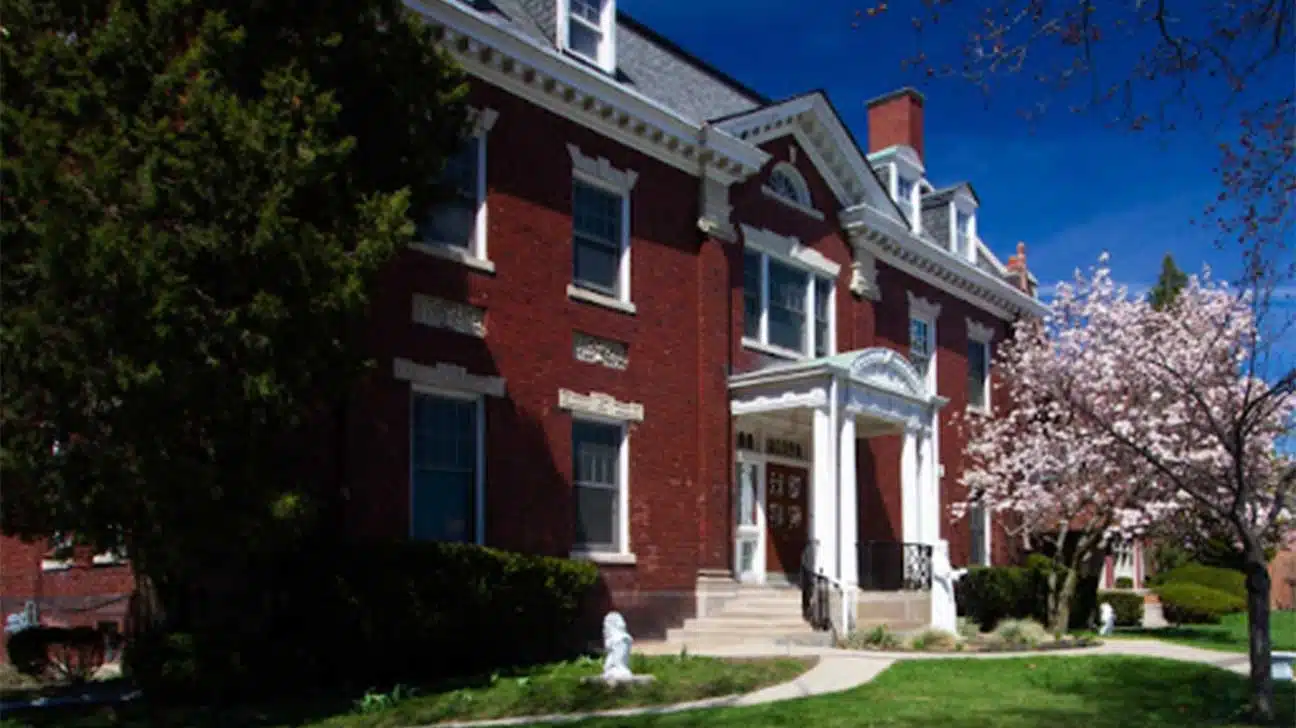
Inspired by the life of St. Francis of Assisi, Jefferson House is a residential treatment program sponsored by the Capuchin Soup Kitchen.
Clients spend six to nine months in the Jefferson House’s 12-bed Detroit rehab facility where they attend 12-step meetings and work at other soup kitchen locations for a stipend.
Trusted features:
- 5-star Google rating
- client testimonials
- evidence-based treatment
Levels of care:
- inpatient treatment
Treatment services:
- cognitive behavioral therapy (CBT)
- dialectical behavior therapy (DBT)
- trauma-informed therapy
- men’s addiction treatment
Payment options:
- free/low-cost
Location and contact information:
8311 E. Jefferson
Detroit, MI 48214
(313) 331-8900
5. Quality Behavioral Health, Detroit, Michigan
Both long-term and short-term treatment options are available at this drug dependency treatment program.
This facility offers a specialized rehab program for women facing addiction.
Trusted features:
- Commission on Accreditation of Rehabilitation Facilities (CARF) accreditation
- Joint Commission accreditation
- state licensure
Levels of care:
- inpatient treatment
- intensive outpatient program (IOP)
- outpatient treatment
- medication-assisted treatment (MAT)
Treatment services:
- group therapy
- family therapy
- psychiatric services
- 12-step recovery groups
- counseling
- Suboxone treatment
- women’s addiction treatment
Payment options:
- private health insurance
- Medicare
- self-pay
Location and contact information:
6821 Medbury
Detroit, MI 48211
(313) 922-2222
6. The Salvation Army Adult Rehabilitation Center, Detroit, Michigan
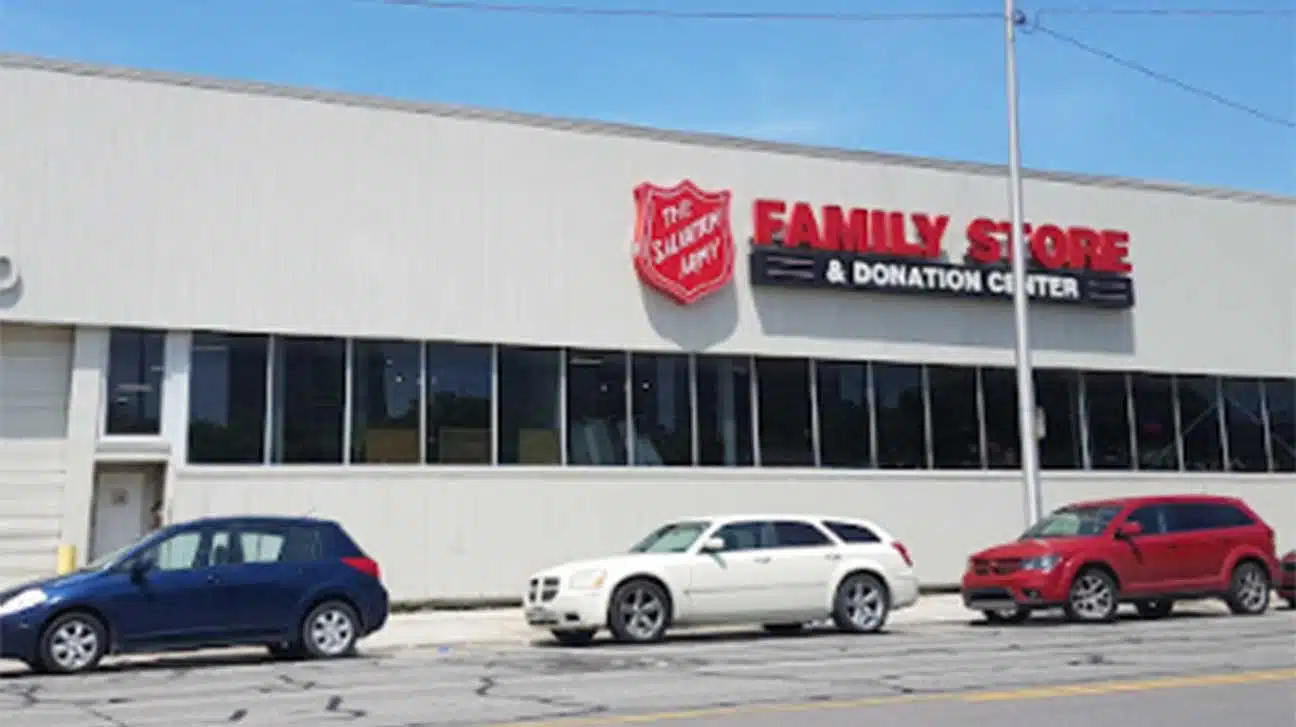
One of many rehabilitation centers around the country, this Salvation Army facility uses a faith-based approach to treating patients overcoming addiction to alcohol and drugs.
This is a 180-day residential treatment program with a holistic approach, offering life skills development and addiction therapies that involve both groups and individuals.
Trusted features:
- 3.7-star Google rating
- Evangelical Council for Financial Accountability (ECFA) accreditation
- client testimonials
Levels of care:
- inpatient treatment
- aftercare
Treatment services:
- faith-based services
- counseling
- life skills education
- employment services
Payment options:
- free/low-cost
Location and contact information:
1627 W. Fort St.
Detroit, MI 48216
(313) 965-7760
7. SHAR, Detroit, Michigan
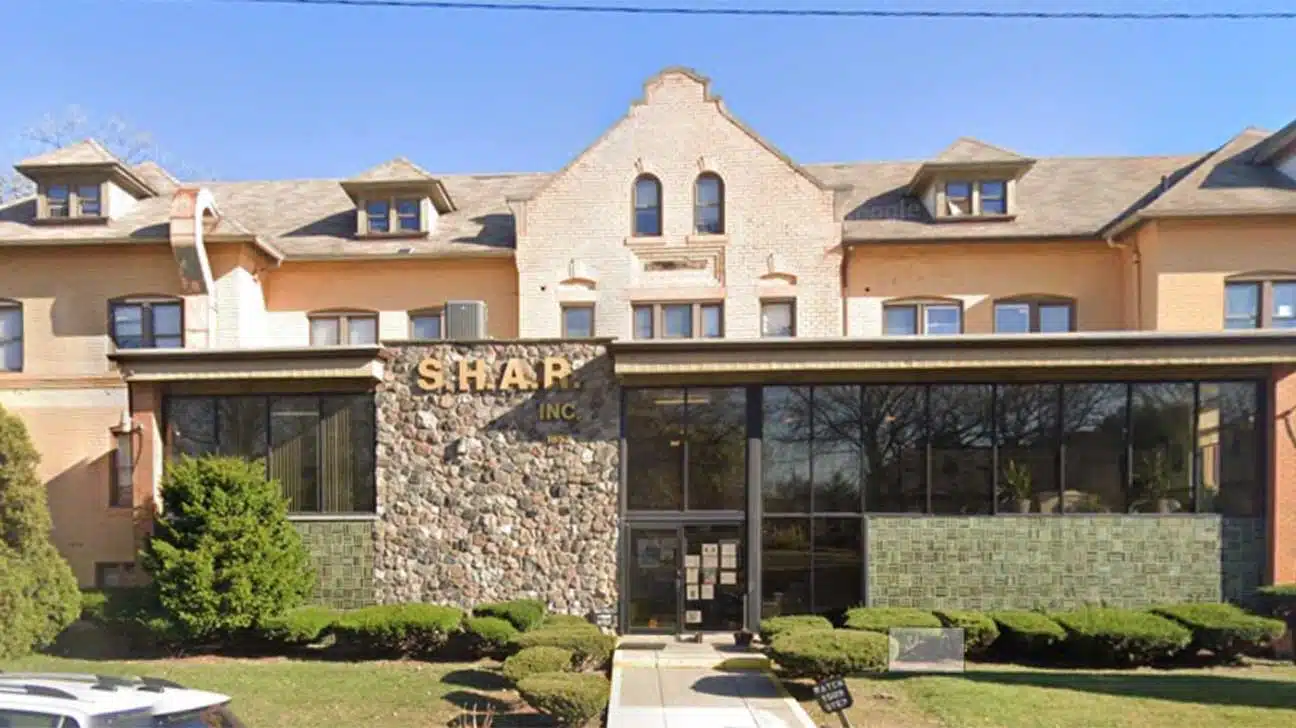
This rehab center offers an array of evidence-based treatment options as well as specialized programs for men.
Their residential treatment program lasts as long as 120 days, and they operate special units for women. The client can then graduate to transitional housing at SHAR’s 30-bed residence.
Trusted features:
- Commission on Accreditation of Rehabilitation Facilities (CARF) accreditation
- evidence-based treatment
- client testimonials
Levels of care:
- inpatient treatment
- detoxification
- outpatient treatment
- medication-assisted treatment (MAT)
Treatments services:
- case management
- dual diagnosis treatment
- counseling
- men’s addiction treatment
- peer recovery support
- relapse prevention
Payment options:
- private health insurance
- Medicare
- self-pay
Location and contact information:
1851 W. Grand Blvd.
Detroit, MI 48208
(313) 556-5222
Types Of Addiction Treatment In Detroit
Detroit is home to a variety of treatment programs, including live-in residential programs and live-at-home telehealth and outpatient options.
Here are some of the programs you might find in Detroit:
- medication-assisted treatment: the use of medications in combination with behavioral therapies to provide a whole-patient approach to substance abuse treatment
- inpatient rehabilitation: a 24-hour treatment center that provides 28 to 90 days of structured care
- residential treatment: live-in treatment that may last upwards of 90 days, depending on the program
- outpatient programs: these range in intensity to include standard outpatient (lowest intensity), intensive outpatient, and partial hospitalization (highest intensity)
- medical detox: this provides a safe withdrawal from alcohol or drugs, usually lasting between five and 10 days in a treatment center
- opioid treatment: Detroit centers often offer opioid-specific programs, which may use medications to ease withdrawal symptoms (such as Suboxone or methadone)
- relapse prevention or aftercare: this is designed to continue therapy and the development of skills to support recovery after a treatment program
Paying For Drug Treatment In Detroit
You can use a few different methods of payment to cover the cost of rehabilitation in Detroit.
First, you may use your private health insurance provider to pay for treatment. Many companies cover most of the cost of rehab, if not the full expense.
Some outpatient and inpatient drug rehab programs accept Medicaid and Medicare, which can provide nearly free treatment.
Non-profit organizations often offer scholarships, assistance securing grant money, sliding-fee payment scales, and other methods of reducing treatment expenses.
FAQs For Detroit Drug Rehab Facilities
Find answers to a few of the most commonly asked questions about drug abuse treatment in Detroit.
❓ Can Rehab Treat My Depression In Detroit?
✔️ There are several recovery centers that can offer dual diagnosis treatment for co-occurring disorders of substance abuse and mental illness, including depression.
❓ Can I Get Holistic Treatment In Detroit?
✔️ Some treatment centers in Detroit only use evidence-based treatments, but others incorporate holistic methods of treatment.
This includes recreation, nutrition, yoga, meditation, and other alternative approaches to treatment.
❓ Are Family Services Available At Detroit Drug Rehab Centers?
✔️ Most behavioral health programs incorporate support groups and treatment services involving family members.
Find Drug And Alcohol Addiction Treatment In Michigan
For more information on rehab programs for you or a loved one, contact a treatment specialist today at AddictionResource.net.
Find addiction treatment near Detroit, MI:
Updated on July 13, 2023
Addiction Resource aims to provide only the most current, accurate information in regards to addiction and addiction treatment, which means we only reference the most credible sources available.
These include peer-reviewed journals, government entities and academic institutions, and leaders in addiction healthcare and advocacy. Learn more about how we safeguard our content by viewing our editorial policy.
- Substance Abuse and Mental Health Services Administration — Detoxification and Substance Abuse Treatment
https://store.samhsa.gov/sites/default/files/d7/priv/sma15-4131.pdf - Substance Abuse and Mental Health Services Administration — Medication-Assisted Treatment (MAT)
https://www.samhsa.gov/medication-assisted-treatment