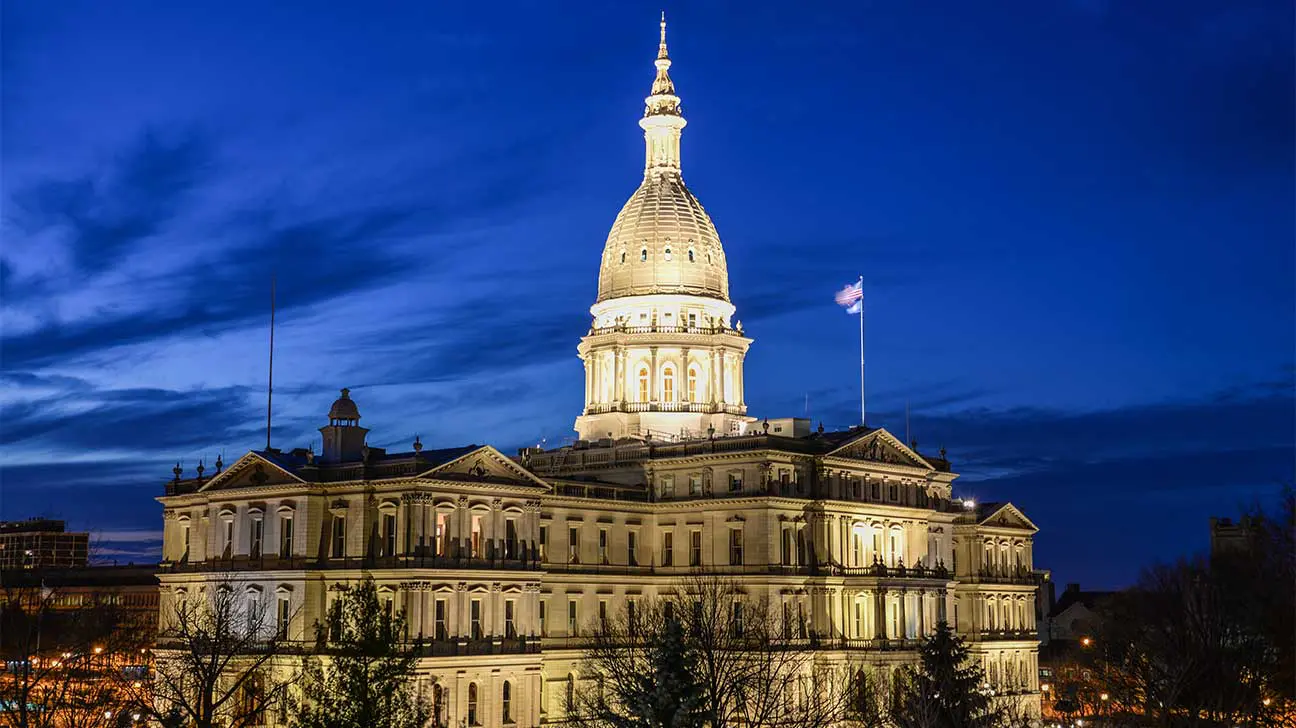
There are at least five drug and alcohol addiction treatment centers in Lansing, Michigan for people overcoming substance use disorder.
These Michigan rehab centers offer a range of treatment services, including medical detox, inpatient care, outpatient programs, and more.
List Of Rehab Centers In Lansing, Michigan
If you or a loved one are searching for a substance abuse treatment program in the Lansing, MI, area, try filtering your search through different factors such as level of care, use of evidence-based services, and marks of quality.
We’ve selected treatment facilities for the list below based on marks of quality care such as:
- accreditation
- certification
- licensure
- membership
- other criteria
1. Cognitive Consultants, Lansing, Michigan
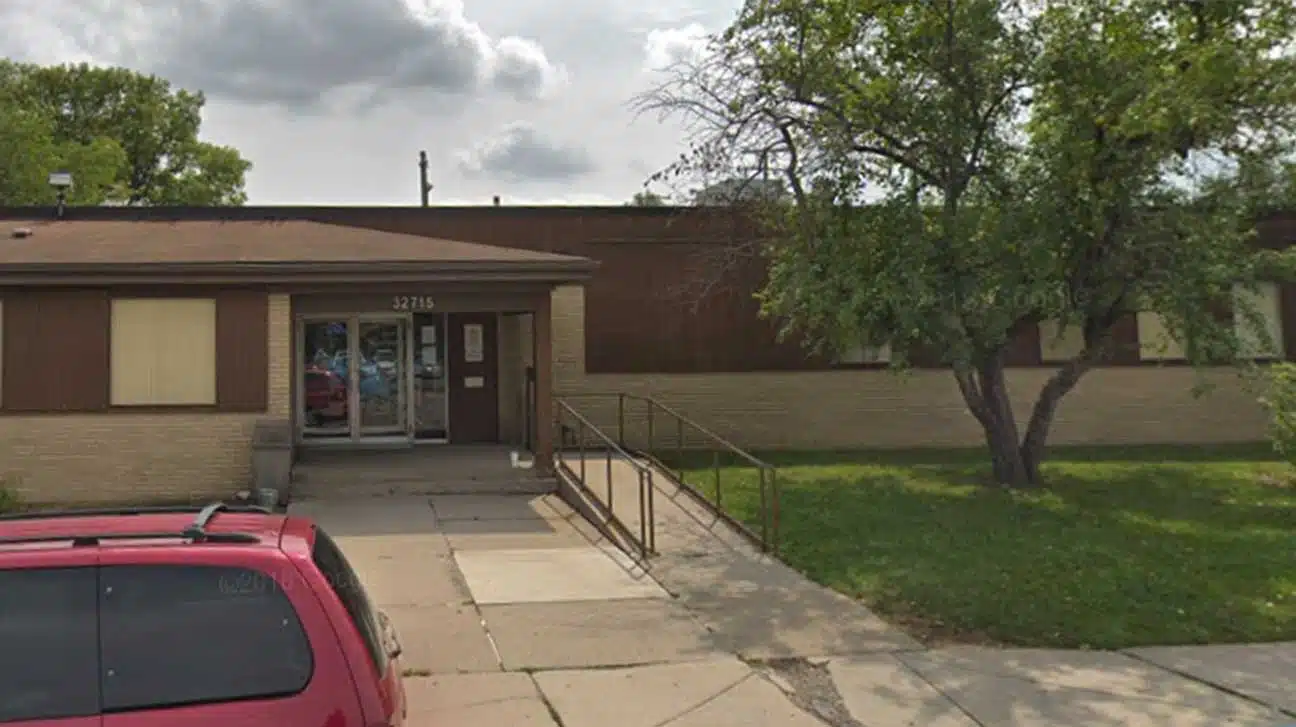
Cognitive Consultants works to help clients use the decisions of their past to inform positive, healthy futures.
This treatment center offers services that address a variety of things related to drug abuse such as mental health issues, criminal behavioral, and domestic violence.
Trusted features:
- state licensure
- evidence-based treatment
Levels of care:
- intensive outpatient program (IOP)
- outpatient program (OP)
Treatment services:
- anger management
- trauma-informed therapy
- relapse prevention
- cognitive behavioral therapy (CBT)
- motivational interviewing (MI)
- family therapy
- group therapy
- individual therapy
- case management
Payment options:
- government funding
- Medicare
- Medicaid
- TRICARE
- private health insurance
- self-pay
Location and contact information:
6639 Centurion Dr.
Ste. 130
Lansing, MI 48917
(517) 322-3050
2. Holden House, Lansing, Michigan
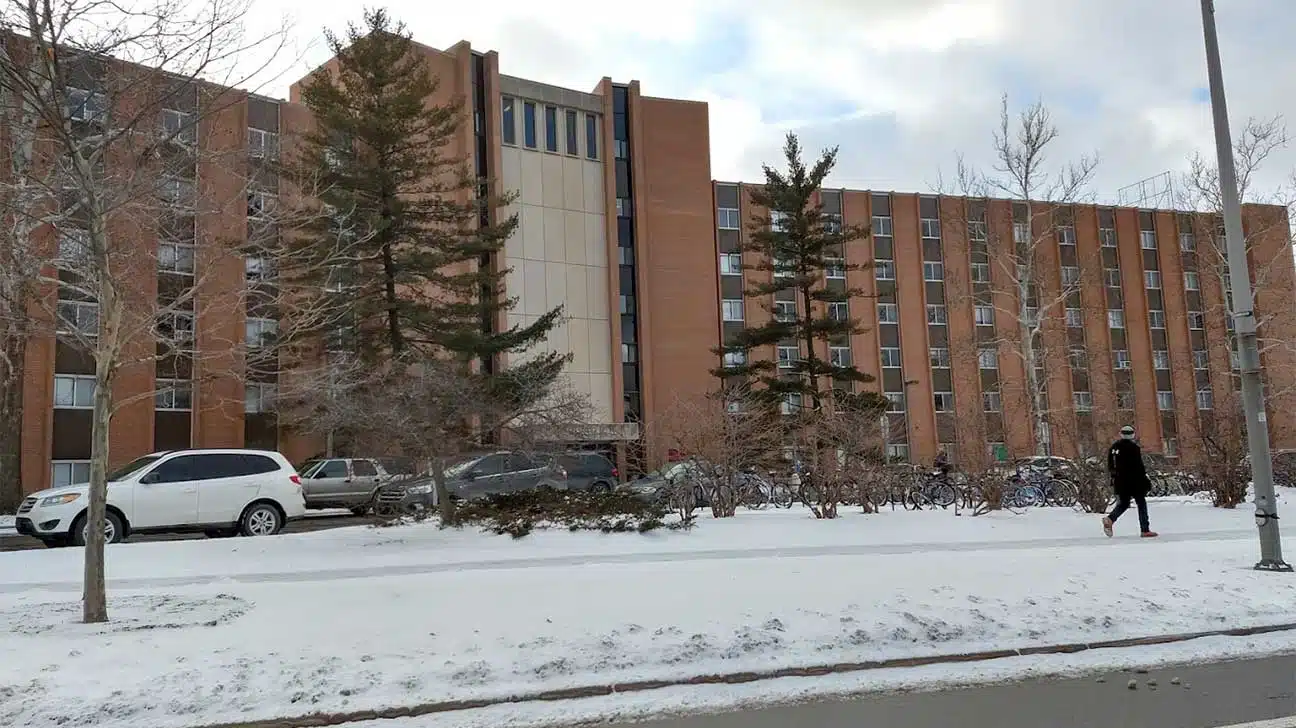
At Holden House, practitioners work to create a safe environment by modeling healthy lifestyles, as many clinicians are in recovery themselves.
They provide a person-centered treatment focus committed to individual paths to recovery. Some of the clinicians are even past clients.
Trusted features:
- Commission on Accreditation of Rehabilitation Facilities (CARF) accreditation
- state licensure
- non-profit status
Levels of care:
- residential treatment
- intensive outpatient program (IOP)
- outpatient program (OP)
Treatment services:
- diagnostic assessments
- court-ordered substance use treatment
- group therapy
- individual therapy
- peer recovery support
- 12-step recovery groups
- anger management
- life skills education
- employment services
Payment options:
- government funding
- Medicaid
- self-pay
- state health insurance
Location and contact information:
913 W. Holmes Rd.
Ste. 200
Lansing, MI 48910
(517) 887-0226
3. Prevention and Training Services, Lansing, Michigan
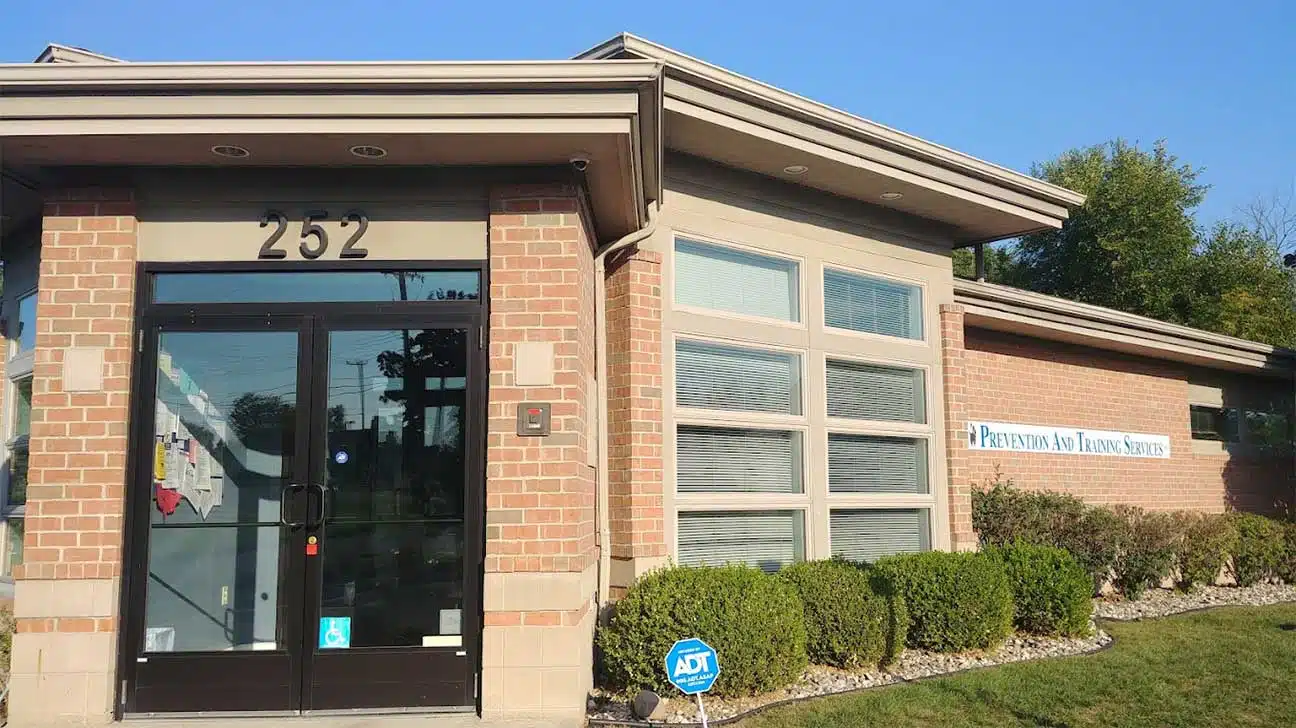
This facility provides behavioral health services to residents of Eaton, Clinton, Shiawassee, and Ingham counties and other areas of Michigan.
This treatment center also provides domestic abuse intervention services, an economic crime program, an assaultive behavioral program, and addiction education.
Trusted features:
- state licensure
- evidence-based treatment
Levels of care:
- intensive outpatient program (IOP)
- outpatient program (OP)
- aftercare
Treatment services:
- individual therapy
- group therapy
- drug testing
- dual diagnosis treatment
- women’s addiction treatment
- 12-step recovery groups
Payment options:
- government funding
- self-pay
Location and contact information:
252 S. Waverly Rd.
Lansing, MI 48917
(517) 323-8149
4. Recovery Center, Lansing, Michigan
This drug rehab facility works to provide person-centered, trauma-informed, culturally-competent treatment programs.
Operating under the auspices of the Community Mental Health Authority of Clinton, Eaton, and Ingham Counties, this detox center creates a safe space for clients to go through the withdrawal process.
Trusted features:
- Commission on Accreditation of Rehabilitation Facilities (CARF) accreditation
- state licensure
Levels of care:
- inpatient detox
Treatment services:
- relapse prevention
- motivational interviewing (MI)
- cognitive behavioral therapy (CBT)
- individual therapy
- group therapy
- peer recovery support
Payment options:
- government funding
- Michigan Medicaid
- self-pay
Location and contact information:
812 East Jolly Rd.
Ste. 109
Lansing, MI 48910
(517) 267-7623
Find Addiction Treatment Today
If you or a loved one are facing a substance use disorder, you can find treatment today. Call AddictionResource.net to learn more about your treatment options.
Find addiction treatment near Lansing, MI:
Updated on July 3, 2023
Addiction Resource aims to provide only the most current, accurate information in regards to addiction and addiction treatment, which means we only reference the most credible sources available.
These include peer-reviewed journals, government entities and academic institutions, and leaders in addiction healthcare and advocacy. Learn more about how we safeguard our content by viewing our editorial policy.
- Journal of Psychosocial Nursing — Partial Hospitalization: Compatible with Evidence-Based and Recovery-Oriented Treatment?
https://search.proquest.com/openview/1cc789a3d122ca0d4f7a751b1ebe3abb/1?pq-origsite=gscholar - Substance Abuse and Mental Health Services Administration (SAMHSA) — Behavioral Health Barometer Michigan, 2015
https://www.samhsa.gov/data/sites/default/files/2015_Michigan_BHBarometer.pdf.