

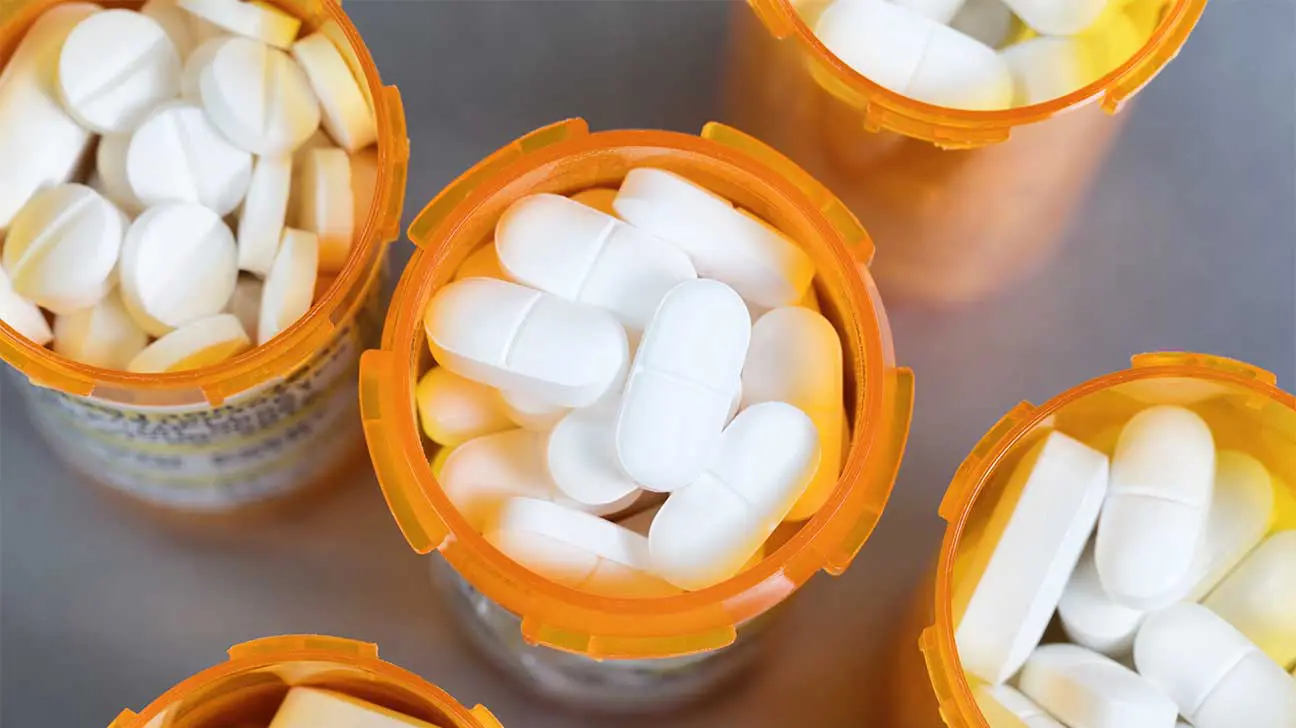
Benzos, or benzodiazepines, are a class of drugs that are often prescribed for seizures, anxiety and mood disorders, and similar conditions.
Most people who abuse these drugs choose the high-potency, short-acting drugs like Xanax because of the rapid, intense buzz that results.
The stronger benzodiazepines are also more addictive than low-potency drugs, but any of them could lead to addiction when abused.
For people prone to addiction or those who know they have addictive tendencies, understanding the available strengths and capabilities of benzodiazepines is important, even before taking them as prescribed.
How Benzodiazepine Strength Is Determined
Like all classes of prescription medications, benzodiazepine drugs are designed for various levels of efficacy and potency.
The half-life of these drugs are based on their intended use and can be determined by calculating how long the drug takes to start working.
The potency, or efficacy, of the drug, is what refers to the strength. For example, Ativan is one of the most potent drugs on the market, offering a maximum half-life of 24 hours with only about 30 minutes required before beginning to feel the effects.
The more potent a benzodiazepine, the quicker it will kick in and the more it will produce the sedative-like and calming effects that these drugs are known for. How long these drugs will last before you need another dose is referred to as the half-life of the drug.
For example, in the case of Klonopin, the max half-life is among the longest: up to 50 hours. This can mean that it takes longer to take effect, but that also means that it can take longer to recover from abusing than short-acting or lower-strength benzodiazepines.
For dosing purposes, this class of drugs is manufactured with multiple dosing options for each medication. That way, no one has to take any more of this medication than what is absolutely necessary.
Unfortunately, some people adjust to their dose over time or begin to see diminished effects, known as tolerance. Developing a tolerance to benzos may cause them to increase their own dosage or even just take one extra dose, but that can be just the start of trouble for some people.
List Of Benzodiazepines From Strongest To Weakest
Benzodiazepines are all created with different levels of potency and efficacy. Their half-life, or how long they last, will vary based on how they are made and their intended uses.
Keep in mind, of course, that even the lowest-strength benzodiazepine medications can still be highly addictive.
Although most individuals who use benzos to get high prefer the stronger, shorter-acting drugs, all of them are rated as Schedule IV controlled substances and should be considered dangerous outside of a carefully monitored prescription use.
Here is a list of benzodiazepines in order from strongest to weakest.
Strongest Benzodiazepines:
High-potency, Long-acting Benzodiazepines:
- Klonopin (clonazepam)
High-potency, Short-acting Benzodiazepines:
Medium-strength, Medium-acting Benzodiazepines:
- Onfi (clobazam)
Weakest Benzodiazepines:
Low-Potency, Short-acting Benzodiazepines:
- Serax (oxazepam)
- Restoril (temazepam)
Low-Potency, Long-acting Benzodiazepines:
- Librium (chlordiazepoxide)
- Tranxene (clorazepate)
- Valium (diazepam)
- Dalmane/Dalmadorm (flurazepam)
Dangers Of Benzodiazepine Abuse
The list of benzodiazepines from strongest to weakest only provides you with a point of reference to understand what these drugs are capable of.
There are perhaps as many potential dangers to overusing or abusing Valium, a lower-potency drug, as there are with Halcion. It just depends on the individual circumstances.
Some of the dangers of benzodiazepine abuse include:
- overdose
- increased risk of dementia
- severe or worsening symptoms as a result of withdrawal
- withdrawal side effects like anxiousness, difficulty breathing, shaking, weakness, and confusion
- emergency room visits
- penalties (including jail time) for obtaining prescriptions illegally or abusing your own prescriptions
And, of course, perhaps the biggest danger of abusing benzodiazepine drugs is death due to overdose, side effects, or even extreme withdrawal.
In recent studies, more than 30 percent of the overdoses that involved opioids also involved benzodiazepines. The two together create a very lethal situation.
How To Get Help For Benzodiazepine Abuse
If you or someone you know is struggling with benzodiazepine abuse, there are resources out there that can help.
Drug and alcohol treatment centers handle benzodiazepine addictions all the time, and can even work with patients who actually need some type of related medication for a seizure or mood disorder for an alternative treatment.
Choosing a rehab facility that provides dual diagnosis mental health services may provide the best outcome. The growing focus on prescription drug abuse makes it easy to find resources.
To learn more about benzodiazepine abuse treatment, or to find treatment options, give us a call today.
Addiction Resource aims to provide only the most current, accurate information in regards to addiction and addiction treatment, which means we only reference the most credible sources available.
These include peer-reviewed journals, government entities and academic institutions, and leaders in addiction healthcare and advocacy. Learn more about how we safeguard our content by viewing our editorial policy.
- National Institute on Drug Abuse — Benzodiazepines and Opioids
https://www.drugabuse.gov/drugs-abuse/opioids/benzodiazepines-opioids