

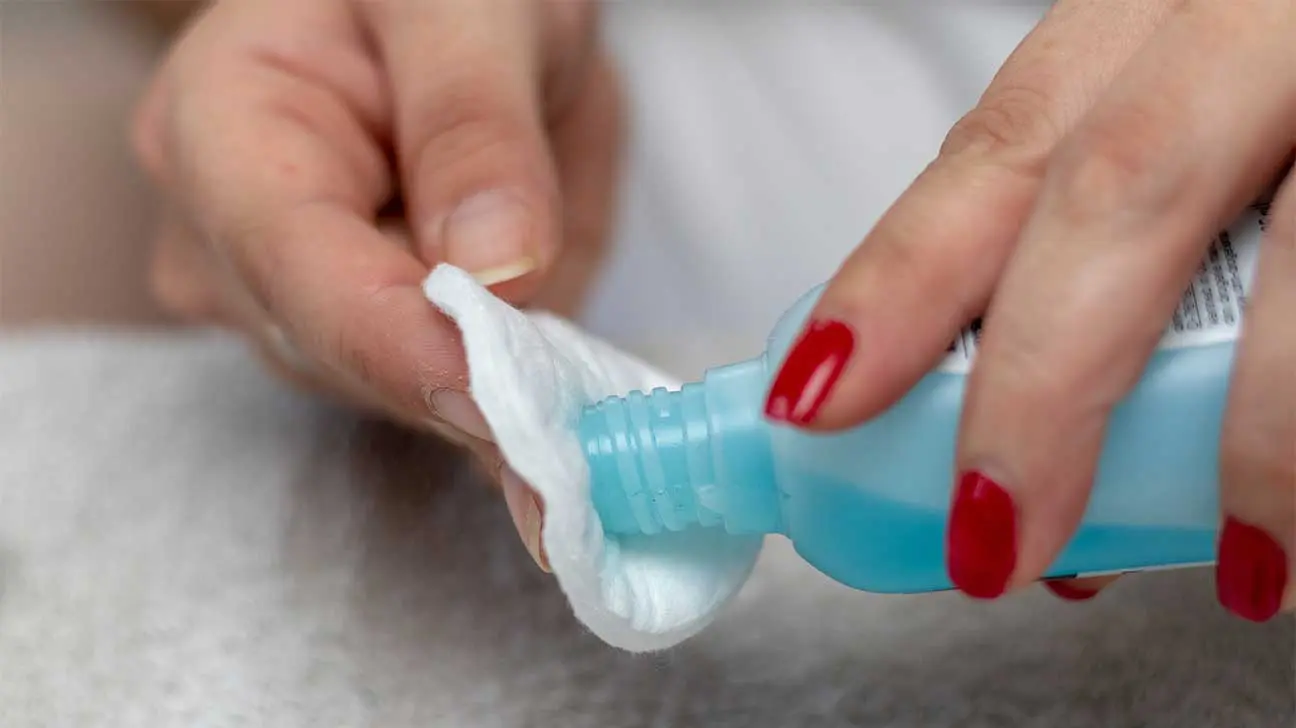
One of the newest substance abuse trends among young people in America is the consumption of nail polish remover for its alcoholic content.
This is extremely dangerous because the liquid is not made for consumption and contains harmful chemicals that can damage the body.
It is crucial that any parents who suspect their children might have an alcohol abuse problem read the following information about the dangers of drinking nail polish remover.
Reasons People Drink Nail Polish Remover
Some types of nail polish remover contain alcohol. Young people who are not yet old enough to buy alcoholic beverages purchase the product as a substitute because it causes them to feel intoxicated.
Besides drinking it, some may apply it directly to their skin or intentionally inhale its vapors in an act called “huffing” because these methods can both cause someone to become intoxicated.
The cheap price of nail polish remover seems to be a factor for those who drink it since young people often have a limited amount of cash.
Lastly, many young people drink nail polish remover because it is a common household product. They believe that no one will find out what they are doing if they have it in their possession.
Why Is It Dangerous To Drink Nail Polish Remover?
The dangers of drinking nail polish remover are due to the acetone the product contains. Acetone is a ketone that the body makes when it breaks down fat for energy.
Small amounts of it pose no problem because they can be flushed out of the system quickly by the liver. However, if someone drinks a large amount of it so they can feel intoxicated, a condition called ketoacidosis can occur.
This is especially dangerous for those who have either type-one or type-two diabetes because it will cause their blood sugar level to become so high that they can go into a coma. The ingestion of a high amount of acetone can also lead to a person’s death because they could be poisoned by it.
Symptoms Of Acetone Poisoning
Young people are often very good at hiding their substance abuse issues by drinking or getting high only when they are left unsupervised.
As their addiction worsens, they will begin to take more risks because their body will start to crave a higher amount of the substance as they develop a tolerance to it.
Unfortunately, this can lead to acetone poisoning, a condition that requires emergency treatment at a hospital. The liquid is absorbed into the body very quickly, though.
The standard treatment that is given to young people who have acetone poisoning, which is pumping their stomach, will only work if it is done within an hour after they consume it.
It is best not to induce vomiting because the corrosive nature of the liquid could cause damage to the delicate lining of the esophagus.
Parents can tell if their son or daughter may have been poisoned by acetone by checking them for the following symptoms:
- low blood pressure
- lethargy
- sweet, fruity odor coming from the mouth
- severe headache
- slurred speech
- lack of physical coordination
- unconsciousness
- decreased respiration
- coma
Other Dangers Of Drinking Nail Polish Remover
The long-term use of nail polish remover can cause other health problems besides the dangers of acetone poisoning. The liver and kidneys can shut down, which means that a person who is addicted to the substance will probably need an organ transplant to survive.
There is also a possibility of nerve damage, brain damage, and internal bleeding from the damage to the stomach and esophagus that nail polish remover causes.
Young women who consume nail polish remover while they are pregnant have an increased risk of causing their baby to be born with birth defects.
It is also important to mention that there are several other chemicals in nail polish remover besides acetone that can cause cancer in someone who regularly ingests them.
How To Find Help For Alcohol Abuse
Parents should be aware that those who drink nail polish remover may also be consuming regular alcoholic beverages or other substances that contain alcohol, such as cough syrup, due to their addiction to alcohol.
It is very important that anyone drinking nail polish remover get evaluated immediately by an addiction diagnostician who can help determine the severity of their problem and what the best treatment for their addiction might be.
Those who need more information on nail polish remover abuse, the dangers of acetone poisoning, or how to find drug and alcohol rehab centers for young people should be sure to contact one of our specialists today.
Addiction Resource aims to provide only the most current, accurate information in regards to addiction and addiction treatment, which means we only reference the most credible sources available.
These include peer-reviewed journals, government entities and academic institutions, and leaders in addiction healthcare and advocacy. Learn more about how we safeguard our content by viewing our editorial policy.
- US National Library of Medicine: MedlinePlus — Acetone Poisoning
https://medlineplus.gov/ency/article/002480.htm