

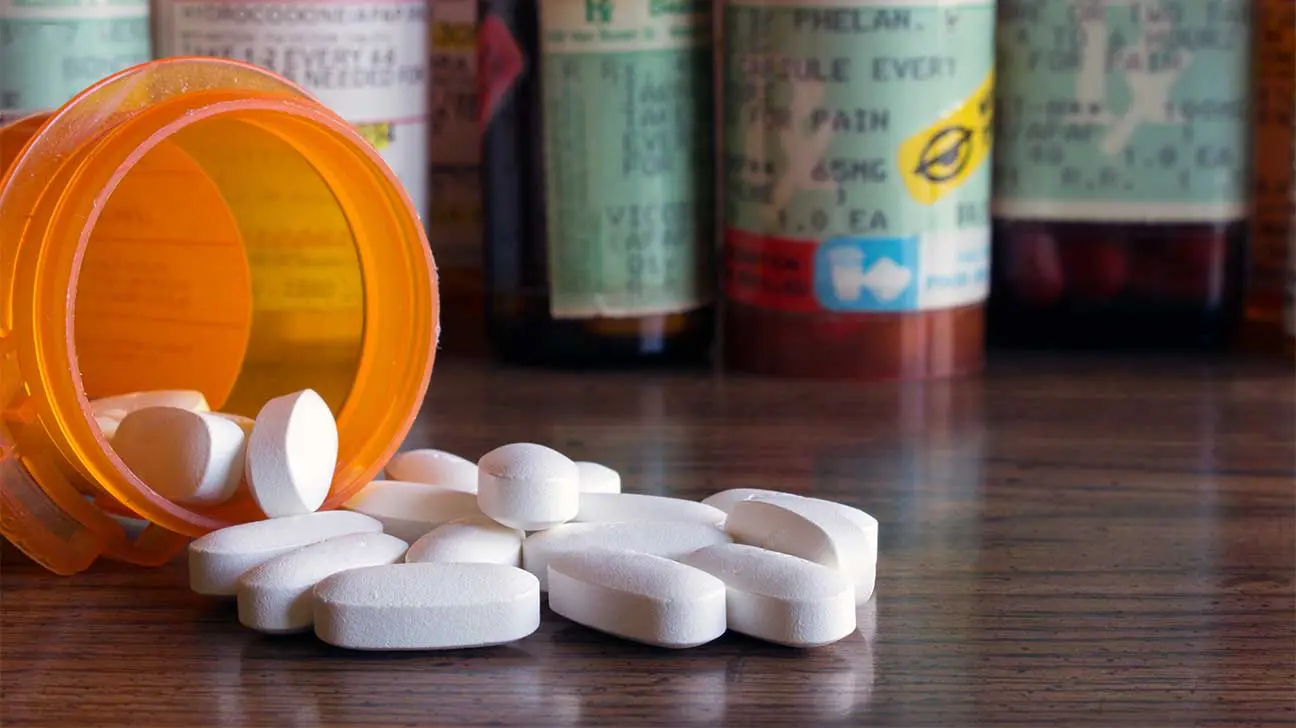
Opioids are narcotics that suppress the central nervous system. Legal opioids are prescribed for controlling pain in patients who have chronic diseases, like cancer.
Unfortunately, there are many illegal opioids sold on the streets by drug dealers. Some opioids are so potent that they can affect anyone who accidentally touches or inhales them.
Carfentanil
The strongest opiate is carfentanil. This potent opioid was invented decades ago for use as a tranquilizer for large animals.
It is roughly 10,000 times stronger than morphine and is considered to be the strongest opioid available to veterinarians and wildlife specialists.
By no means has carfentanil ever been intended as a medication that could have any human benefit.
Its potency far exceeds that which is necessary for pain control in a person. Unfortunately, drug dealers may lace some opioids that they sell with carfentanil.
What Is The Strongest Prescription Opiate?
Fentanyl is a prescription-based opioid medication that is similar to carfentanil. It is prescribed to those who need it for severe pain from a serious injury or disease.
Fentanyl is considered to be the strongest prescription opiate available because it is about 50 to 100 times stronger than morphine.
What Is The Strongest Illicit (Illegal) Opiate?
The strongest illicit opiate is heroin. While potent on its own, drug dealers often lace it with other types of opioids to increase its potency, such as carfentanil and fentanyl.
Using heroin on a long-term basis can result in a person developing a tolerance to it. This tolerance often leads to them either using increasing amounts of the substance or combine it with other central nervous system depressants.
Can Strong Opioids Cause An Immediate Overdose?
High doses of carfentanil and fentanyl can cause a person to die from an overdose within minutes.
Since carfentanil is only available for use in large animals, fentanyl is used as a substitute by certain prisons which combine it with other medications to give to inmates who have been sentenced to death.
Those who accidentally take too much fentanyl or the strongest illicit opiate that is available can suffer from an overdose, too.
Police officers, emergency medical technicians, and other people who learn about the strongest opiate and how to work with it are instructed to use safety glasses, two sets of gloves, and air-purifying respirators.
Some of the signs of an opioid overdose to look for include confusion, drowsiness, blue lips, and cold skin.
Get Help Finding Treatment For Opioid Abuse
Opiates are highly addictive substances, which affect the reward center of the brain. They can also lead to an emotional dependence because many people who begin taking them have some type of depression or anxiety.
Central nervous system depressants can easily cause a deadly overdose. It is crucial for anyone struggling with opioid abuse to contact us as soon as possible. Our treatment specialists will provide information on how the best opioid abuse and detox programs.
Addiction Resource aims to provide only the most current, accurate information in regards to addiction and addiction treatment, which means we only reference the most credible sources available.
These include peer-reviewed journals, government entities and academic institutions, and leaders in addiction healthcare and advocacy. Learn more about how we safeguard our content by viewing our editorial policy.
- National Institutes on Health — Carfentanil
https://pubchem.ncbi.nlm.nih.gov/compound/Carfentanil - U.S. National Library of Medicine: MedlinePlus — Opioid Misuse and Addiction
https://medlineplus.gov/opioidmisuseandaddiction.html - Canadian Centre for Occupational Health and Safety — Fentanyl
https://www.ccohs.ca/oshanswers/hsprograms/fentanyl.html