

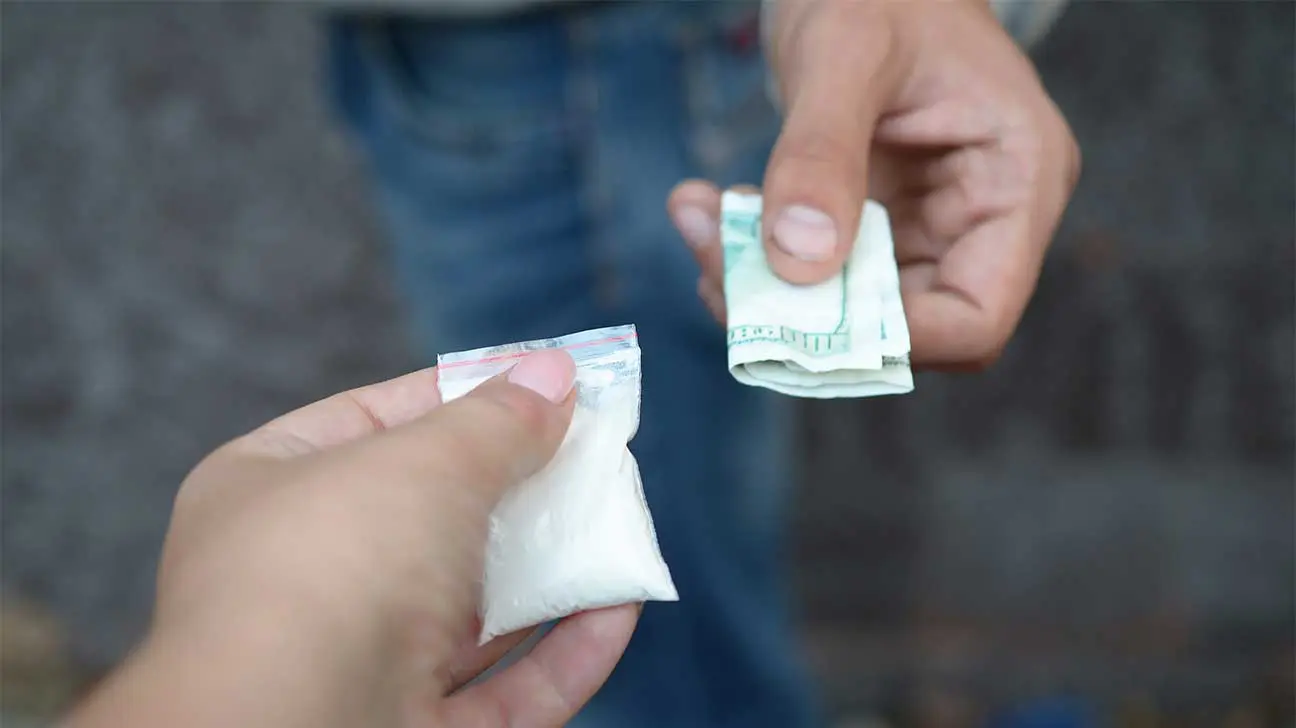
Cocaine can come in the form of a white powder or rock crystal. It is most often snorted, injected, smoked, or rubbed onto the gums.
On average, powdered cocaine will cost between $93 to $163 per gram of powder cocaine. A single gram yields between 10 to 20 uses.
Substance abuse and addiction can become costly over time. Cocaine abuse can become expensive in part because most people who use cocaine use a lot of it within a short window of time.
The average cost of illicit street drugs such as cocaine will vary based on where the drug is sold, availability, local laws, and more.
Cost Of Powdered Cocaine On The Street
Typically, people will pay between $93 to $163 per gram of powder cocaine. A typical “line” of cocaine is about 50 milligrams.
Though a single gram of cocaine can produce 10 to 20 lines, how long this lasts someone depends on how much cocaine they use and how often.
Due to the short but powerful high cocaine produces, people can end up using a lot of the drug very quickly.
How Much Does Crack Cocaine Cost On The Street?
Crack cocaine, or crack, refers to the solid form of cocaine. It is usually smoked in a glass crack pipe or dissolved into a liquid and injected intravenously.
The average cost of crack cocaine is about $60 to $100 per gram. Some dealers may add the synthetic opioid fentanyl to crack cocaine to increase profit margins.
Compared to powdered forms of cocaine, crack cocaine is far less expensive to buy in the United States.
What Factors Can Influence The Cost Of Cocaine?
Not all batches of cocaine cost the same. Over time, the cost of cocaine has changed in accordance with demand, as well as factors related to manufacturing and distribution.
Factors that can affect cocaine prices include:
- drug purity
- location
- drug source
- supply and demand
Drug Purity
The average gram purity of cocaine can affect the average retail cost. Batches that are impure, or mixed with a range of adulterants or diluents, may be cheaper in cost.
Cocaine that has a higher purity will be more potent than coke that has been diluted or mixed with adulterants such as flour, powdered milk, or talcum powder.
Cocaine is also sometimes mixed with other drugs, including MDMA/ecstasy and opioids such as heroin and fentanyl.
Location
The U.S. Drug Enforcement Administration (DEA) reports that an estimated 90 percent of imported cocaine comes from Colombia.
Street prices for cocaine and freebase (crack) cocaine can vary depending on where the drug has come from and where you live in the United States—e.g., on the East Coast in New York, or on the West Coast in states such as Washington or California.
Drug dealers may offer varying rates for cocaine based on their own supply, demand, and purity.
Did Cocaine Costs Go Up During The Coronavirus Pandemic?
According to a report from the United Nations, there are many countries that have reported drug shortages at the street level. This has led to greater stockpiling of drugs.
Cocaine production was complicated by factors related to the pandemic, such as lockdown measures and routes of drug trafficking. For some countries, this has altered the production and distribution of cocaine.
However, there is also evidence to suggest that the cultivation of coca plants may increase post-pandemic.
Find Treatment For Addiction Today
Reach out to AddictionResource.net today for more information about substance use disorder treatment.
For more information about cocaine addiction treatment options and how to find an addiction treatment facility that will address your needs, contact our team today.
Addiction Resource aims to provide only the most current, accurate information in regards to addiction and addiction treatment, which means we only reference the most credible sources available.
These include peer-reviewed journals, government entities and academic institutions, and leaders in addiction healthcare and advocacy. Learn more about how we safeguard our content by viewing our editorial policy.
- U.S. Drug Enforcement Administration (DEA)—2019 National Drug Threat Assessment
https://www.dea.gov/documents/2020/01/30/2019-national-drug-threat-assessment - Georgetown University: Health Policy Institute—Substance Abuse: Facing the Costs
https://hpi.georgetown.edu/abuse - United Nations Office on Drugs and Crime (UNODC)—World Drug Report 2020
https://wdr.unodc.org/wdr2020/ - United Nations Office on Drugs and Crime (UNODC)—COVID-19 causes some illegal drug prices to surge, as supplies are disrupted worldwide
https://news.un.org/en/story/2020/05/1063512 - United Nations Office on Drugs and Crime (UNODC)—Heroin and cocaine prices in Europe and USA
https://dataunodc.un.org/drugs/heroin_and_cocaine_prices_in_eu_and_usa