

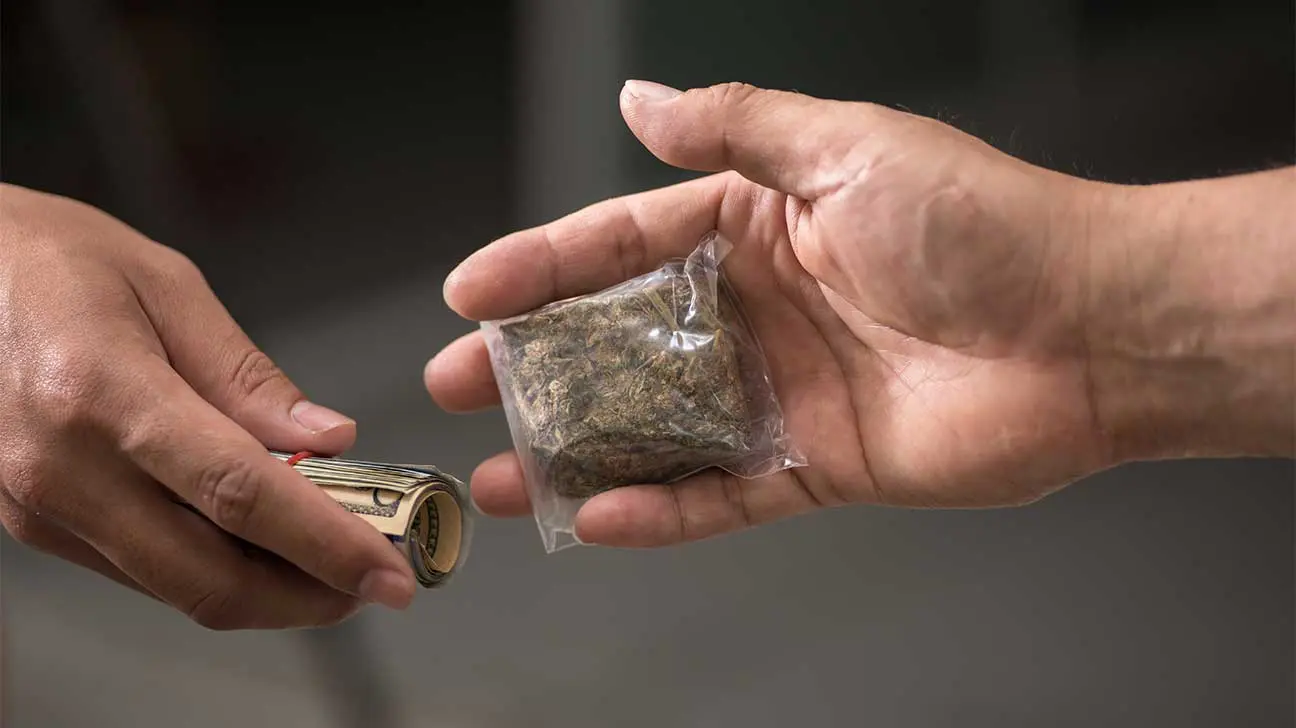
The average cost of marijuana per gram in 2025 varies by location and quality, but generally ranges from $5 to $20. States with legal marijuana, such as Colorado and California, often have lower prices, while states without legal weed will likely see higher prices. Premium cannabis may cost at least $25 per gram.
Even in places where marijuana is illegal, it is still one of the easiest street drugs to gain access to. This is likely why it tends to stay so affordable and a common substance of abuse.
The cost of illicit drugs may be influenced by a variety of factors, including but not limited to the substance’s purity, what types of cutting agents are used, the ease of acquisition, and more.
What Factors Can Affect The Price Of Marijuana?
The price of marijuana is impacted heavily by location. Marijuana grows better in certain environments, a factor that will affect both quality and availability.
Several economic and regulatory factors create significant price variation in cannabis markets. These factors operate differently depending on whether cannabis is sold in legal, regulated markets or illegal ones.
Factors that affect the price of marijuana may include:
- Legal Status and Market Structure: Legal cannabis markets typically have higher retail prices due to taxes, regulations, and compliance costs, with medical and recreational markets having different pricing structures, while markets transitioning from illegal to legal status experience significant price volatility.
- Supply Chain Factors: Production costs vary dramatically between indoor and outdoor cultivation methods, while processing, packaging, distribution, testing, and quality assurance requirements add substantial markup in legal markets.
Taxation: State and local taxes can double or triple the base price of cannabis products, with tax structures varying widely by jurisdiction and often changing as markets mature. - Quality and Product Type: Higher potency products command premium prices, with concentrates and edibles typically costing more per dose than flower, while brand reputation and premium packaging create additional price differentiation.
- Geographic and Market Factors: Regional supply and demand imbalances create substantial price differences between areas, with local licensing restrictions limiting supply and transportation costs affecting distribution pricing.
- Seasonal Patterns: Harvest cycles create predictable supply fluctuations affecting prices, while holiday periods and special events drive temporary demand spikes.
Understanding these pricing factors helps consumers make informed decisions in legal cannabis markets. As markets mature and regulations stabilize, prices typically decrease due to increased competition and operational efficiencies.
How Much Does Marijuana Cost?
Marijuana bought illicitly may be laced or mixed with other substances such as opioids or hallucinogens that can influence the price.
Cost Of Marijuana Sold On The Street VS Cost Of Medical Marijuana
Street cannabis and medical marijuana operate in fundamentally different economic environments, creating significant price differences. Medical marijuana is generally more expensive due to regulatory compliance, testing requirements, and limited supply through licensed dispensaries.
Costs may differ due to:
- Street Cannabis Pricing: Illegal market prices are typically lower due to no taxes, regulations, or compliance costs, but quality and safety are unpredictable with no testing or oversight.
- Medical Marijuana Pricing: Licensed medical cannabis costs more due to state taxes, testing requirements, facility licensing fees, and regulatory compliance, but offers consistent quality, safety testing, and product variety.
- Price Comparison Factors: Medical marijuana patients often receive tax exemptions or discounts that can narrow the price gap, while bulk purchasing options may be available in medical programs but limited in illegal markets.
- Quality and Safety Trade-offs: Higher medical marijuana costs reflect laboratory testing for pesticides, heavy metals, and potency, plus regulated growing conditions that illegal operations typically don’t maintain.
Medical marijuana’s higher upfront costs often provide better value through consistent dosing, safety assurance, and legal protection. As medical programs expand and mature, increased competition typically drives prices closer to illegal market levels while maintaining quality standards.
If marijuana is legal, however, the price of street marijuana will likely go down as it is likely to be “homegrown” and of lesser quality than what one could find in a legal dispensary.
Risks Of Buying Marijuana On The Street
Even in states where marijuana is legal, purchasing it through illegal channels carries risks beyond the legal consequences. Street cannabis is not subject to any testing or quality control, and illicit marijuana is increasingly being found laced with dangerous substances including synthetic cannabinoids and fentanyl. There is no way to know what you are actually consuming when buying from an unregulated source.
In states with legal dispensaries, purchasing through licensed channels is always the safer option, as products are tested for potency, pesticides, and other contaminants before reaching consumers. For anyone who uses marijuana frequently or feels unable to cut back despite wanting to, speaking with a healthcare provider can help start the recovery process.
Addiction Resource aims to provide only the most current, accurate information in regards to addiction and addiction treatment, which means we only reference the most credible sources available.
These include peer-reviewed journals, government entities and academic institutions, and leaders in addiction healthcare and advocacy. Learn more about how we safeguard our content by viewing our editorial policy.
- National Institute on Drug Abuse — Marijuana Research Report
https://nida.nih.gov/research-topics/cannabis-marijuana - United States Drug Enforcement Administration — Marijuana
https://www.dea.gov/factsheets/marijuana