

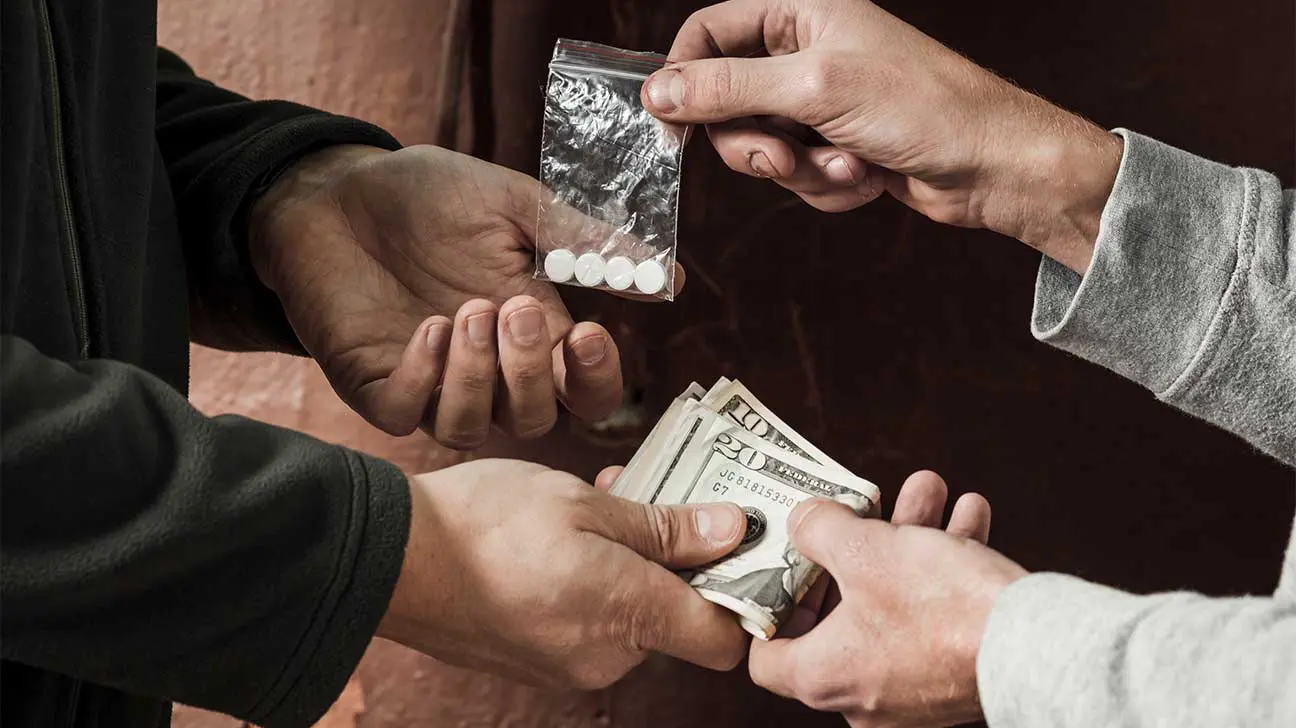
Demerol is a controlled substance because it’s highly addictive and can be abused. In 2025, a single dose of Demerol purchased on the street will generally cost $2.50 to $6, depending on a variety of factors. Demerol can either be taken as a tablet or in syrup form, and the effects last for three to four hours.
Demerol (meperidine) is a prescription pain medicine that’s similar to morphine but works differently in the body. Doctors used to prescribe it more often in the past, but now it’s used less frequently because it can cause serious side effects and interact badly with other medicines. Demerol is slightly less expensive than other street opioids, but like others, it is also highly addictive.
How Much Does A Dose Of Demerol Cost On The Street?
The cost of Demerol can vary depending on what form you buy it in, but it is generally cheaper than other opioids. Someone addicted to Demerol can build up a tolerance fast and require more and more of the drug each time they use it to feel the same effects.
An addiction to Demerol can end up costing tens of thousands of dollars per year and requiring treatment at an opioid addiction treatment center
Demerol also comes in an injectable form, although you are unlikely to see the injectable form on the street.
Factors That Affect The Cost Of Demerol On The Street
The street price of Demerol, a potent prescription opioid, is influenced by several of the variables listed below.
Influencing factors include:
- Availability: Limited availability, for instance, due to stricter prescribing practices or law enforcement actions disrupting supply chains, can drive up street prices. Demerol is less frequently prescribed compared to other opioids, which may impact its availability on the street and potentially influence prices.
- Demand for Demerol: High demand for Demerol, driven by its euphoric effects and addictive potential, contributes to higher street prices. The quick onset and short duration of Demerol’s effects may also lead to increased demand among users.
- Location of Sale: Urban areas may exhibit higher Demerol prices due to increased demand and potential risks associated with drug dealing. Conversely, rural areas might have lower prices due to less demand and reduced risks for sellers.
- Purity and Potency: Higher purity levels and potency can command a premium price on the street.
If Demerol is cut with fillers or other substances, its purity decreases, which could lead to lower prices. - Law Enforcement Activity: Increased law enforcement presence and risks associated with drug distribution can compel sellers to raise prices to compensate for the higher risks. Strict drug enforcement policies in a particular area may disrupt supply chains, leading to inflated prices due to decreased availability.
- Market Forces: The illicit nature of the drug market creates an environment of scarcity, potentially driving up prices. Competition among suppliers can create downward pressure on prices; however, the secrecy surrounding illicit markets makes it difficult to accurately assess the level of competition.
- Time of the Month: Some studies suggest that the timing of social assistance checks can influence street drug prices.
- Co-occurring Conditions and Addiction: Individuals with chronic pain, a history of trauma, or co-occurring mental health disorders might be at increased risk of Demerol addiction and may resort to illicit means to obtain the drug.
The street cost of Demerol depends on various factors that are influenced by both the nature of the drug and the environment in which it is bought and sold.
Cost Of Demerol On The Street Vs. Pharmacy Price
According to the FDA, Demerol’s proper use is as an opioid analgesia for pain management, particularly for use with people who are in remission from drug or alcohol addiction.
This means that you can get Demerol through a pharmacy, provided you have a proper prescription.
The cost of Demerol is even less expensive through a pharmacy than on the street:
- A 50 mg tablet or 50 ml of syrup is less than $1
- A 100 mg tablet is $1-$2
Demerol is a Schedule II substance, which means the legal use of it is controlled by the Drug Enforcement Administration (DEA).
For more information about opioid use disorder treatment, reach out to the Substance Abuse and Mental Health Services Administration (SAMHSA).
Addiction Resource aims to provide only the most current, accurate information in regards to addiction and addiction treatment, which means we only reference the most credible sources available.
These include peer-reviewed journals, government entities and academic institutions, and leaders in addiction healthcare and advocacy. Learn more about how we safeguard our content by viewing our editorial policy.
- U.S. Food and Drug Administration — Demerol
https://www.accessdata.fda.gov/drugsatfda_docs/label/2011/005010s050lbl.pdf - U.S. National Library of Medicine — Meperidine
https://medlineplus.gov/druginfo/meds/a682117.html