

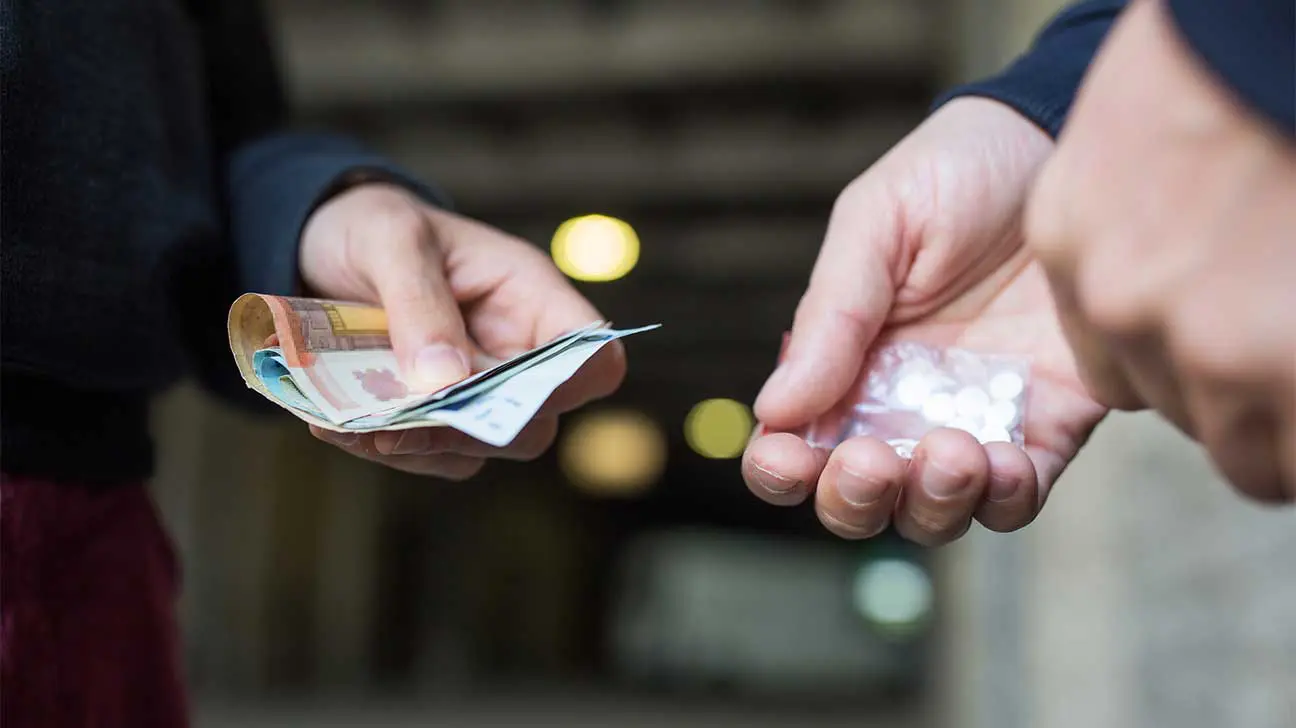
Vyvanse has been sold on the street from $3 all the way up to $30. The price range is likely due to a number of different variables.
Based on available information, a person could reasonably expect to pay $10 for a 50 mg Vyvanse pill on the street.
The average cost of prescription drugs sold on the street is typically based how easy they are to acquire, local law enforcement, location, and a number of other factors.
How Much Does Vyvanse Cost On The Street?
Vyvanse comes in 10 mg, 20 mg, 30 mg, 40 mg, 50 mg, 60 mg, and 70 mg doses. The higher the milligram, the more a drug dealer can charge for the pill.
Factors That Affect Vyvanse Street Cost
Vyvanse is expensive at the pharmacy. Out-of-pocket cost, without insurance, can be upwards of $400 for a 30-day supply, or $13.33 per pill. With insurance, the cost can sometimes drop to $0.
If the cost of the prescription is higher, it could affect the cost of Vyvanse on the street.
Additional factors that affect Vyvanse street cost:
- who is selling and buying Vyvanse
- local laws
- supply and demand
- location of sale
- availability of other stimulants
Find An Addiction Treatment Program Today
Contact our team AddictionResource.net today for more helpful information about how to achieve lasting sobriety.
If you or someone you know is abusing Vyvanse, reach out today to learn about substance abuse treatment options.
Addiction Resource aims to provide only the most current, accurate information in regards to addiction and addiction treatment, which means we only reference the most credible sources available.
These include peer-reviewed journals, government entities and academic institutions, and leaders in addiction healthcare and advocacy. Learn more about how we safeguard our content by viewing our editorial policy.
- RADARS System Programs — StreetRx
https://www.radars.org/radars-system-programs/streetrx.html - National Institutes of Health — Comparative Effectiveness Review Summary Guides for Consumers
https://www.ncbi.nlm.nih.gov/books/NBK99163/table/consadhd.tu3/ - National Institutes of Health — University Students Perceptions about motives for and consequences of non-medical use of prescription drugs (NMUPD)
https://www.ncbi.nlm.nih.gov/pmc/articles/PMC7874525/