

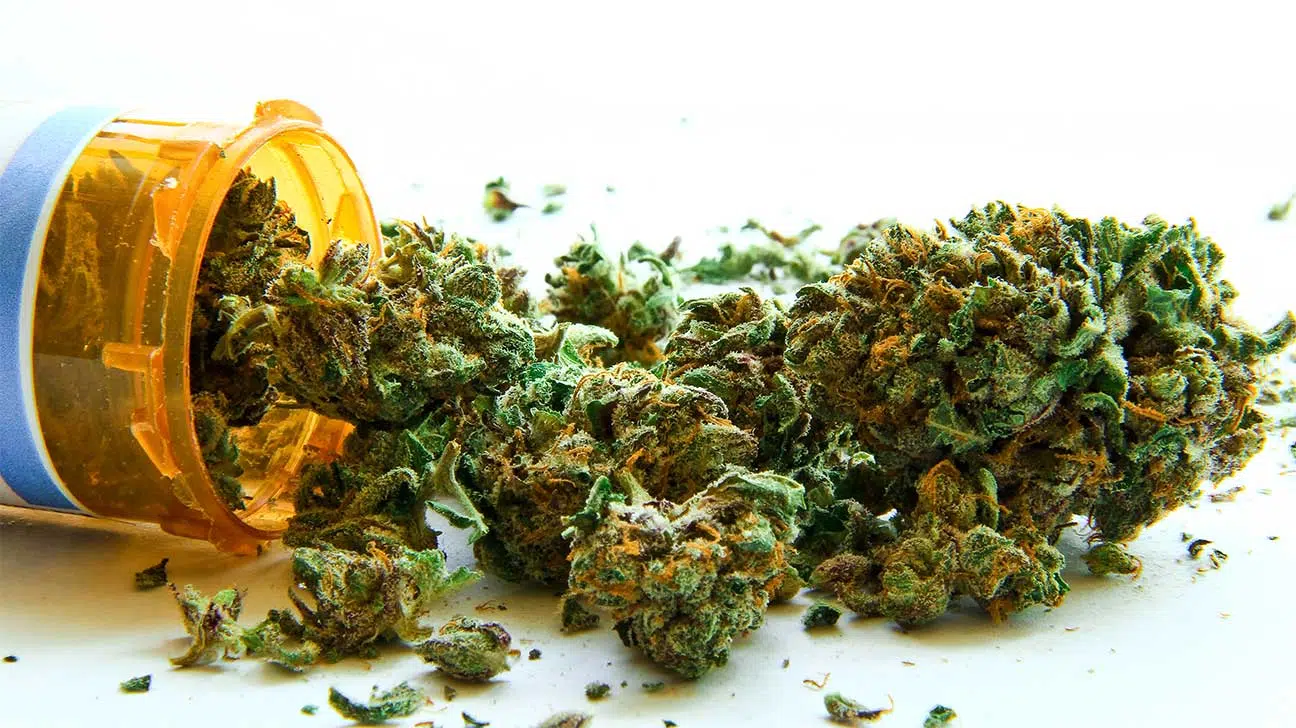
Marijuana is a plant that contains CBD (cannabidiols) and THC (9-tetrahydrocannabinol). These molecules are responsible for the “high” that marijuana produces as well as other effects.
People who smoke cannabis regularly or take it by vaping or other methods are likely to build a tolerance to the drug.
Cannabis consumption is legal in many states, but that does not mean that marijuana use is safe.
People who use marijuana heavily and build a tolerance often suffer mental health effects and impairments in certain functioning.
How Long It Takes To Build A Marijuana Tolerance
Studies have shown that weed tolerance can increase in just two to four weeks when using the drug daily.
The development of a tolerance to the psychoactive effects of marijuana is mostly due to THC tolerance because THC is the molecule that is responsible for most of cannabis’ psychoactive properties.
People who develop a tolerance to marijuana may try to take concentrates such as “dabs” or edibles containing a lot of THC in order to feel the drug’s effects as intensely as they used to.
Factors That Influence Cannabis Tolerance
Everyone’s tolerance for marijuana is different. The same amount of weed will not give the same effects to two different people.
Factors that influence cannabis tolerance include:
- Cannabinoid receptors: CB1 receptors are located throughout the body and are responsible for processing cannabis. Everyone’s cannabinoid system is different, leading to different tolerances.
- Frequency of use: The more someone uses marijuana, the more their tolerance to the drug will increase.
- Age, weight, body chemistry: Different people have different natural tolerances to cannabis. In general, heavier people will have a higher tolerance and elderly people will have a lower tolerance.
Is A Marijuana Tolerance Reversible?
Many people who develop a cannabis tolerance find that they cannot get the same effect by smoking weed as they used to.
This is why tolerance breaks or “t-breaks” are common among cannabis smokers. Tolerance breaks are when someone stops using weed for a short period, so their tolerance begins to increase again.
Marijuana tolerance is reversible; although, after heavy use, tolerance may never increase to the same level as when the person used the drug for the first time.
How Marijuana Tolerance Can Affect Withdrawal Symptoms
Repetitive drug or alcohol use conditions the brain and body to adjust their operations to account for the effects of mind-altering substances. This adjustment is responsible for drug tolerance.
Using more cannabis or a product with a higher THC content to combat tolerance encourages the body and brain to adjust further.
This is why heavy cannabis users can actually experience relatively severe withdrawal symptoms despite the fact that marijuana does not lead to chemical dependence in the same way that other drugs do.
Marijuana withdrawal symptoms may include:
- decreased appetite
- mood changes
- sleeplessness
- headaches
- cravings for marijuana
- stomach issues
Treatment Programs For Marijuana Abuse
Even though cannabis is not as lethal as some other drugs, abusing it can lead to major issues including long-term physical and mental health side effects.
Treatment programs for marijuana abuse aim to address the underlying causes of drug use and help a person learn how to live free of cannabis use.
Find An Addiction Treatment Center Today
If you or a loved one is struggling with marijuana abuse, you should act now before things get worse.
Contact us to learn about treatment centers that offer inpatient and outpatient programs for marijuana use.
Addiction Resource aims to provide only the most current, accurate information in regards to addiction and addiction treatment, which means we only reference the most credible sources available.
These include peer-reviewed journals, government entities and academic institutions, and leaders in addiction healthcare and advocacy. Learn more about how we safeguard our content by viewing our editorial policy.
- National Institute on Drug Abuse –– Cannabis (Marijuana)
https://nida.nih.gov/drug-topics/cannabis-marijuana - National Institute on Drug Abuse –– Marijuana DrugFacts
https://teens.drugabuse.gov/drug-facts/marijuana - National Library of Medicine –– Aspects of tolerance to and dependence on cannabis
https://pubmed.ncbi.nlm.nih.gov/828472/