

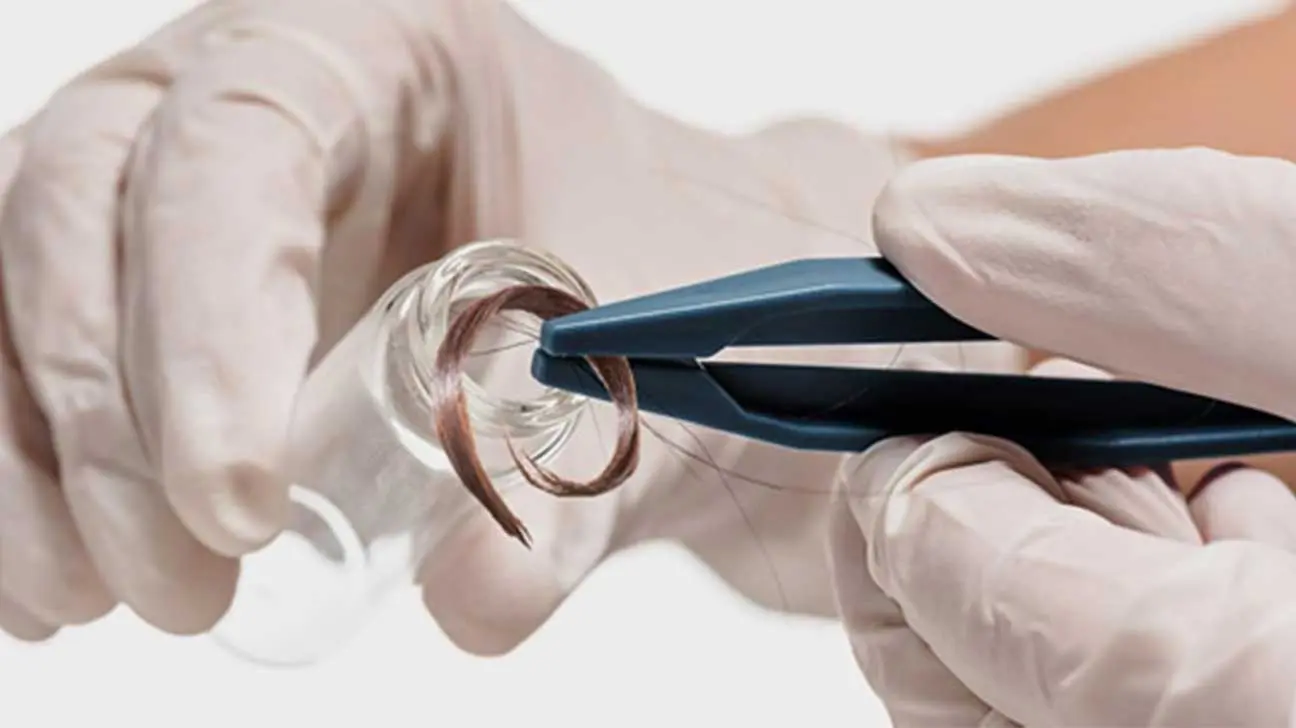
Standard drug test panels will not be able to detect gabapentin in hair follicles. To test positive for gabapentin, a specialized drug screening will need to be used to detect the presence of this drug in an individual’s system.
Detecting Gabapentin Through Hair Tests
Gabapentin is a prescription medication that can remain detectable in hair for up to 90 days after your last dose. This is similar to other prescription and illicit drugs.
What Factors Can Affect How Long Gabapentin Stays In Hair?
Gabapentin is an anticonvulsant and non-opioid pain reliever that may stay in hair for up to 90 days after last use.
Factors that can affect the detection time of gabapentin in hair:
- Hair color: Dark hair tends to contain traces of drugs for longer, with the exception of alcohol.
- Dosage: Taking a high dose of gabapentin may affect the drug detection time.
- Age: Metabolism slows with older age. This may cause it to remain detectable in the body for longer.
- Kidney function: Impaired renal (kidney) function can cause gabapentin to stay in the body for a longer amount of time than average.
- Polydrug use: Taking other prescription drugs or illicit substances may affect how long it takes for the body to metabolize and eliminate gabapentin from your system.
Dying your hair, cutting it, or styling it with hair products will not affect how long gabapentin remains detectable.
Hair drug tests may analyze hair that’s taken from the head or another area of the body.
Why Would Someone Have Their Hair Tested For Gabapentin?
Testing for gabapentin use is uncommon. It is not known to have a high potential for abuse or addiction. Gabapentin is most commonly misused by people with a history of drug abuse.
Drug testing, in general, may be ordered by a healthcare provider, employer, legal entity, or sports organization.
Drug testing can be ordered randomly or as a routine measure to monitor drug use.
Finding Treatment For Gabapentin Abuse And Addiction
Gabapentin is increasingly being misused by people who have a history of opioid abuse and illicit substance use. This can be dangerous.
If you or someone you know is misusing gabapentin, call our helpline today to find substance abuse treatment options for gabapentin near you.
Addiction Resource aims to provide only the most current, accurate information in regards to addiction and addiction treatment, which means we only reference the most credible sources available.
These include peer-reviewed journals, government entities and academic institutions, and leaders in addiction healthcare and advocacy. Learn more about how we safeguard our content by viewing our editorial policy.
- JAMA Network—Gabapentinoid Use in the United States 2002 Through 2015
https://jamanetwork.com/journals/jamainternalmedicine/fullarticle/2666788 - Quest Diagnostics—Hair Drug Testing FAQ
https://www.questdiagnostics.com/home/companies/employer/drug-screening/products-services/hair-testing/hair-testing-faqs - Substance Abuse and Mental Health Services Administration (SAMHSA)—Drug Testing
https://www.samhsa.gov/workplace/resources/drug-testing - U.S. Food and Drug Administration (FDA)—Neurontin Label
https://www.accessdata.fda.gov/drugsatfda_docs/label/2010/020235s043lbl.pdf - U.S. National Library of Medicine: MedlinePlus—Gabapentin
https://medlineplus.gov/druginfo/meds/a694007.html