

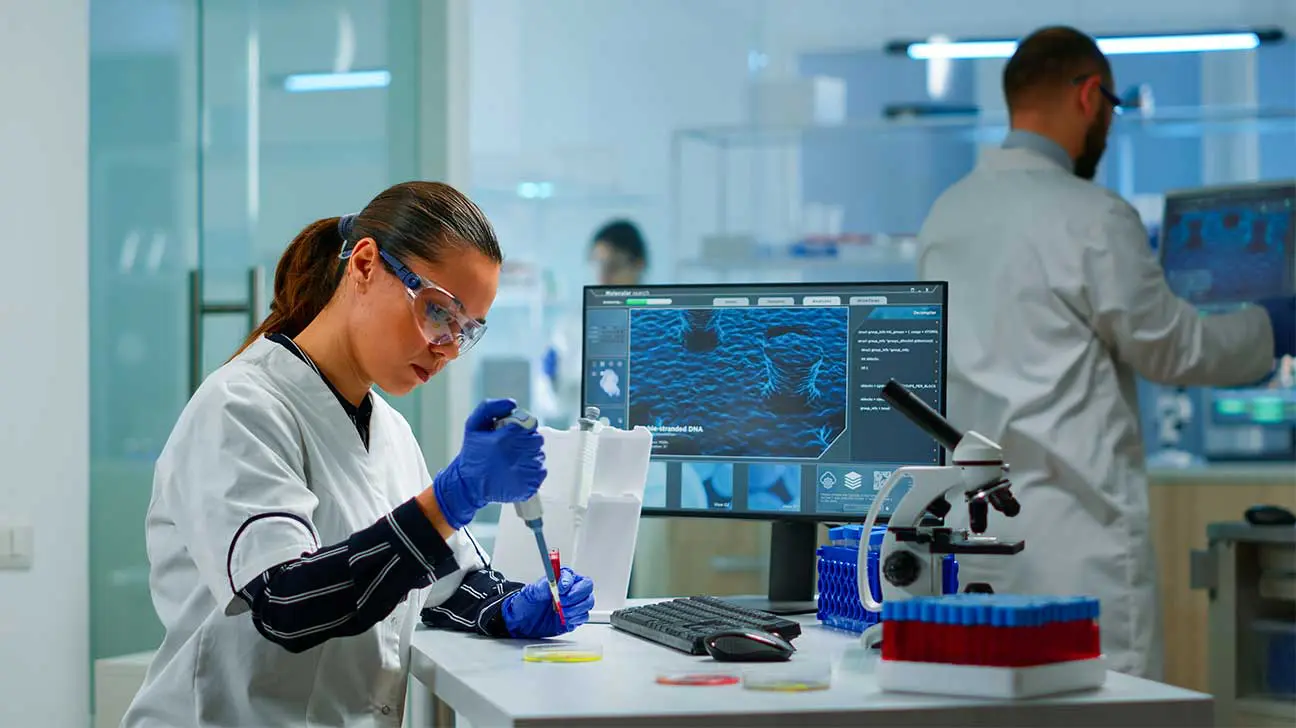
Opioids are a class of central nervous system depressants commonly used to relieve moderate to severe pain. They can be detected in a person’s system through a drug test.
Drug tests that can detect opioid use include:
- urine tests
- saliva tests
- blood tests
- hair tests
Opioids can remain detectable in urine for two to four days, or in hair for up to 90 days. This timeframe will depend on the type of opioid used, amount taken, and other personal factors.
Learn more about common drug detection times
Opioids That May Show Up On A Drug Test
Opioids, also known as opiates, are a class of narcotics generally prescribed for treating moderate to severe pain following surgery, surgery, or for chronic illness.
Common opioids include:
- oxycodone (OxyContin, Percocet)
- hydrocodone (Vicodin, Norco)
- hydromorphone (Dilaudid)
- oxymorphone (Opana)
- tramadol
- methadone
- codeine
- morphine
- fentanyl
Heroin, an illicit drug, is also an opioid. Heroin is about twice as potent as morphine and has no acceptable medical use in the United States.
Opioid Detection Times
The detection time for an opioid is the amount of time it can be detected by a drug test. Drug detection times can vary depending on the type of screening method used.
Opioid use can be detected through various drug screening methods:
- urine tests: two to four days
- blood tests: up to 24 hours
- saliva tests: up to 48 hours
- hair tests: up to 90 days
One exception to these average timeframes is methadone. Methadone, a fully synthetic opioid, can stay in the body for longer than most other opioids.
How Long Do Opioids Stay In Urine?
Urine screens can detect opioids for two to four days after last use.
How Long Do Opioids Stay In Saliva?
Opioid use may be detected in a saliva sample for up to 48 hours after someone’s last dose. Saliva tests are less invasive than urine screens, but have a shorter detection window.
How Long Do Opioids Stay In The Blood?
Opioids will stay in the blood for the shortest amount of time. Generally, opioids will not be detectable in the blood for more than 24 hours, or one day, after last use.
How Long Do Opioids Stay In Hair?
Hair tests have the longest detection window of all drug tests. Hair tests can detect opioids and most other drugs for up to 90 days, or three months, after last use.
Factors That Can Affect Opioid Detection Times
Average time-frames for drug detection may not apply to everyone. The actual amount of time opioids stay in your system can depend on a range of factors.
Factors that can affect how long opioids stay in your system:
- age
- dose taken
- type of opioid (i.e. short-acting vs. long-acting)
- use of other drugs
- frequency of use
- drug dependence
- metabolic rate
- kidney and liver function
- method of use
- body composition (e.g. weight, height)
People who are opioid-dependent may be unable to stop taking opioids long enough to get them out of their system. If you are opioid-dependent, do not try to quit opioids cold-turkey.
How To Get Opioids Out Of Your System
If you’ve been taking opioids regularly, or have misused opioids, getting them out of your system will require a detox process.
Trying to stop taking opioids all at once by quitting cold-turkey can be dangerous. This can trigger highly uncomfortable withdrawal symptoms and pose other serious health risks.
For people addicted to opioids, the safest way to get off opioids is to begin a medical detox program.
Opioid Detox
Opioid detox programs can help people addicted to opioids stop their drug use under the guidance and supervision of medical professionals.
Medical detox programs can offer:
- 24/7 medical supervision
- medicine for withdrawal symptoms
- hydration support
- care coordination
Detoxing from opioids can last five to seven days on average. After this, additional treatment in an inpatient or outpatient substance abuse rehab program is highly recommended.
Find Detox And Treatment For Opioid Addiction Today
If you’re searching for opioid detox and treatment, we can help you find a treatment program that’s right for you.
Recovery from opioid addiction is possible. Call our helpline to find an opioid addiction treatment program and begin the journey towards recovery today.
Addiction Resource aims to provide only the most current, accurate information in regards to addiction and addiction treatment, which means we only reference the most credible sources available.
These include peer-reviewed journals, government entities and academic institutions, and leaders in addiction healthcare and advocacy. Learn more about how we safeguard our content by viewing our editorial policy.
- HealthPartners—Interpretation of Opiate Urine Drug Screens
https://www.healthpartners.com/ucm/groups/public/@hp/@public/@ime/@content/documents/documents/cntrb_031044.pdf - Redwood Toxicology Laboratory—Laboratory Reference Guide
https://supremecourt.nebraska.gov/sites/default/files/Programs/CIP/events/redwood/LAB_Reference_Guide.pdf