

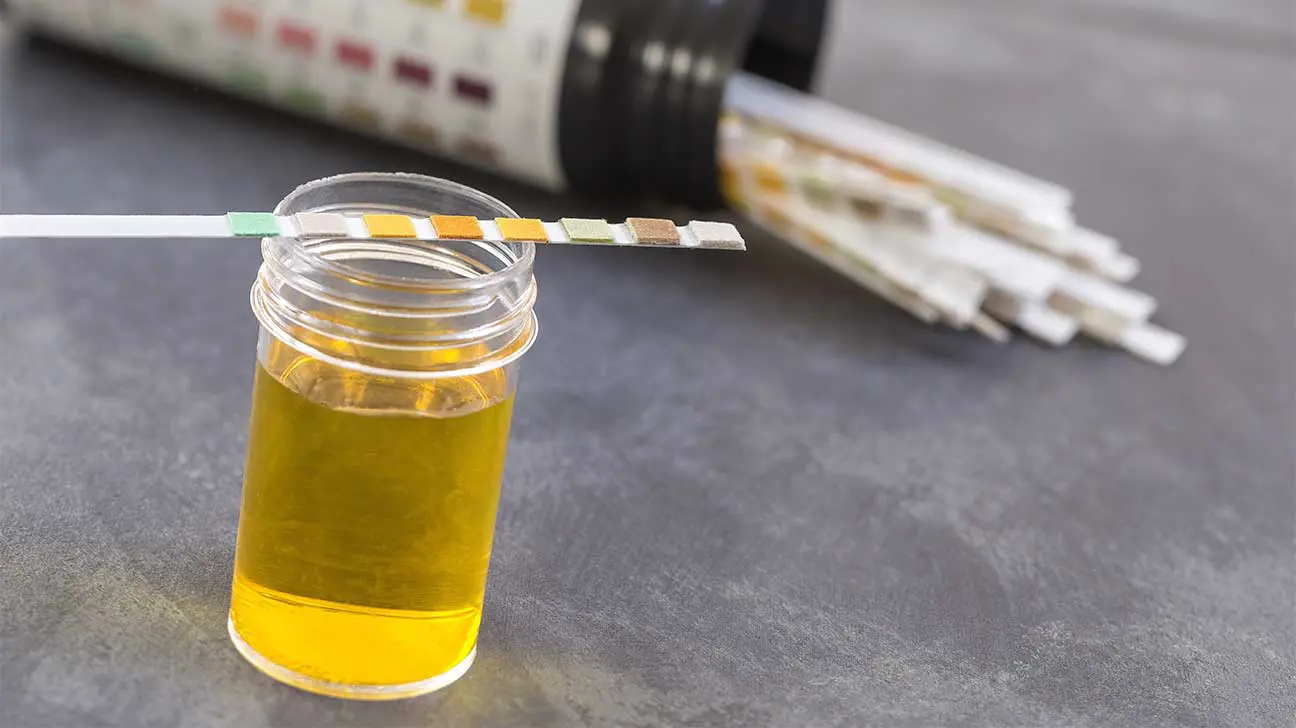
Xanax will not be detected in a standard 5-panel urine drug test. However, it can be detected through a broader drug panel or by using a specialized urine screen.
Detecting Xanax In Urine
Xanax is a prescription benzodiazepine that can be detected in a urine test for anywhere from two to eight days, depending on how long you’ve been taking Xanax and other factors.
Factors That Can Affect How Long Xanax Stays In Urine
Not all bodies process Xanax at the same rate. The actual amount of time it takes for Xanax to leave the urine can vary according to several factors.
These factors can include:
- Dose taken: Higher doses of Xanax may stay in the urine for a longer period of time.
- Duration of use: Taking Xanax for longer than six months can cause a buildup of the drug in the body. This can lead to a longer detection time in urine.
- Liver function: Xanax is primarily metabolized by liver enzymes. If your liver function is impaired, this may affect how long it takes for the drug to leave your system.
- Method of use: The amount of time Xanax stays in the body can vary based on whether you swallow, snort, inject, or smoke Xanax.
- Body composition: People with a higher body fat percentage may absorb and metabolize Xanax more slowly, resulting in a longer detection time.
- Polydrug use: Taking additional drugs, including other prescription drugs or alcohol, may affect how long it takes for Xanax to leave the urine.
How To Get Xanax Out Of Your System
If you’ve been taking Xanax for a long time, stopping it all at once can be dangerous. This could trigger moderate to severe withdrawal symptoms, including seizures.
Ways to get Xanax out of your system:
- tapering your dosage gradually (seek medical advice)
- beginning a drug detox program
Stopping your use of Xanax is the only way to get it out of your system. If you need help getting off Xanax, seeking professional support through a drug detox program may be recommended.
Call Today To Find Treatment For Xanax Abuse
Getting off Xanax can be very difficult without professional support. Call our helpline today to find a treatment program for Xanax that’s capable of meeting your needs.
Addiction Resource aims to provide only the most current, accurate information in regards to addiction and addiction treatment, which means we only reference the most credible sources available.
These include peer-reviewed journals, government entities and academic institutions, and leaders in addiction healthcare and advocacy. Learn more about how we safeguard our content by viewing our editorial policy.
- Redwood Toxicology Laboratory—Laboratory Testing Reference Guide
https://supremecourt.nebraska.gov/sites/default/files/Programs/CIP/events/redwood/LAB_Reference_Guide.pdf - U.S. National Library of Medicine: MedlinePlus—Alprazolam
https://medlineplus.gov/druginfo/meds/a684001.html - U.S. National Library of Medicine: NCBI—Withdrawal Management - Clinical Guidelines for Withdrawal Management of Drug Dependence in Closed Settings
https://www.ncbi.nlm.nih.gov/books/NBK310652/ - U.S. National Library of Medicine: NCBI—OBJECTIVE TESTING-URINE AND OTHER DRUG TESTS
https://www.ncbi.nlm.nih.gov/pmc/articles/PMC4920965/