

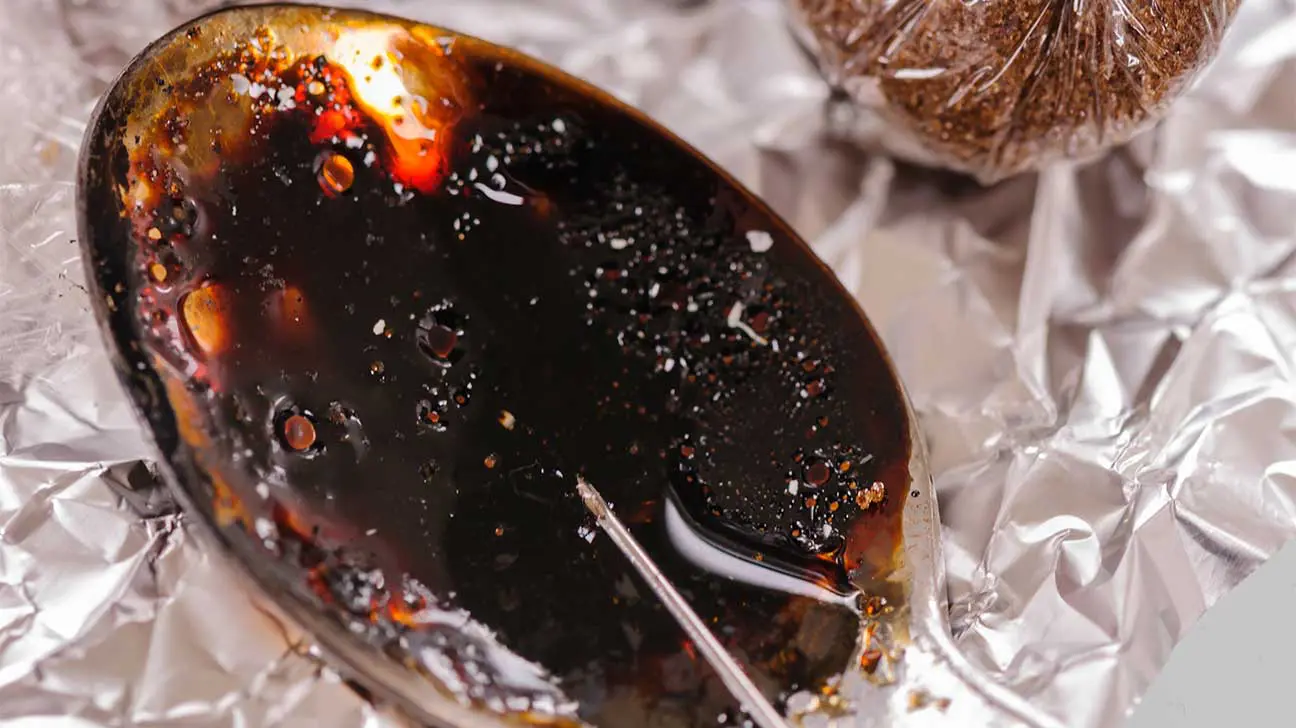
Mainly produced in Mexico and smuggled across the southern border, black tar heroin has quickly risen to become the most predominant type of heroin available in the U.S. market.
Like other types of heroin, black tar has a high potential for physical and psychological dependency. In high doses, or mixed with other drugs, it can also be deadly.
Mexican Black Tar Heroin
The majority of black tar heroin is produced in Mexico and brought into the United States across the southern border.
Traditionally only available in the southern and western states, this form of heroin has become readily available in markets across the nation.
Since 2015, most of the heroin sold in the U.S. has come from Mexico. In 2017, heroin from Mexico accounted for 91 percent of all heroin seized by the DEA.
Read more about Mexican black tar heroin
Side Effects Of Black Tar Heroin
The side effects of using black tar are similar to the side effects of using other types of heroin and opioids.
Some side effects include:
- feeling of euphoria
- itching
- constipation
- warm, flushed skin
- constricted pupils
- slurred speech
- dry mouth
- weight loss
- mood swings and irritability
Health Issues Related To Black Tar Heroin Use
Heroin use can lead to many different health issues, especially with long-term use.
Some health issues that can arise due to the use of black tar include:
- collapsed veins
- mental health issues
- sexual dysfunction
- higher risk for Hepatitis B and C
- kidney disease
- liver disease
- skin infections
Black Tar Heroin Identification
Black tar heroin is a crude form of heroin that is generally dark in color, and either sticky or hard in its consistency. This makes it distinct from powder heroin, which can be brown or white.
Read more about how to identify black tar heroin
Black Tar Heroin Vs. Powder Heroin
Black tar heroin and powder forms of heroin are similar, but they are not the same. Although they have the same effects, they can differ in their ingredients and purity.
Read more about the differences between black tar heroin and powder heroin
Recovering From Heroin Addiction Is Possible
Nearly 750,000 people in the United States reported using heroin in 2019. More than half met the criteria for heroin use disorder.
With the nation in the grips of an opioid crisis, there are a growing number of treatment options available to help those struggling with heroin addiction.
Achieving recovery from heroin addiction is possible.
Black Tar Heroin FAQs
Find answers to the most frequently asked questions about black tar heroin.
❓ Where Does Black Tar Heroin Come From?
✔️ Black tar heroin comes from the opium poppy plant. This plant is grown all over the world, including parts of Southeast Asia, Southwest Asia, and Latin America.
Most of the black tar heroin in the United States comes from Mexico and Colombia.
❓ What Is In Black Tar Heroin?
✔️ Black tar heroin is processed and filtered using a variety of chemicals, but its primary ingredient is morphine. Morphine is a naturally occurring opiate that is processed from opium.
In addition to morphine, black tar heroin may contain a number of cutting agents, including anesthetics, fillers, and other illicit drugs.
❓ How Is Black Tar Heroin Made?
✔️ Black tar heroin is processed from morphine, which comes from the opium poppy plant. From here, a series of steps must be taken to refine morphine into diacetylmorphine (heroin).
The manufacturing process for creating black tar varies according to place of origin and techniques used by the manufacturer.
Read more about how black tar heroin is made
❓ Can You Shoot (Inject) Black Tar Heroin (IV Use)?
✔️ Injection is the most common route of administration for using black tar. In black tar form, heroin can be injected into a vein or muscle by diluting and heating it.
Injecting black tar heroin is particularly dangerous due to its impure nature.
Those who inject are at risk for a variety of health complications including:
- venous sclerosis
- hardening of the veins
- vein collapse
- other bacterial infections
❓ Can You Snort Black Tar Heroin?
✔️ Although injection is the most common method of use, black tar heroin can be administered in other ways. Insufflation, or snorting, of the substance is possible.
This can be done by heating the drug and mixing it with water. From here, it can be snorted up the nose using a glass tube or medicine dropper.
Read more about snorting black tar heroin
❓ Can You Smoke Black Tar Heroin?
✔️ Black tar can be heated and inhaled. Rather than actually smoking black tar heroin, the addicted individual vaporizes the drug by indirectly heating a piece of foil that contains the substance.
The vapor produced from this is then inhaled using a straw or tube. This is commonly referred to as “chasing the dragon.” This can be detected by the strong, vinegary smell of black tar heroin.
❓ What Is The Treatment For Heroin Addiction?
✔️ Overcoming heroin addiction is a multi-step process that begins with detox. Detoxing from heroin involves stopping your use of heroin, which can lead to heroin withdrawal.
People who are addicted to heroin may need further treatment to help them stay off heroin and fully heal from the physical, psychological, and emotional effects of drug addiction.
Treatment for heroin addiction may involve:
- medication
- individual counseling
- behavioral therapy
- group therapy
- relapse prevention
- aftercare support
Treatment for heroin addiction can come in the form of inpatient rehab or outpatient rehab. This is offered by select rehab centers that specialize in treating heroin addiction.
Read more about heroin addiction treatment options
Call Today To Find Treatment For Heroin Addiction
If you or someone you love is struggling with heroin abuse, there is hope to get better.
Contact us today to learn more about rehab programs for heroin addiction for you or a loved one.
Addiction Resource aims to provide only the most current, accurate information in regards to addiction and addiction treatment, which means we only reference the most credible sources available.
These include peer-reviewed journals, government entities and academic institutions, and leaders in addiction healthcare and advocacy. Learn more about how we safeguard our content by viewing our editorial policy.
- National Institute on Drug Abuse — What are the medical complications of heroin use?
https://www.drugabuse.gov/publications/research-reports/heroin/what-are-medical-complications-chronic-heroin-use - U.S. Drug Enforcement Administration — 2016 Heroin Signature Report
https://www.dea.gov/sites/default/files/2018-10/Heroin%20Signature%20Report%20FINAL.pdf