

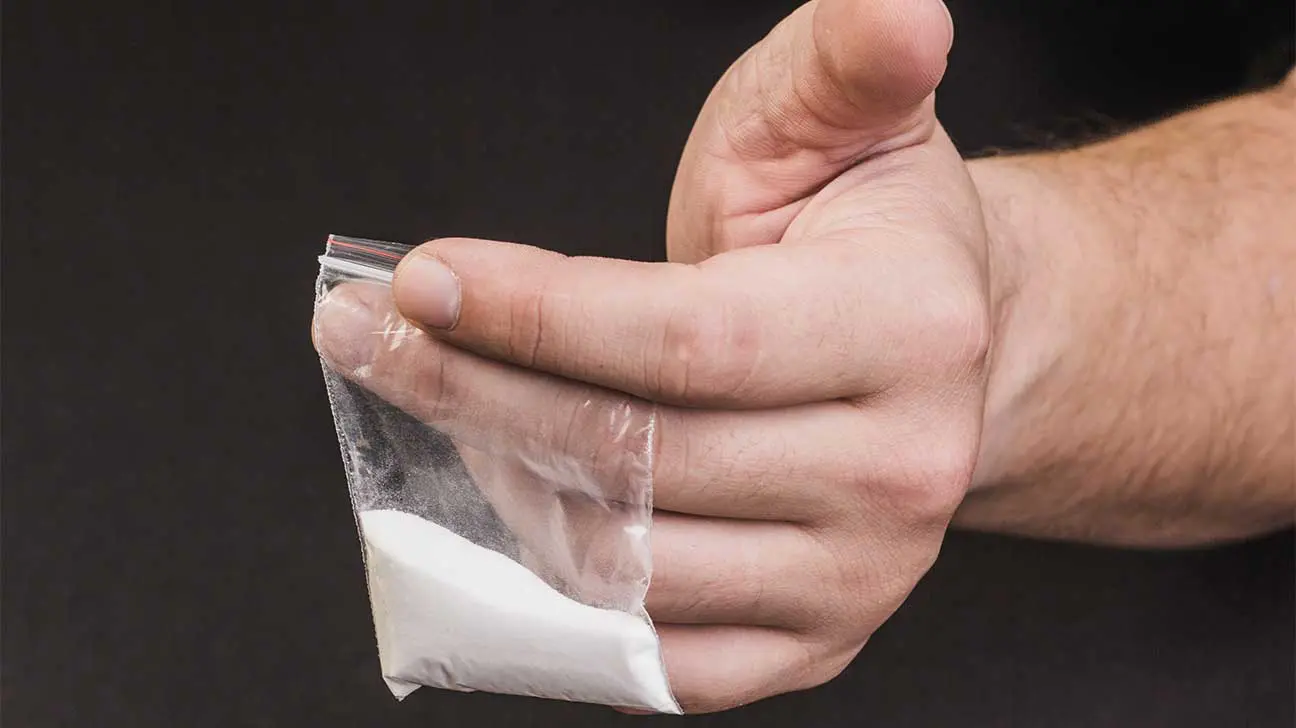
Heroin is one of the most addictive opioids in the world. Manufactured primarily in southern Asia, Columbia, and most recently Mexico, heroin is derived from the seed pod of the opium poppy plant.
Heroin has a similar effect on the brain as opioids, such as Vicodin and OxyContin, binding to opioid receptors in the brain and producing feelings of calm and relaxation.
The Street Price Of Heroin: How Much Does Heroin Cost?
The price of heroin can vary depending on the amount of the drug that you want to buy. These prices reflect nearly an 80 percent decrease from the early 1980s price for heroin of $2,200 per gram. The breakdown looks like this.
How Much Does Heroin Cost Per Day?
How much it costs to abuse heroin every day depends on a person’s level of addiction. Since a bag of heroin costs as little as $5, depending on your location, heroin is relatively cheap compared to other drugs.
In most states, in fact, it is cheaper to abuse heroin than cigarettes. However, heroin is highly addictive and can cause individuals to become severely dependent on the drug within a short time.
To achieve a continual high, many people abuse heroin in binges, taking more before the first dose wears off. In order to chase these long-lasting effects, a person may spend anywhere from $100 to $200 a day on heroin.
Why Heroin Is So Low-Cost
Heroin is an inexpensive alternative for people with addictions to opioids. If they can’t get a new prescription, they turn to heroin because opioids on the street can cost as much as $100 per pill.
In fact, a staggering 80 percent of people who use heroin admitted to beginning with and misusing prescription opioids and later switching to heroin.
Supply and demand trends, as well as competing drug cartels, have driven the cost of heroin so low that only one other illegal drug, meth, is less expensive.
The True Cost Of Heroin
Although the economic value of heroin is seen as relatively low-cost, the true price of heroin is incredibly steep.
Heroin is two to five times stronger than morphine, providing a much more substantial and instantaneous high, especially when injected. But heroin abuse comes with a legacy of physical damage.
The physical toll heroin can take on the body includes:
- liver disease
- kidney disease
- infections of the lining of the heart
- mental disorders
- nasal lining complications for people who snort the drug
- increased risk of HIV and hepatitis for those who inject it
- fatal overdose
Find Help For Addiction Today
If you or a loved one are facing addiction, you can get help today. Call us to learn more about your treatment options, the recovery process and how you can start your journey to sobriety today.
Addiction Resource aims to provide only the most current, accurate information in regards to addiction and addiction treatment, which means we only reference the most credible sources available.
These include peer-reviewed journals, government entities and academic institutions, and leaders in addiction healthcare and advocacy. Learn more about how we safeguard our content by viewing our editorial policy.
- Foundation for a Drug-Free World — Heroin: International Statistics
https://www.drugfreeworld.org/drugfacts/heroin/international-statistics.html - National Institute of Drug Abuse — Heroin
https://www.drugabuse.gov/publications/drugfacts/heroin - STAT News — The costs of heroin and naloxone: a tragic snapshot of the opioid crisis
https://www.statnews.com/2018/11/08/costs-heroin-naloxone-tragic-snapshot-opioid-crisis/ - United Nations Office on Drugs & Crime — Heroin and cocaine prices in Europe and USA
https://dataunodc.un.org/drugs/heroin_and_cocaine_prices_in_eu_and_usa - Washington Post – Why a bag of heroin costs less than a pack of cigarettes
https://www.washingtonpost.com/news/to-your-health/wp/2015/08/27/why-a-bag-of-heroin-costs-less-than-a-pack-of-cigarettes-2/?utm_term=.221197264008