

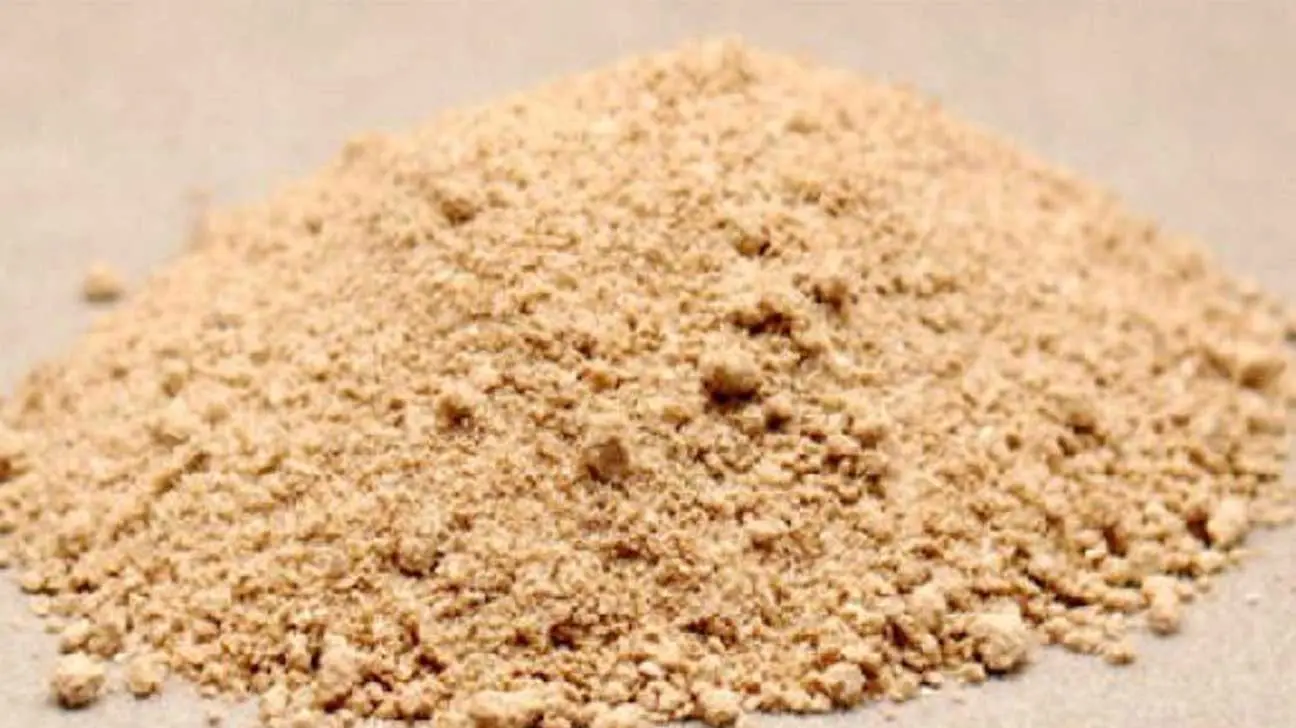
Cheese heroin is a variety of heroin sold on the street. It’s a mix of over-the-counter cold medications, like Tylenol PM, and Mexican black tar heroin.
The drug contains less than 1 to 3 percent pure heroin, but it is highly addictive and cheap in price.
Facts About Cheese Heroin
Cheese heroin is a highly addictive drug.
Factors that may contribute to addiction and drug abuse rates for this type of heroin include:
- It became popular among young people in middle and high school, especially in North Texas and the Dallas area.
- Cheese heroin contains far less heroin than other varieties.
- It is priced significantly less than Mexican heroin and other forms of the drug.
- The low price makes it easier to acquire among school-aged kids.
- According to Dallas police, the drug is sold in small batches, in plastic wrap, or zip-lock bags.
Abuse of cheese heroin contributes to a large number of reported incidents of heroin addiction, overdoses, and hospital visits per year.
How Cheese Heroin Is Abused
Because cheese heroin contains significantly less amounts of heroin than other varieties, the euphoric and sedative effects quickly diminish.
This requires multiple doses of the drug in order to maintain effects. It also leads quickly to drug tolerance and addiction.
Cheese heroin is easy to produce with over-the-counter medicine tablets and powdered heroin.
Medications like Tylenol PM are crushed and mixed with heroin. When finished, the drug can be injected intravenously or smoked for an intense and dangerous high.
How Cheese Heroin Compares To Other Types Of Heroin
Cheese heroin is made with black tar heroin. Black tar heroin is known for its black color and solid, sticky consistency. It differs from other powdered forms of heroin which are white or brown in color.
Black tar heroin is usually less pure than white powder heroin, ranging from a 25 percent purity and less.
Because of its lower purity level, and because only a small amount of the drug is used to produce cheese heroin, the finished product leads to an extremely low price.
Cheese heroin may sell at just a few dollars compared to upwards of $200 for a gram of regular heroin.
Side Effects Of Cheese Heroin
Heroin has several severe short-term and long-term side effects that cause damage to both physical and mental health.
The most dangerous risks from heroin usage are attributed to the sedative qualities of the drug that can lead to cessation of breathing and heart rate.
Some short-term side effects of heroin drug use include:
- decreased breathing and heart rate
- flushing
- nausea
- increased appetite
- slow reflexes
- decreased pain
- inability to concentrate
- relaxation or drowsiness
Long-term effects caused by heroin could include:
- acne and pustules on skin
- oral damage and tooth decay
- weak immune system
- cognitive decline
- memory loss
- permanent organ damage
- overdose
- death
Can Cheese Heroin Lead To Overdose?
Drug dealers use heroin, morphine, and other dangerous cutting agents when producing cheese heroin that causes central nervous system depression and can lead to respiratory failure when used in large amounts.
When heroin use is mixed with other substances, overdose risk increases:
- depressants
- antihistamines
- over-the-counter medications
- alcohol
Emergency cases of heroin overdoses are treated with naloxone (Narcan). This opioid antagonist blocks heroin and may reverse the effects of overdose when administered early.
Getting Treatment For Heroin Addiction
Often, it is difficult for people with a heroin addiction to achieve sobriety without addiction treatment.
Heroin substance abuse treatment centers may use methadone for opiate withdrawal, when necessary. They may offer inpatient drug rehab or other forms of treatment to ensure long-term recovery from heroin as well.
If you or a loved one is battling a heroin addiction, or have questions about rehab programs available for this substance use disorder, connect with a specialist through our helpline today.
Addiction Resource aims to provide only the most current, accurate information in regards to addiction and addiction treatment, which means we only reference the most credible sources available.
These include peer-reviewed journals, government entities and academic institutions, and leaders in addiction healthcare and advocacy. Learn more about how we safeguard our content by viewing our editorial policy.
- Allen Independent School District — Cheese Heroin
https://www.allenisd.org/cms/lib8/TX01001197/Centricity/Domain/1868/cheese%20heroin%20Max%20and%20Aman.pdf - National Center for Biotechnology Information — Characteristics of Mexican and Mexican American Adolescents in Treatment for “Cheese” Heroin Use
https://www.ncbi.nlm.nih.gov/pmc/articles/PMC4151481/ - National Center for Biotechnology Information — Heroin in brown, black and white: Structural factors and medical consequences in the US heroin market
https://www.ncbi.nlm.nih.gov/pmc/articles/PMC2704563/ - National Center for Biotechnology Information — Treatment of heroin addiction
https://www.ncbi.nlm.nih.gov/pmc/articles/PMC1972884/ - National Institute on Drug Abuse — DrugFacts: Heroin
https://www.drugabuse.gov/publications/drugfacts/heroin - U.S. National Library of Medicine: Medline Plus — Heroin
https://medlineplus.gov/heroin.html