

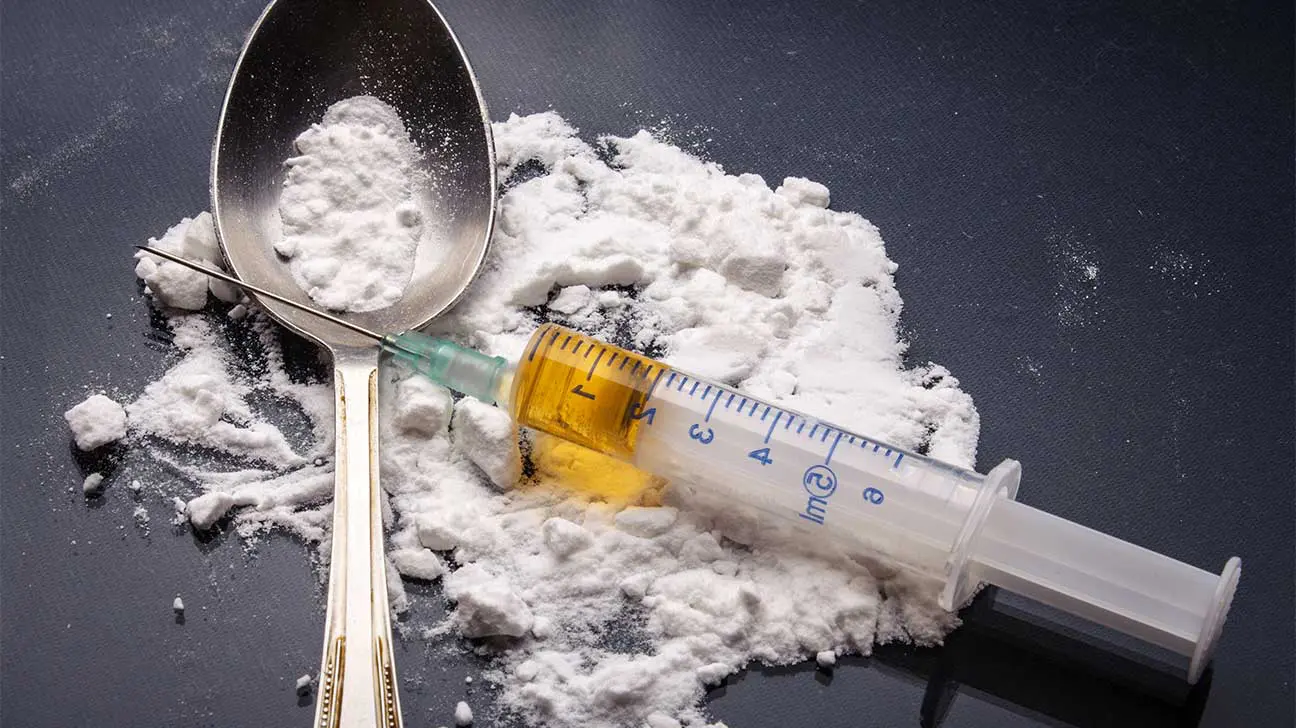
China white heroin was once the name for the white powdered heroin with a reputation for high quality.
Now it is the street name of a dangerous, illegal drug that contains a range of synthetic opioids known to cause unpredictable effects and overdose death.
What Is China White Heroin?
China white generally contains some form of fentanyl — the strong synthetic opioid painkiller that is between 50 and 100 times stronger than morphine.
Heroin is generally considered about twice as strong as morphine.
This illegal drug does not have a standard “recipe,” but most versions contain 4-phenylpiperidines like alpha-methylfentanyl and p-fluorofentanyl.
Alpha methylfentanyl is about 300 times the strength of morphine and can cause a deadly overdose.
How China White Compares To Heroin
China white provides a more intense, harsher high than street drug heroin known as big h, black tar heroin, or skag. China white may or may not contain heroin, depending on its formulation.
China white can be injected, snorted, or smoked.
Because it is a “designer opioid” created in underground labs, china white heroin may contain any range of contaminants that complicate side effects.
China White Side Effects
A person that regularly uses strong opioids to experience feelings of euphoria and calm can also experience other negative side effects.
Many people use street-level opioids like china white heroin as a result of opioid dependence and out of a need to mitigate withdrawal symptoms.
People that use china white heroin may experience immediate side effects, including:
- clouded thinking
- altered mental status
- slurred speech
- extreme drowsiness
- nausea
- vomiting
- dangerously slow heart rate
- low blood pressure
- respiratory depression
- trouble breathing
- confusion
- weakness
These initial effects of opioid intoxication can turn deadly if too much china white is ingested.
This can easily happen because of poor production quality-control and lack of knowledge, plus possible polysubstance use that complicates side effects when using china white.
Despite the varied responses that can happen in the short-term, the long-term damage that china white can cause is very similar to other opiates of abuse.
Long-Term Effects
People that regularly use or binge china white heroin can experience long-term systemic impact on their vital systems and may have lasting mental health damage.
The effects of heroin and opioid designer drugs both can result in life-changing negative reactions, strong withdrawal symptoms, and possible overdose death.
Some long-term effects of china white heroin use include:
- low blood pressure
- sepsis
- increased risk of HIV/AIDS
- kidney failure from rhabdomyolysis
- weakened heart valves
- irregular heartbeat
- heart attack
- stroke
- increased risk of cancers and infections
- hepatitis/liver damage
- constipation
- memory loss
- irritability
- chronic depression
- increased sensitivity to pain analgesic
Increased Risk Of Deadly Overdose
When a person takes more of a drug than their body can process, an overdose can occur.
Opioids are used medically as analgesics, but their ability to depress the central nervous system makes them incredibly dangerous in large doses.
China white is especially dangerous because there is no known dosage where a person can reasonably expect to avoid overdose symptoms.
Many people will test the strength of the drug in incremental injections, but people that take their “normal” dose of china white are playing roulette with an essentially unknown substance.
A person that experiences a china white heroin overdose may show symptoms like:
- trouble breathing
- unresponsive pinpoint pupils
- decreased respiration rate
- confusion and agitation
- cold or clammy skin
- extreme drowsiness
- coma
- weak pulse
- irregular heartbeat
One of the best methods for reversing a potential opioid overdose death is with fast administration of naloxone (Narcan).
This opioid overdose-reversal drug binds to opioid receptors in the brain and prevents the china white from having an effect.
Can China White Heroin Cause Withdrawal Symptoms?
It is reported that withdrawal symptoms from fentanyl and fentanyl analogs are very difficult to undergo without pharmaceutical interventions.
Within a day, a person that is physically dependent on china white heroin will begin to experience the onset of withdrawal symptoms.
Without a supervised taper or medically assisted detox, some of the withdrawal symptoms may be deadly.
Some withdrawal symptoms include:
- increased blood pressure
- increased heart rate
- depression
- insomnia
- flushing
- hallucinations/psychosis
- severe cravings
- irritability
- uncontrollable leg movements
- chills
- nausea
- vomiting
- diarrhea
- weakness
- muscle and bone pain
Getting Help For Opioid Drug Use
Opioid addiction and dependence destroy lives. If you or a loved one is living with opioid dependence, there is help available.
Call our treatment specialists to learn more about the range of treatment options for heroin addiction available to help you get onto the path of sobriety.
Supervised inpatient detox coupled with behavioral therapies has been a successful first step towards continued sobriety. Get in touch today to get started.
Addiction Resource aims to provide only the most current, accurate information in regards to addiction and addiction treatment, which means we only reference the most credible sources available.
These include peer-reviewed journals, government entities and academic institutions, and leaders in addiction healthcare and advocacy. Learn more about how we safeguard our content by viewing our editorial policy.
- Rolling Stone — ‘China White’: What You Need to Know About Heroin-Like Drug
https://www.rollingstone.com/culture/culture-news/china-white-what-you-need-to-know-about-heroin-like-drug-107437/ - Universal Journal of Clinical Medicine — China White: Clinical Insights of an Evolving Designer Underground Drug
https://www.hrpub.org/download/20150410/UJCM2-16903384.pdf - United States Drug Enforcement Agency (DEA) — Acetyl Fentanyl
https://www.ddap.pa.gov/Lists/Announcements/Attachments/119/Acetyl%20fentanyl%20fact%20sheet.pdf