

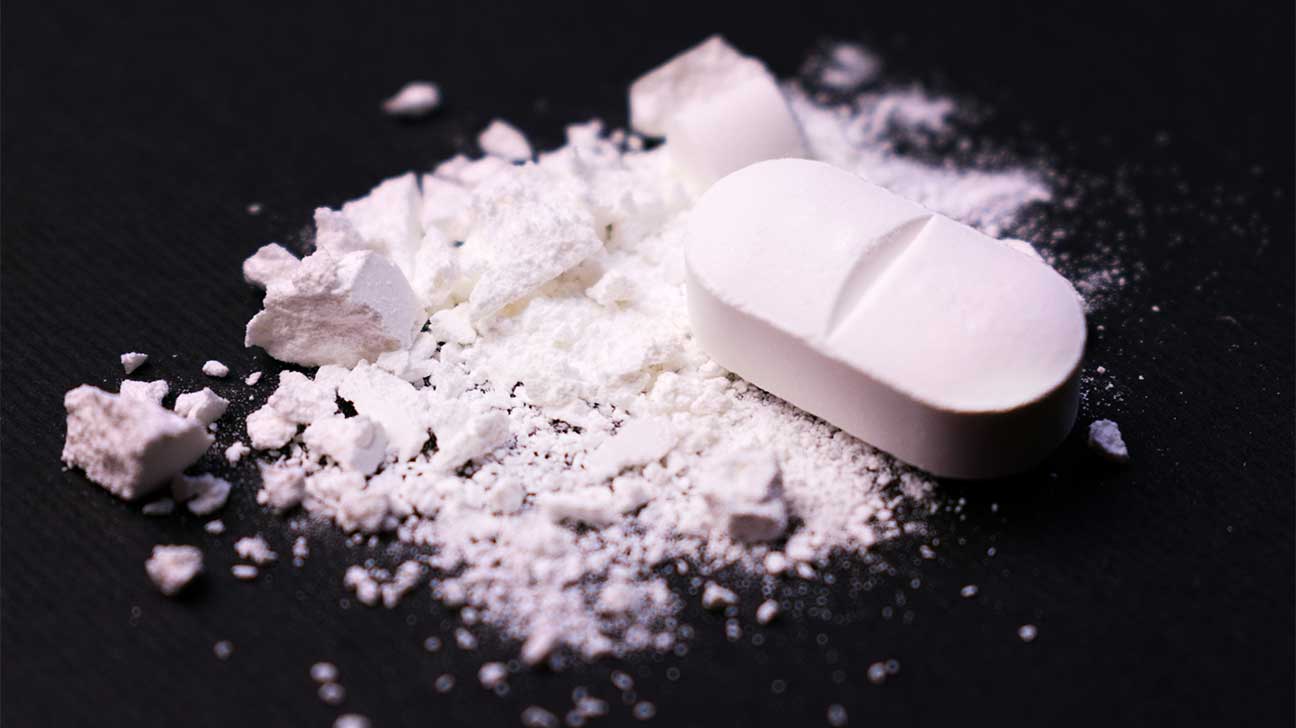
Tylenol PM is a drug that can be bought over-the-counter (OTC) and comes in the form of a tablet. Getting Tylenol PM does not require a prescription.
Uses for Tylenol PM include:
- pain relief
- allergy relief
- reducing fever
- sleep aid
This drug is intended to be swallowed by mouth. Taking it in any way other than directed, including snorting it, can have harmful side effects and may be a sign of drug abuse.
Learn more about the dangers and effects of snorting drugs.
What Makes Tylenol PM Different Than Tylenol?
Regular Tylenol contains the active ingredient acetaminophen. Tylenol PM contains the added ingredient diphenhydramine, an antihistamine that can relieve allergies and cause sleepiness.
What Does Snorting Tylenol PM Do?
Snorting drugs, also known as insufflation, is a common sign of drug misuse. While often done to feel the effects of a drug more quickly, this can also lead to potentially serious side effects.
Side effects of snorting Tylenol PM can include:
- irritated or runny nose
- nosebleeds
- intense drowsiness
- dizziness
- upset stomach
- blurred vision
- dry mouth
- dry nose
Snorting a lot of Tylenol PM, or crushing it and mixing it with other drugs, can lead to additional side effects, including changes in mood, behavior, and vital signs.
Why Do People Snort Tylenol PM?
Snorting over-the-counter drugs like Tylenol PM is uncommon. However, sometimes people will snort Tylenol by itself or crush it and mix it with other drugs.
People may snort Tylenol PM to:
- get high
- get rapid pain relief
- fall asleep
- stave off withdrawal symptoms
Tylenol PM is sometimes crushed and mixed with heroin. This has been referred to as “cheese” heroin. It is tannish or brown in color.
Snorting Tylenol PM mixed with heroin can be very dangerous, due to a high risk of drug dependence over time, addiction, and overdose.
Dangers Of Snorting Tylenol PM
Snorting Tylenol PM can lead to serious effects, in part because this is not how it is supposed to be used. It can also be dangerous depending on the dose taken, and if used with other drugs.
Short-term dangers include:
- liver damage
- confusion
- severe skin reactions
- vision problems
Long-term dangers may include:
- nasal damage
- psychological dependence
- mood swings
- liver damage
- risk of addiction
In September of 2020, the U.S. Food and Drug Administration issued a Drug Safety Communication regarding Benadryl, which contains an ingredient also in Tylenol PM.
Within this safety alert, the FDA stated that taking high doses of diphenhydramine—an ingredient in Tylenol PM—may cause heart problems, seizures, coma, and even death.
Overdose After Snorting Tylenol PM
Drug overdose is a potentially life-threatening condition that can occur after taking too much Tylenol PM, or mixing it with other drugs, including alcohol.
Signs of an overdose might include:
- nausea
- vomiting
- stomach pain
- irregular heartbeat
- loss of appetite
- confusion
- seizures
- unconsciousness
If someone is experiencing severe symptoms after snorting Tylenol PM—such as difficulty breathing, stopped breathing, or unconsciousness—seek medical attention right away.
Cheese Heroin Overdose
Cheese heroin refers to Tylenol PM mixed with black tar heroin. Heroin is involved in thousands of drug overdose deaths each year.
Symptoms of a cheese heroin overdose include:
- difficulty breathing
- very slow or stopped breathing
- bluish lips or fingers
- cold, clammy skin
- tiny pupils
- weak pulse
- low blood pressure
- gurgling noises
- unresponsiveness
- unconsciousness
Heroin overdose can be life-threatening. Call 911 right away if someone has stopped breathing, is unresponsive, or has fallen unconscious after snorting heroin and Tylenol PM.
Tylenol PM Abuse And Addiction
National survey data shows that an estimated 3.1 million Americans misuse over-the-counter medications at some point in their lives.
Antihistamines and pain-relievers like Tylenol PM are some of the most commonly misused OTC drugs.
Snorting Tylenol PM repeatedly can lead to psychological addiction, physical health problems, and may increase the risk of abusing other drugs, including illicit drugs like heroin.
Find Treatment For Tylenol PM Addiction Today
If you or a loved one has become addicted to over-the-counter medications, we can help you find a drug addiction treatment program that meets your needs.
Call us today to learn more about your addiction treatment options.
Addiction Resource aims to provide only the most current, accurate information in regards to addiction and addiction treatment, which means we only reference the most credible sources available.
These include peer-reviewed journals, government entities and academic institutions, and leaders in addiction healthcare and advocacy. Learn more about how we safeguard our content by viewing our editorial policy.
- Dallas Police Department—Cheese Heroin
https://dallaspolice.net/division/narcotics/cheese-heroin - U.S. Food and Drug Administration (FDA)—FDA warns about serious problems with high doses of the allergy medicine diphenhydramine (Benadryl)
https://www.fda.gov/drugs/drug-safety-and-availability/fda-warns-about-serious-problems-high-doses-allergy-medicine-diphenhydramine-benadryl - U.S. National Library of Medicine: DailyMed—TYLENOL PM
https://www.tylenol.com/products/tylenol-pm-extra-strength-caplet - U.S. National Library of Medicine: MedlinePlus—Heroin overdose
https://medlineplus.gov/ency/article/002861.htm - U.S. National Library of Medicine—Abuse of over-the-counter medicines: a pharmacist’s perspective
https://www.ncbi.nlm.nih.gov/pmc/articles/PMC5774309/ - U.S. National Library of Medicine—Prescription and over-the-counter drug treatment admissions to the California pubic treatment system
https://pubmed.ncbi.nlm.nih.gov/21193282/