
The Arkansas Medicaid insurance program helps people with limited financial resources receive the medical and behavioral health treatment, including addiction treatment, that they need.
People who use Medicaid for addiction treatment may have access to evidence-based services such as medication-assisted treatment (MAT), medical detox, behavioral therapy, and more.
List Of Rehabilitation Centers That Accept Medicaid In Arkansas
Our team has selected the following addiction treatment centers based on their accreditation status, licensure, certifications, Google reviews, positive client testimonials, and other accolades.
1. Behavioral Health Group (BHG), North Little Rock, Arkansas
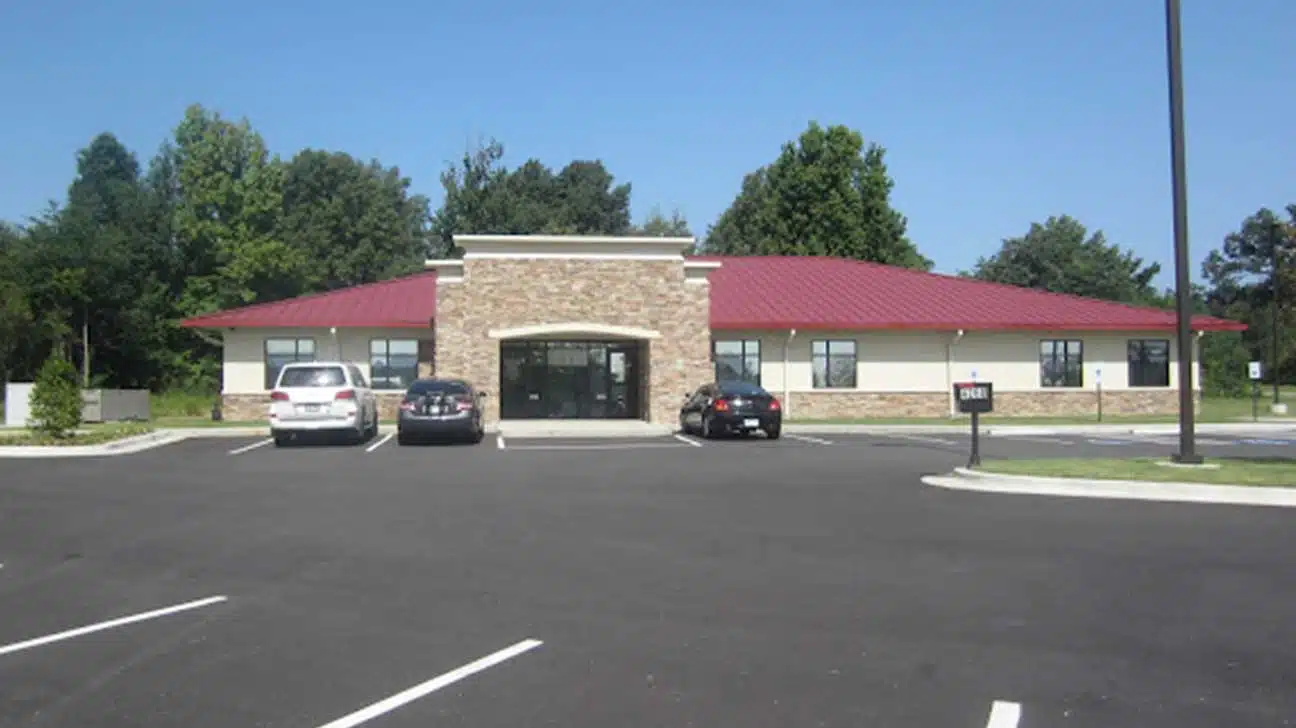
BHG is a drug and alcohol rehab facility in North Little Rock, AR. Here, people can pay for services using Medicare and Medicaid insurance.
Treatment options include:
- MAT
- co-occurring disorder care
- case management services
- counseling services
This rehabilitation facility is backed by dual accreditation from the Joint Commission and the Commission on Accreditation of Rehabilitation Facilities (CARF).
Location and contact information:
4260 Stockton Dr.
Ste. A
North Little Rock, AR 72117
(501) 916-9129
2. Harbor House, Little Rock, Arkansas
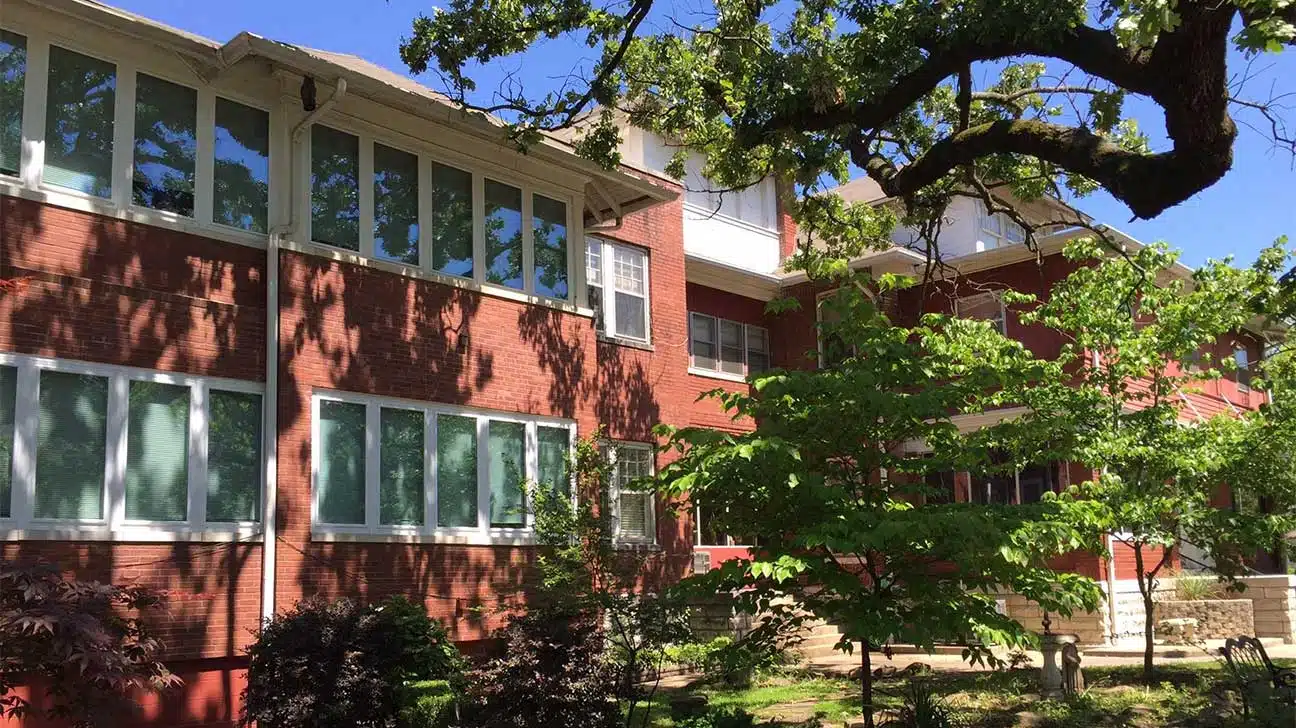
This drug rehab center in Little Rock, AR, accepts people with Medicaid insurance coverage and offers an array of treatment services in a residential setting.
Treatment options available here include cognitive behavioral therapy (CBT), 12-step programs, and holistic services.
Harbor House is backed by CARF accreditation and a partnership with the United Way.
Location and contact information:
3700 W. 65th St.
Little Rock, AR 72209
(479) 785-4083
3. Ideal Option, Fort Smith, Arkansas
Ideal Option is an outpatient addiction recovery center in Fort Smith, AR. Treatment services offered here include MAT, drug and alcohol detox, counseling services, and more.
This rehab center features a 4.7-star Google rating. Clients can use Medicare and Medicaid insurance plans here.
Location and contact information:
1100 Lexington Ave.
Ste. #400
Fort Smith, AR 72901
(877) 522-1275
4. Millcreek Behavioral Health, Fordyce, Arkansas
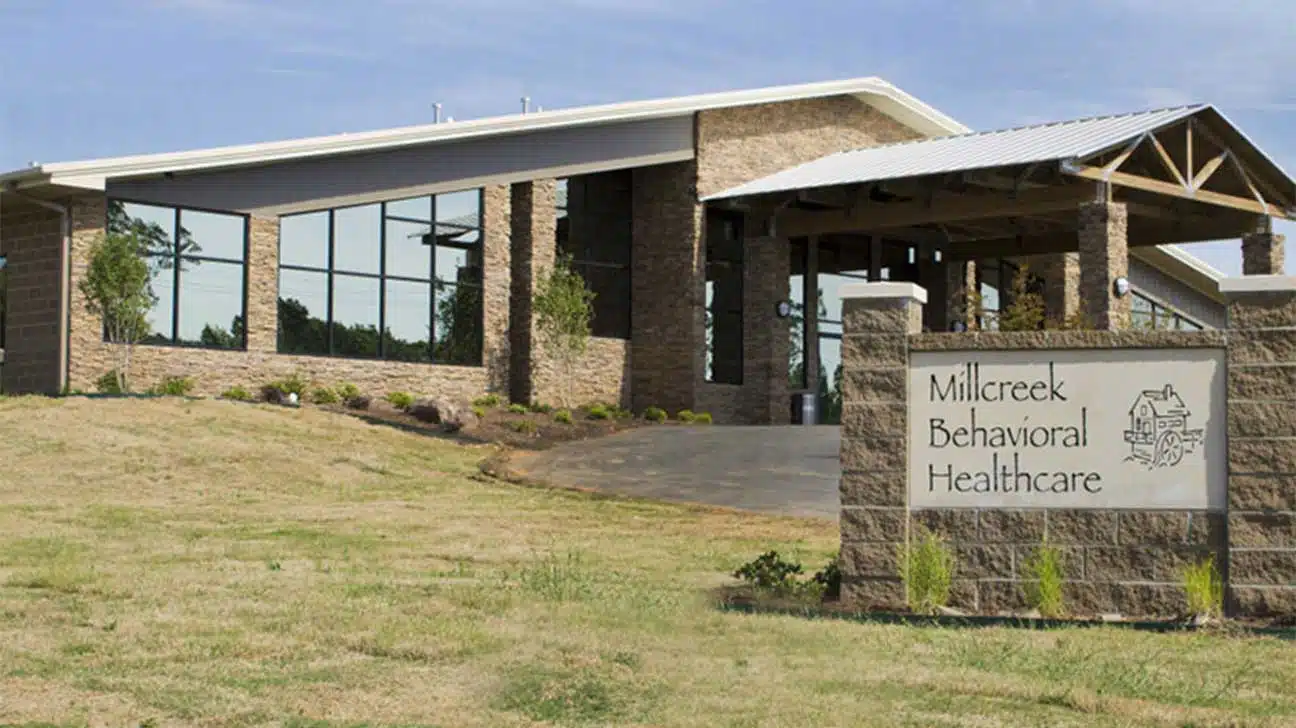
Millcreek Behavioral Health offers residential treatment programs for adolescents with mental health and substance use disorders.
Treatment options include:
- dual diagnosis treatment for Arkansas residents
- group therapy
- aftercare
This behavioral health center accepts Medicaid health insurance plans and is backed by positive client testimonials.
Location and contact information:
1828 Industrial Dr.
Fordyce, AR 71742
(866) 603-2376
5. Springwoods Behavioral Health, Fayetteville, Arkansas
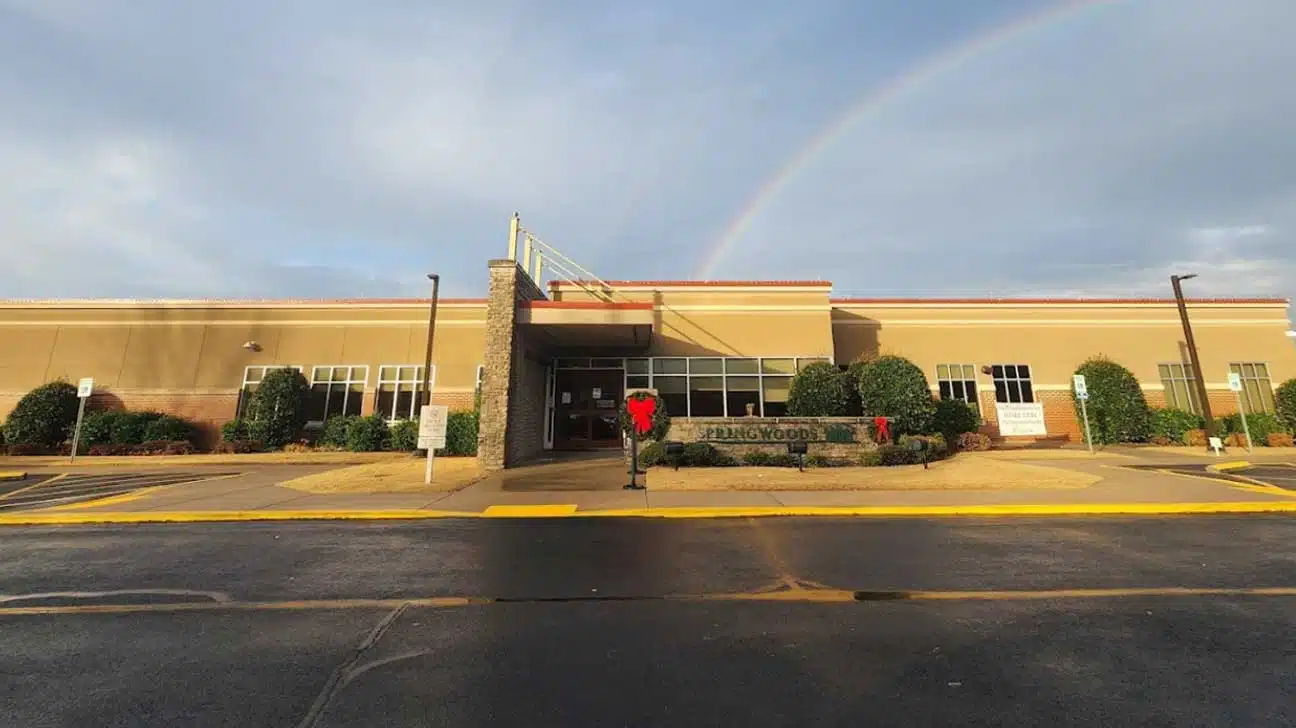
Springwoods Behavioral Health offers a residential and outpatient mental health and drug treatment program in Fayetteville, AR, for adolescents and adults.
Treatment services available here include:
- MAT
- behavioral therapy
- relapse prevention services
This drug and alcohol treatment facility is accredited by the Joint Commission and accepts Medicaid insurance.
Location and contact information:
1955 W. Truckers Dr.
Fayetteville, AR 72704
(479) 973-6000
Substance Abuse Treatment Services Covered By Arkansas Medicaid Insurance
Arkansas Medicaid covers a wide range of behavioral health services.
Treatment services covered by Medicaid may include:
- inpatient treatment for drug addiction
- standard outpatient treatment
- general healthcare services
- partial hospitalization programs (PHP)
- short-term residential rehab programs
- methadone and buprenorphine maintenance
- intensive outpatient programs (IOP)
- group counseling
- psychotherapy
- transitional housing
- treatment for mental health issues
- holistic treatment plans
- aftercare services
- support groups for alcohol addiction
- medical detoxification
How To Use Medicaid To Cover The Cost Of Addiction Treatment In Arkansas
Arkansas Medicaid, or ARMedicaid, is administered by the Arkansas Department of Human Services and uses both state and federal funding.
Medicaid was expanded in 2017, but since a number of Arkansas politicians opposed the Affordable Care Act (ACA), this was accomplished using a private option.
The state uses Medicaid funds to buy private insurance for people. This private option is called Arkansas Works.
People can seek out drug abuse recovery centers that accept this type of insurance to get the treatment they need.
Cost Of Treatment At An Arkansas Medicaid Rehab Facility
In many cases, people using Medicaid insurance have no copay, which is a payment given to the hospital at the time of treatment.
Arkansas Works members may have a premium or copayments for some addiction services depending on their insurance plan.
As of September 2020, clients with opioid use disorder were deemed eligible for Medicaid coverage by the Arkansas Medicaid program.
Arkansas Medicaid Eligibility Requirements
Below are some of the eligibility requirements for getting access to Arkansas Medicaid.
People may qualify for Medicaid if they are:
- pregnant women
- living below the federal poverty line
- children under the age of 18
- elderly
Arkansas Medicaid FAQs
The commonly asked questions listed below may help you or your loved ones narrow your search for a low-cost addiction treatment provider that accepts Arkansas Medicaid.
Are There Christian Rehab Centers In Arkansas That Accept Medicaid?
There are Christian rehab centers in Arkansas, but not all of them accept Medicaid insurance.
Oftentimes, faith-based addiction treatment programs are funded entirely through donations.
Do LGBTQ-Friendly Rehab Facilities In Arkansas Accept Medicaid Insurance?
Yes, there are several LGBTQ-friendly addiction recovery centers in Arkansas that take Medicaid insurance. These facilities can address the specific needs of the LGBTQIA+ community.
Are There Non-12-Step Rehab Centers In Arkansas That Accept Medicaid Insurance?
Non-12-step drug rehab programs in Arkansas are designed to provide science-backed treatment services for people who want to take a secular approach to recovery.
There are several non-12-step drug and alcohol rehab centers that take TRICARE (military insurance), private health insurance, and Medicaid insurance plans.
Find Substance Use Disorder Treatment Today
For more useful information about inpatient drug rehab programs, contact AddictionResource.net today.
Updated on March 20, 2023
Addiction Resource aims to provide only the most current, accurate information in regards to addiction and addiction treatment, which means we only reference the most credible sources available.
These include peer-reviewed journals, government entities and academic institutions, and leaders in addiction healthcare and advocacy. Learn more about how we safeguard our content by viewing our editorial policy.
- ARMedicaid—Timely Information from Arkansas Medicaid
https://medicaid.mmis.arkansas.gov/ - Arkansas Attorney General’s Office—Medicare and Medicaid Issues
https://arkansasag.gov/consumer-protection/money/one/health-care/column-one/medicare-and-medicaid-issues/ - Benefits.gov—Arkansas Medicaid
https://www.benefits.gov/benefit/1089