
The District of Columbia offers Medicaid coverage for eligible residents of Washington D.C. through D.C. Medicaid/Healthy Families, a federally funded healthcare program.
Medicaid plans in the District of Columbia can be used to help cover most, if not all, of the cost of an addiction treatment program.
With D.C. Medicaid for addiction treatment, clients can receive evidence-based treatment services such as medical detox, behavioral therapy, and medication-assisted treatment (MAT).
List Of Drug Rehab Centers That Accept Washington D.C. Medicaid
The rehab centers listed below were selected based on accreditation and licensure status, Google reviews, client testimonials, certifications, and other accolades.
1. Behavioral Health Group (BHG), Washington D.C.
BHG offers MAT using methadone and buprenorphine, counseling services, and dual diagnosis treatment.
Top features of BHG include:
- Commission on Accreditation of Rehabilitation Programs (CARF) accreditation
- Joint Commission accreditation
- LegitScript certification
This addiction recovery center accepts a number of private health insurance plans, Medicaid insurance, and Medicare.
Location and contact information:
1320 Good Hope Rd. SE
Washington, D.C. 20020
(844) 535-7291
2. Circles Of Hope, Washington D.C.
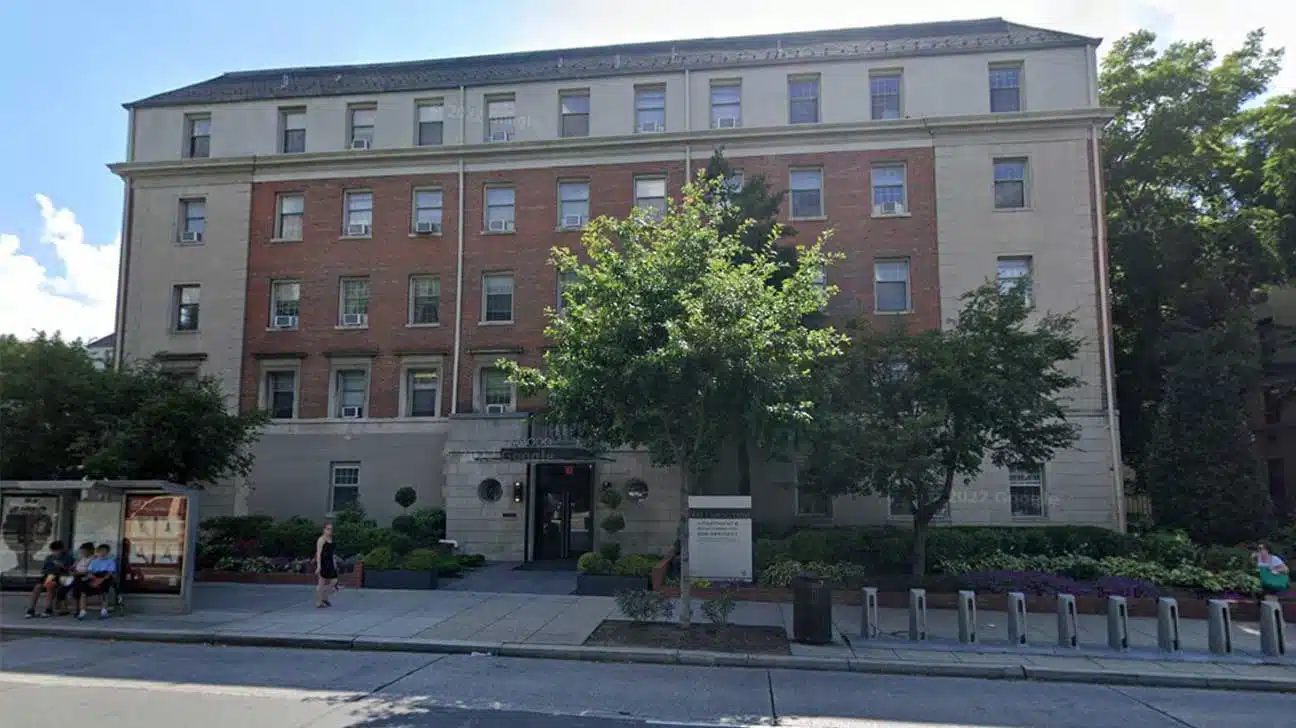
Circles of Hope is an outpatient rehab program that offers an array of evidence-based recovery services.
Drug and alcohol treatment services offered here include:
- specialized addiction treatment for LGBTQ people
- individual, group, and family counseling
- co-occurring disorder care
- behavioral therapy
Circles of Hope is licensed by the District of Columbia Department of Behavioral Health. They accept Medicaid insurance to help cover the cost of their treatment plans.
Location and contact information:
3000 Connecticut Ave. NW
Ste. #321
Washington, D.C. 20008
(202) 265-2343
3. Hillcrest Children And Family Center, Washington D.C.
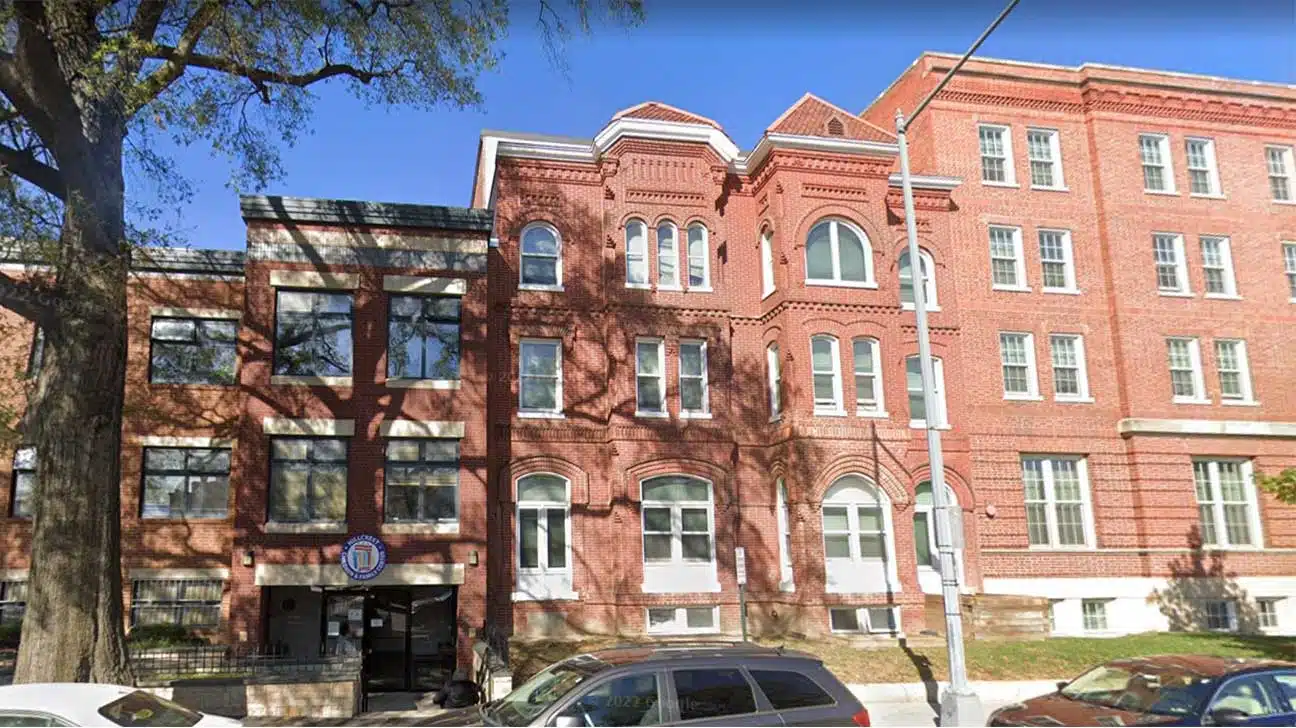
Hillcrest is a social service and behavioral health services agency certified by the D.C. Department of Behavioral Health.
This clinic offers substance use disorder services for children, adolescents, and adults at an outpatient level of care. Medicaid, TRICARE, and private insurance are accepted here.
Treatment options include:
- individual, group, and family therapy
- drug abuse counseling
- mental health services
- intensive outpatient programs (IOP)
Location and contact information:
3029 Martin Luther King, Jr. Ave. SE
Washington, D.C. 20032
(202) 232-6100
4. Psychiatry Institute Of Washington, Washington D.C.
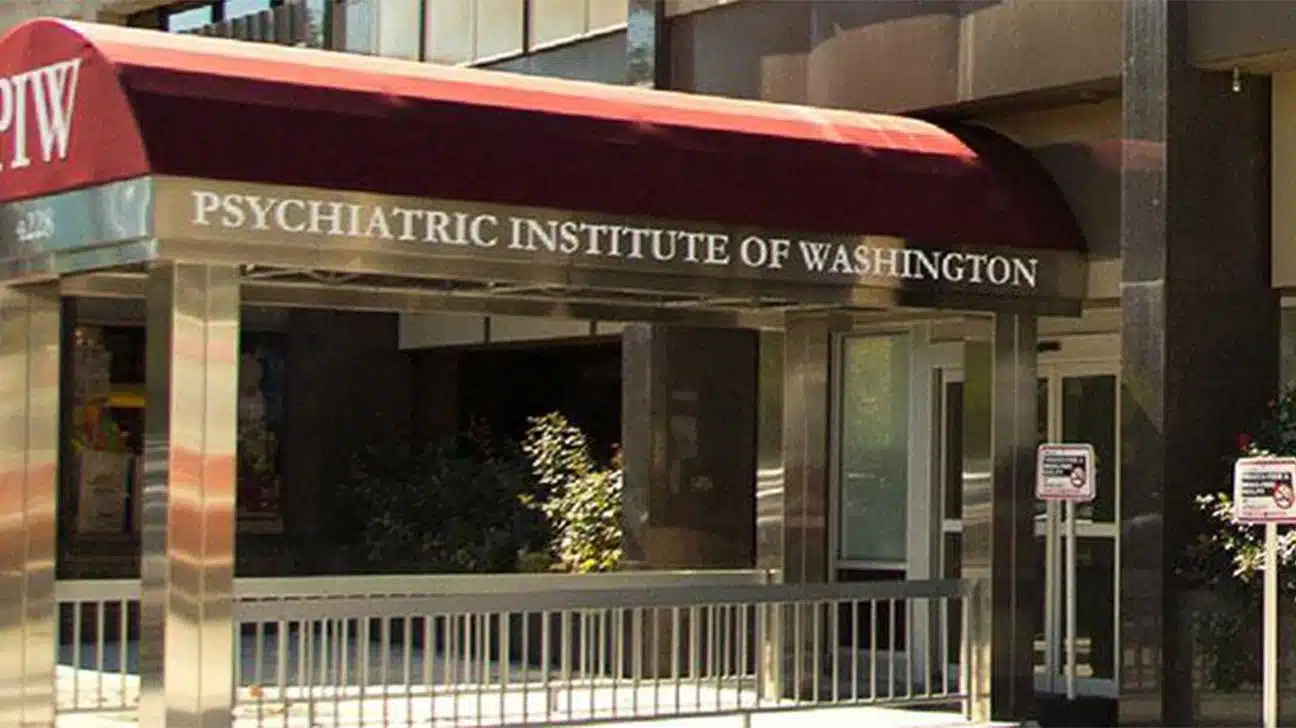
The Psychiatry Institute is a Joint Commission-accredited treatment facility that offers mental health and substance use disorder treatment programs covered by Medicaid insurance.
Substance abuse rehab programs offered include:
- inpatient detoxification programs
- partial hospitalization programs (PHP)
- behavioral therapy
The Psychiatry Institute offers additional treatment services for people with a history of trauma and mental health disorders, including dissociative disorders.
Location and contact information:
4228 Wisconsin Ave. NW
Washington, D.C. 20016
(202) 885-5610
5. Samaritan Inns, Washington D.C.
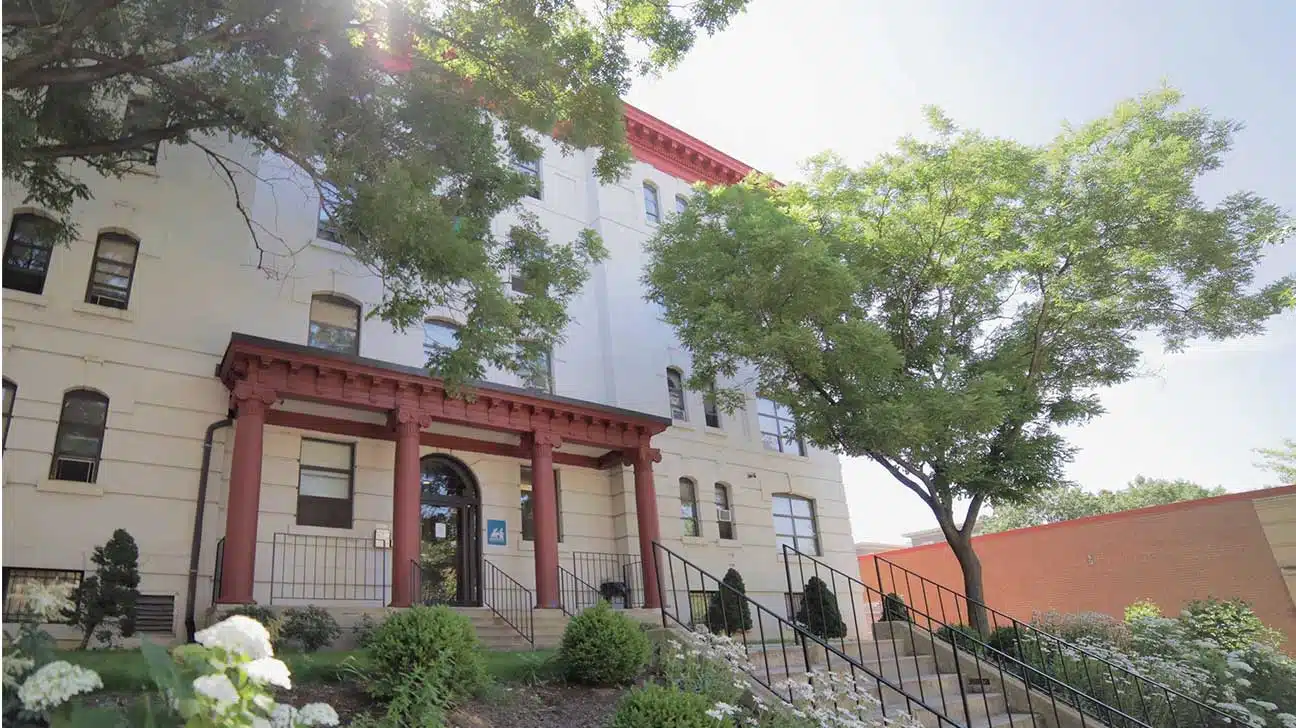
Samaritan Inns is an addiction treatment provider in Washington, D.C.
It offers:
- long-term residential treatment
- 12-step programs
- transitional living homes
- group counseling services
This facility is a Medicaid-approved treatment provider and features a 4.4-star Google rating.
Location and contact information:
2523 14th St. NW
Washington, D.C. 20009
(202) 667-8831
Treatment Services Covered By D.C. Medicaid
The D.C. Department of Behavioral Health offers a range of behavioral health services for Medicaid enrollees, including treatment for mental health and substance use disorders.
Addiction treatment services eligible for D.C. Medicaid coverage include:
- drug and alcohol detox
- outpatient treatment
- long-term or short-term residential treatment
- individual counseling
- group counseling
- inpatient rehab programs
- support groups for opioid drug addiction
- 12-step programs for alcohol addiction
- cognitive behavioral therapy (CBT)
- partial hospitalization programs (PHP)
- dual diagnosis treatment
To verify whether a rehab facility accepts your insurance, you’ll need to talk to an admissions specialist or call the treatment facility directly.
How To Use Medicaid To Cover The Cost Of Addiction Care In Washington, D.C.
Residents of Washington, D.C. are eligible to apply for D.C. Medicaid if they meet the financial eligibility requirements.
D.C. Medicaid offers multiple types of Medicaid Managed Care Plans to best meet the needs of individual residents and their families seeking healthcare coverage.
D.C. Medicaid Managed Health Organizations (MCOs) include:
- AmeriHealth Caritas District of Columbia
- CareFirst Community Health Plan District of Columbia
- Health Services for Children with Special Needs
- MedStar Family Choice District of Columbia
Not all D.C. Medicaid plans offer the same level of coverage for rehab services. Additionally, the types of addiction services covered can vary depending on the type of health plan a person has.
To verify coverage, clients can check their insurance policy or contact the D.C. Department of Behavioral Health for more information.
Cost Of Drug And Alcohol Treatment Using Medicaid At A Washington, D.C. Rehab Center
The cost of addiction treatment in Washington, D.C. while using Medicaid will vary based on the type of treatment received and the type of coverage a person has.
Evidence-based services such as methadone maintenance, detox, and counseling services are fully covered by Medicaid, provided there is a medical necessity for the treatment.
Medical necessity will be determined by a healthcare professional such as a primary care provider (PCP).
There are no copays for people enrolled in D.C. Medicaid Managed Care plans. Fee-for-service or FFS plans may incur a $1 copayment for some prescriptions.
Eligibility Requirements For Washington, D.C. Medicaid
Below are some of the eligibility requirements for enrollment in Washington, D.C. Medicaid.
People who may be eligible include:
- people who are blind or otherwise disabled
- breast and cervical cancer patients
- adults with dependent children
- pregnant women
- people with high medical bills
- people who make an income that is below the federal poverty line
Washington, D.C. Medicaid FAQs
See the commonly asked questions below for more useful information about drug and alcohol rehab centers in Washington, D.C. that accept Medicaid.
Are Luxury Addiction Treatment Programs Covered By Washington, D.C. Medicaid?
No, luxury rehab centers are typically not covered by government health insurance plans. These types of facilities will primarily accept self-payment and private health insurance plans.
If you are interested in enrolling in inpatient treatment at a luxury rehab center, you can always call their hotline to ask about scholarships, grants, and other forms of payment assistance.
Can Veterans Receive Addiction Treatment Using Washington, D.C. Medicaid?
Yes, ex-military personnel can use Medicaid insurance coverage for some drug rehab programs for veterans, but not all.
Call the helpline of the rehab center of your choice to learn more about what types of insurance plans and payment options they accept.
What If I Don’t Qualify For Washington, D.C. Medicaid And Still Need Drug Treatment?
There are a number of free rehab centers in Washington, D.C. that offer inpatient and outpatient services to people who can’t otherwise afford an addiction recovery program.
Additionally, some facilities may offer sliding fee scales based on income or payment assistance plans that can help make the cost of drug and alcohol treatment more affordable.
Find A Substance Abuse Treatment Center Today
If you or a loved one needs care for a substance use disorder, reach out to AddictionResource.net today for more information about addiction treatment centers.
Updated on March 28, 2023
Addiction Resource aims to provide only the most current, accurate information in regards to addiction and addiction treatment, which means we only reference the most credible sources available.
These include peer-reviewed journals, government entities and academic institutions, and leaders in addiction healthcare and advocacy. Learn more about how we safeguard our content by viewing our editorial policy.
- AmeriHealth Caritas District of Columbia—Behavioral health - Medicaid enrollees
https://www.amerihealthcaritasdc.com/member/eng/medicaid/benefits/behavioral.aspx - American Society of Addiction Medicine (ASAM)—Medicaid Coverage of Medications for the Treatment of Opioid Use Disorder
https://www.asam.org/docs/default-source/advocacy/state-medicaid-reports/state-medicaid-reports_dc.pdf?sfvrsn=2 - DC Department of Behavioral Health—Substance Use Disorder Services
https://dbh.dc.gov/page/apra - DC Department of Behavioral Health—Treatment Services
https://dbh.dc.gov/service/treatment-services - DC Medicaid—DC MMIS Provider Billing Manual
https://www.dc-medicaid.com/dcwebportal/documentInformation/getDocument/24795 - Substance Abuse and Mental Health Services Administration (SAMHSA)—Behavioral Health Barometer: District of Columbia
https://www.samhsa.gov/data/sites/default/files/DistrictOfColumbia_BHBarometer_Volume_4.pdf