

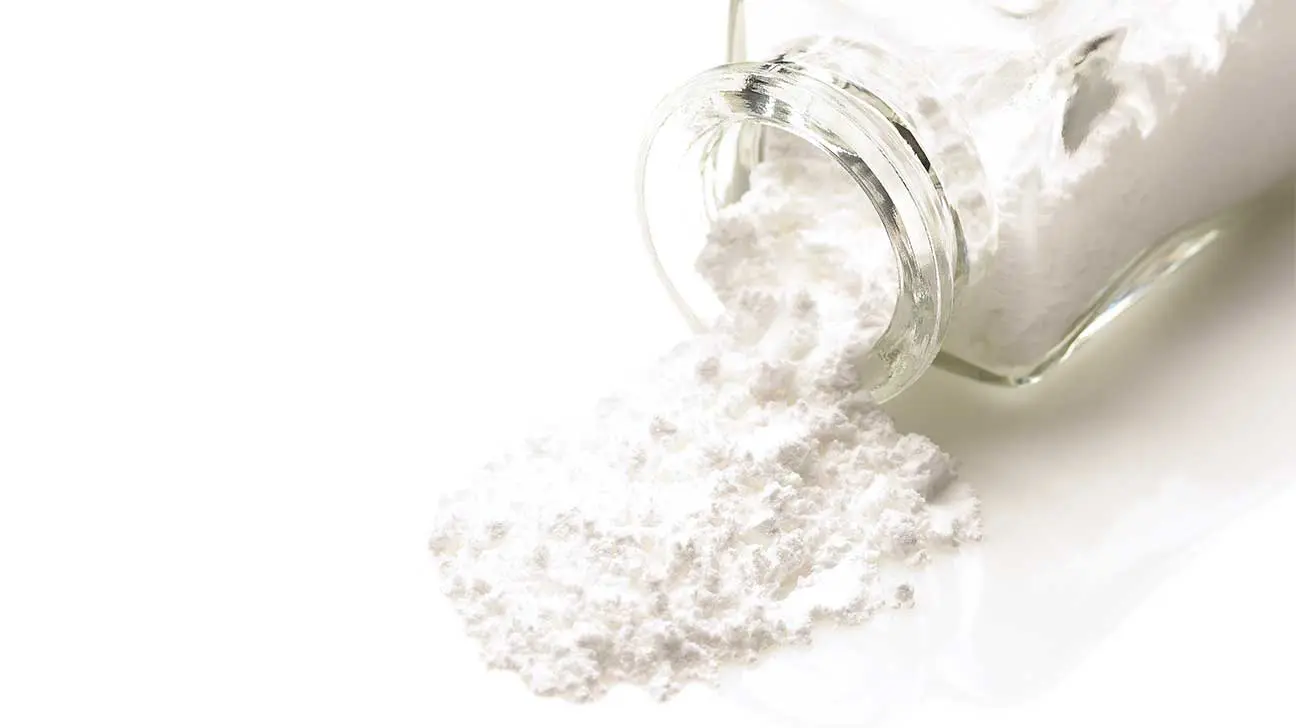
Carfentanil is a controlled substance with a high potential for abuse and chemical dependency.
Carfentanil is a synthetic opioid analgesic (a drug that relieves pain) and a tranquilizing drug. It is the most potent fentanyl analog in the U.S.
An overdose can occur if a person ingests more than 2 milligrams (mg) of carfentanil.
Learn more about the lethal doses of commonly abused drugs
What To Know About A Lethal Dose Of Carfentanil
The lethal dose of carfentanil is 2 mg, the same legal dose of fentanyl. But a person can respond to a dose as low as 1 microgram, which is 0.001 mg.
Carfentanil was originally created in 1974 by a team of chemists with the purpose of tranquilizing large animals in veterinary work. It was never meant for human consumption.
This opioid is extremely powerful, as it’s:
- 100 times more potent than fentanyl
- 4,000 times more potent than heroin
- 10,000 times more potent than morphine
A dose of carfentanil the size of a grain of salt could be lethal.
In fact, 70.6% of all drug overdose deaths involved synthetic opioids. In 2019, 49,860 people died of an opioid overdose.
Why Is Carfentanil So Dangerous?
Drug dealers have been adding carfentanil to other illicit drugs because it’s potent, easier to obtain than heroin or cocaine, and it’s cheaper.
Carfentanil is odorless and colorless, so it’s most likely that if a person unknowingly purchases carfentanil-laced heroin, cocaine, or another drug, it would be undetectable.
Carfentanil can also be absorbed into the body accidentally through airborne powder.
Each of these factors increases the chances of an overdose, causing numbers of opioid-related deaths to spike.
Signs Of Carfentanil Overdose
If you are worried that you or a loved one have overdosed on carfentanil, there are a few warning signs to look out for.
Some of the warning signs of carfentanil overdose include:
- pinpoint pupils
- unresponsiveness
- an inability to speak or move
- vomiting
- dilated pupils
- bluish color to the lips, tongue, nails, or skin
If you are experiencing signs of overdose, call 911 and administer naloxone immediately via injection or nasal spray. This will reverse and block the effects of carfentanil.
Getting Treatment For Carfentanil Addiction
It’s never too late to get help for yourself or your loved one. An addiction to carfentanil can be scary, but it is treatable with the right program.
You can recover from an opioid dependency, just call our helpline. We’ll talk you through options in treatment such as therapy, inpatient treatment, medical detox, and more.
Addiction Resource aims to provide only the most current, accurate information in regards to addiction and addiction treatment, which means we only reference the most credible sources available.
These include peer-reviewed journals, government entities and academic institutions, and leaders in addiction healthcare and advocacy. Learn more about how we safeguard our content by viewing our editorial policy.
- Alberta Health Services — Carfentanil – Backgrounder
https://www.albertahealthservices.ca/assets/info/res/if-res-mhr-carfentanil-backgrounder.pdf - Alberta Health Services — Synthetic Opioid Overdose Data
https://www.cdc.gov/drugoverdose/data/fentanyl.html - Centers for Disease Control and Prevention (CDC) — Drug Overdose Deaths
https://www.cdc.gov/drugoverdose/data/statedeaths.html - U.S. Drug Enforcement Administration — DEA Issues Carfentanil Warning To Police And Public
https://www.dea.gov/press-releases/2016/09/22/dea-issues-carfentanil-warning-police-and-public - National Center for Biotechnology Information — Carfentanil
https://pubchem.ncbi.nlm.nih.gov/compound/Carfentanil