

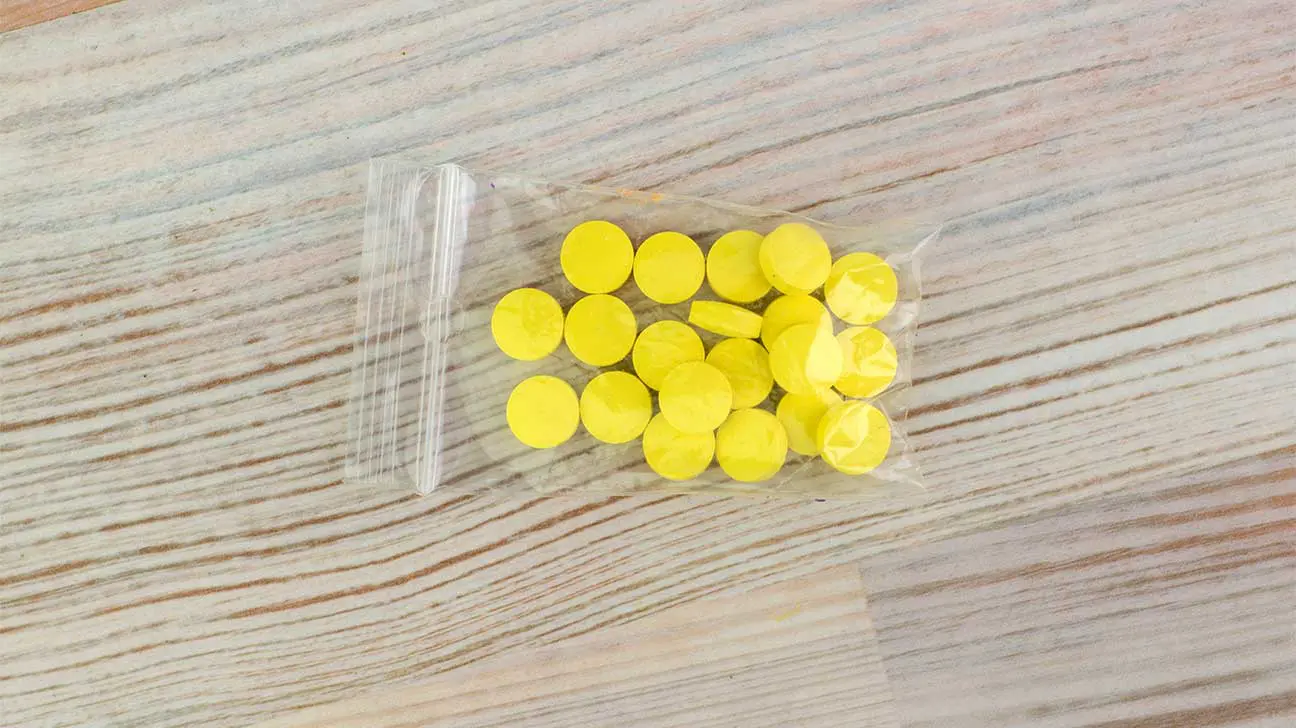
Ecstasy, also known as molly or MDMA, is a recreational “club drug.” Taking very high doses of ecstasy can be lethal, although fatal consequences from MDMA are uncommon. One single ecstasy pill usually contains about 80 to 125 milligrams (mg) of ecstasy. According to research, a lethal dose of ecstasy for humans is about 15 to 16 times the standard recreational dose.
Learn more about the lethal dose of commonly abused drugs.
Determining A Lethal Dose Of Ecstasy
The lethal dose of ecstasy is about 2 grams, or 2,000 mg, which is a very large amount compared to what people usually take. A single dose of ecstasy typically comes in pill or tablet form and contains much less than this deadly amount. However, the lethal dose can range between 10 to 16 times the average single dose, meaning that taking multiple pills at once or taking very strong pills can quickly become dangerous and potentially deadly.
Research shows that people who die from MDMA overdose have drug levels in their blood that are up to 40 times higher than what’s normally found in people using the drug recreationally. This happens when someone takes way too much at once, takes multiple doses too close together, or uses ecstasy that’s much stronger than expected. Because ecstasy pills sold on the street can vary wildly in strength and may contain other dangerous substances, it’s impossible for people to know exactly how much MDMA they’re actually taking, making overdose a serious risk.
Is Ecstasy Overdose Always Deadly?
Overdosing on ecstasy doesn’t always lead to death, and fatal MDMA overdoses are actually uncommon when people get medical help quickly. However, death from MDMA overdose can happen if someone takes too much ecstasy, mixes it with other dangerous drugs like alcohol or stimulants, or becomes severely dehydrated while using the drug. The biggest risks come from the drug’s effects on body temperature and heart rate, which can cause dangerous overheating, especially when people are dancing or in hot environments for long periods without drinking enough water.
What Factors Can Affect The Lethal Dose Of MDMA?
The lethal dose of a drug like MDMA can vary widely from person to person based on many different personal and biological factors. What might be a deadly amount for one person could be survivable for another person, which makes predicting safe doses nearly impossible.
Factors that can affect the lethal dose of MDMA include:
- Use of Other Drugs (including alcohol): mixing MDMA with alcohol, cocaine, stimulants, or other substances can dramatically increase the risk of overdose and death, as these combinations put extra stress on the heart and other vital organs
- Liver and Kidney Function: people with liver or kidney problems cannot process and remove MDMA from their bodies as effectively, causing the drug to build up to dangerous levels even with smaller amounts
- Drug Metabolism: some people naturally break down drugs faster or slower than others due to genetic differences, meaning the same dose can have very different effects on different people
- Drug Tolerance: regular MDMA users may need larger amounts to feel the same effects, but this tolerance doesn’t protect them from overdose and can actually make them more likely to take dangerous amounts
- Hydration: being dehydrated makes MDMA much more dangerous because the drug affects the body’s ability to regulate temperature, and dehydration can lead to deadly overheating
- Pre-Existing Health Conditions: heart problems, high blood pressure, mental health conditions, and other medical issues can make someone much more vulnerable to MDMA’s dangerous effects, even at lower doses
Taking a dose that’s lethal for one person may not be lethal for the next. If someone is experiencing serious symptoms after taking ecstasy, seeking medical attention is recommended.
Recognizing The Signs Of MDMA Overdose
MDMA overdose can be a serious medical emergency that requires immediate attention, even though severe cases are uncommon. Knowing how to recognize the warning signs can help save someone’s life, as getting medical help quickly greatly improves the chances of recovery. Serious cases of MDMA overdose are uncommon. If someone is showing severe overdose symptoms after taking ecstasy, seek medical attention immediately.
Signs of MDMA overdose can include:
- High Blood Pressure: the person’s blood pressure rises to dangerous levels, which can cause severe headaches, chest pain, difficulty breathing, and put them at risk for heart attack or stroke
- Panic Attacks: intense feelings of fear, terror, or doom that come on suddenly, often accompanied by rapid heartbeat, sweating, trembling, and feeling like they’re losing control or going to die
- Faintness: feeling lightheaded, dizzy, or like they’re about to pass out, which can happen when blood pressure drops suddenly or the heart isn’t pumping effectively
- Seizures: uncontrolled shaking or convulsions of the body that the person cannot stop, which can be life-threatening and indicates serious problems with brain function
- Loss of Consciousness: the person becomes unresponsive and cannot be woken up, which is a critical emergency requiring immediate medical care
Other serious symptoms can include dangerously high body temperature, rapid or irregular heartbeat, confusion, and difficulty breathing. Anyone showing these signs after taking MDMA needs emergency medical help right away, as these symptoms can quickly become life-threatening without proper treatment.
What To Do During An MDMA Overdose
An MDMA overdose can be life-threatening, particularly when the drug has been combined with alcohol, other stimulants, or substances laced with fentanyl. If any overdose symptoms are present, call 911 immediately and do not leave the person alone. Move the person away from loud music or bright lights if possible, as overstimulating environments can worsen symptoms.
While waiting for emergency help to arrive, try to keep the person cool, as dangerously high body temperature is one of the most serious risks associated with MDMA overdose. If the person is unconscious but breathing, place them on their side to prevent choking. Be ready to tell paramedics exactly what was taken, how much, and whether any other substances were involved. If there is any chance fentanyl may be present, administer naloxone if it is available
Addiction Resource aims to provide only the most current, accurate information in regards to addiction and addiction treatment, which means we only reference the most credible sources available.
These include peer-reviewed journals, government entities and academic institutions, and leaders in addiction healthcare and advocacy. Learn more about how we safeguard our content by viewing our editorial policy.
- American Scientist—The Toxicology of Recreational Drugs
https://www.americanscientist.org/sites/americanscientist.org/files/200645104835_307.pdf - Drug Policy Alliance—Can you overdose on MDMA?
https://drugpolicy.org/drug-fact/all-other-drugs/ - Journal of Psychoactive Drugs—Acute Toxic Effects of Club Drugs
https://rgable.wordpress.com/wp-content/uploads/2012/02/j-psychoactive-pdf.pdf - U.S. National Institute on Drug Abuse (NIDA)—MDMA (Ecstasy) Abuse: Research Report
https://nida.nih.gov/sites/default/files/rrmdma_0.pdf