
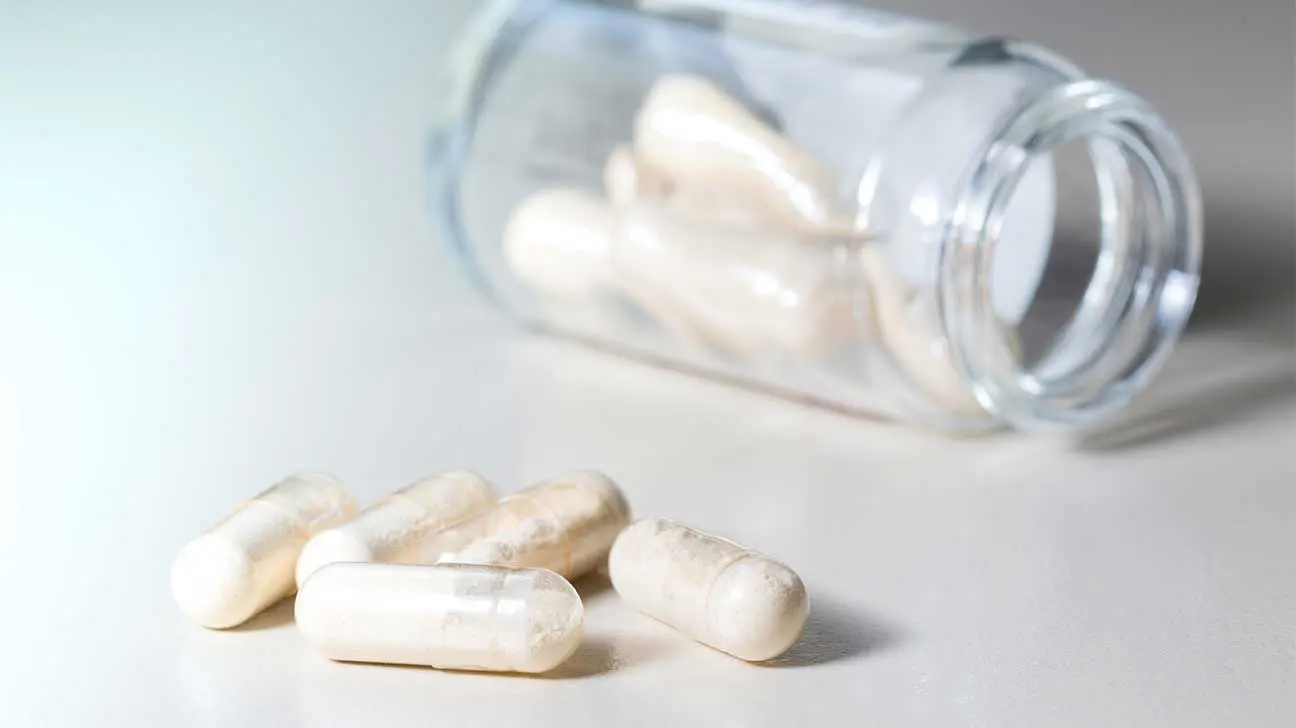
The lethal dose of Seconal (secobarbital) ranges between 2,000 milligrams (mg) to 10,000 milligrams (mg). Toxic effects of Seconal can occur after taking 1,000 mg.
Seconal is prescribed in the form of 100 mg tablets. The recommended dose of Seconal is no more than 100–300 mg a day.
Secobarbital is a powerful sedative belonging to a class of medications known as barbiturates.
Taking higher doses of Seconal than prescribed, or mixing it with high doses of other depressants, can have serious health consequences, including drug overdose and death.
Learn more about the lethal dose of commonly abused drugs
Factors That Can Affect The Lethal Dose Of Seconal
Seconal can be toxic in very high doses when taken alone, or with other drugs. Taking high doses of Seconal with other depressants can be dangerous and is a known risk factor for overdose.
Common depressant drugs include:
- other barbiturates
- benzodiazepines (e.g. Xanax, Klonopin)
- alcohol
- opioids (e.g. heroin, Vicodin)
Children and elderly adults can be at risk for overdose in smaller doses than the average person. Additional risk factors include impaired liver or kidney function and low body weight.
What Are The Signs Of Seconal Overdose?
Knowing the signs of Seconal overdose can be life-saving. Signs of overdose can occur within 15 minutes of use. If someone is showing signs of overdose, seek medical attention.
Signs and symptoms of Seconal overdose include:
- slowed breathing
- no breathing
- low body temperature
- low blood pressure
- blisters
- nausea
- coma
Without treatment, complications of Seconal overdose can include kidney failure, congestive heart failure, cardiac arrhythmias, pulmonary edema, and death.
Can Seconal Abuse Increase Your Risk Of Fatal Overdose?
Seconal is known to be addictive. This is a higher risk with chronic use or when used in any way other than prescribed by a doctor.
Seconal overdose can be a sign of drug abuse and addiction, and the more you abuse Seconal, the greater your risk of overdose.
If someone has overdosed on Seconal, substance abuse treatment may be recommended.
Call To Find Treatment For Seconal Addiction Today
Seconal overdose is a life-threatening condition that can indicate a drug problem or an underlying mental health condition. Without treatment, this can be fatal.
Overcoming drug abuse and addiction is possible. Call our helpline today to find secobarbital addiction treatment options for yourself or a loved one.
Addiction Resource aims to provide only the most current, accurate information in regards to addiction and addiction treatment, which means we only reference the most credible sources available.
These include peer-reviewed journals, government entities and academic institutions, and leaders in addiction healthcare and advocacy. Learn more about how we safeguard our content by viewing our editorial policy.
- U.S. National Library of Medicine: DailyMed—seconal sodium
https://dailymed.nlm.nih.gov/dailymed/drugInfo.cfm?setid=6698bc44-b971-49cc-a5de-11e569493c59 - U.S. National Library of Medicine: MedlinePlus—Secobarbital
https://medlineplus.gov/druginfo/meds/a682386.html - U.S. National Library of Medicine: NCBI Bookshelf—Barbiturate Toxicology
https://www.ncbi.nlm.nih.gov/books/NBK499875/