
What Is A Lethal Dose Of Zoloft?

Medically Reviewed by Johnelle Smith, M.D.

Updated on March 31, 2026

Zoloft (sertraline) is a common antidepressant drug. Fatal overdose from taking high doses of Zoloft alone is uncommon, but it can occur.

Looking for Addiction or Mental Health Treatment?

AddictionResource.net is an advertising-supported site. Ads on this site are from companies that compensate us and are always clearly identified. This compensation does not influence our facility rankings, resource guides, or other editorially-independent information published on this site.

Learn More About Our Advertisers

At Recovery Guide, our mission is to connect as many individuals struggling with mental health and substance abuse disorders to reputable treatment facilities.

To achieve this goal, we set strict guidelines for our editorial team to follow when writing about facilities and utilize behavioral healthcare experts to review medical content for accuracy.

While we receive compensation in the form of paid advertisements, these advertisements have absolutely no impact on our content due to our editorial independence policy.

Zoloft, the brand name for the drug sertraline, is a prescription medication used to treat depression. It has a low potential for abuse and is non-addictive.

Taking extremely high doses of Zoloft can be fatal, although this is very rare. Overdosing on Zoloft may be a sign of a drug problem or an underlying mental health condition that hasn’t been diagnosed.

Learn more about the fatal dose of commonly abused drugs.

Is Zoloft Overdose Common?

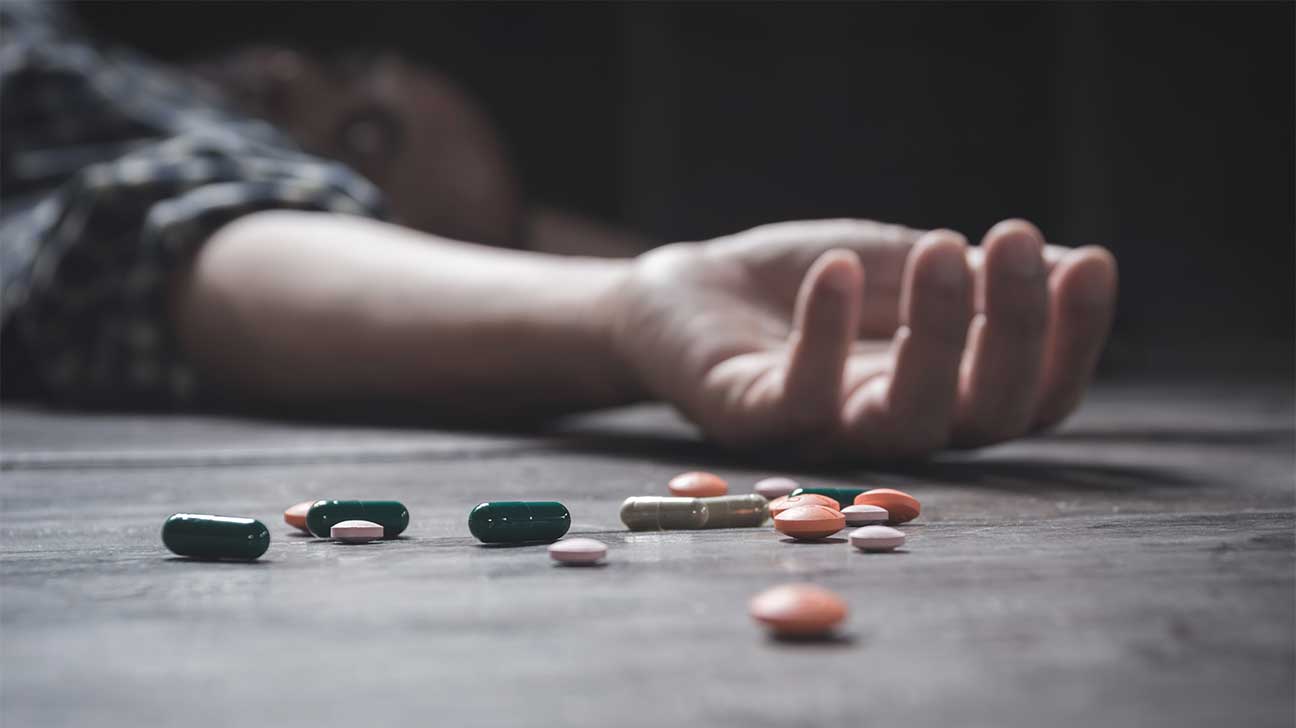
Overdosing on Zoloft, much less dying from a Zoloft overdose, is very uncommon. The lowest fatal dose of Zoloft reported involved the ingestion of 750 milligrams (mg). Additional research, however, has documented patients recovering from Zoloft overdose after taking as much as 4,000 mg.

For comparison, the starting dose of Zoloft for major depression is 50 mg. Taking higher doses than prescribed, or mixing Zoloft with other drugs recreationally, is not recommended.

Factors That Affect Zoloft Overdose Risk

While Zoloft overdoses can be dangerous, they are rarely fatal when treated promptly with proper medical care. According to Pfizer, the drug company that manufactures Zoloft, only about 10 percent of total reported Zoloft overdoses proved fatal, which means the vast majority of people who overdose on this antidepressant survive with appropriate treatment. However, there are certain factors that can significantly increase the risk of serious complications or death from a Zoloft overdose.

Risk factors for serious Zoloft overdose include:

  • Taking Excessive Zoloft Doses: consuming large amounts of Zoloft, particularly doses many times higher than what’s prescribed, dramatically increases the risk of severe toxic effects including serotonin syndrome, seizures, and heart rhythm problems
  • Drinking Alcohol With High Doses: combining alcohol with large amounts of Zoloft enhances the sedating effects of both substances and can lead to dangerous drops in blood pressure, breathing problems, and loss of consciousness
  • Taking Other Depressants: using Zoloft overdoses alongside other medications that slow the central nervous system, such as benzodiazepines, opioids, or sleep aids, can cause life-threatening respiratory depression and coma
  • Thoughts of Suicide: people experiencing active suicidal thoughts are at higher risk because they may intentionally take larger amounts with the goal of self-harm, and may be less likely to seek help quickly
  • History of Suicide Attempts: previous suicide attempts indicate a pattern of self-harm behavior that increases the likelihood of using medication overdoses as a method of self-injury
  • History of Substance Abuse: People with addiction problems may have compromised health from other drug use, making them more vulnerable to the toxic effects of Zoloft, and they’re also more likely to combine multiple substances dangerously

People with multiple risk factors require closer monitoring and may need additional safety measures when prescribed Zoloft. If someone you know has several of these risk factors and access to Zoloft, it’s important to watch for warning signs of overdose.

Understanding The Signs Of Zoloft Overdose

Zoloft overdose symptoms are typically mild and are unlikely to cause lasting or serious harm.

Signs and symptoms of Zoloft overdose might include:

  • sleepiness
  • nausea
  • vomiting
  • diarrhea
  • very slow or fast heart rate
  • tremors
  • dizziness
  • confusion
  • dilated pupils
  • mania
  • hallucinations
  • delusions
  • coma

If someone is experiencing serious symptoms after taking a very high dose of Zoloft, or mixing it with other depressants, seek medical attention.

Serotonin Syndrome And Zoloft Overdose

One of the most serious complications of a Zoloft overdose is serotonin syndrome, a potentially life-threatening condition caused by too much serotonin activity in the brain. This can happen when someone takes an excessively high dose of Zoloft or combines it with other substances that also affect serotonin levels, such as certain antidepressants or illicit drugs like MDMA. Symptoms can develop quickly and range from mild agitation and rapid heart rate to severe complications like high fever, seizures, and loss of consciousness.

Serotonin syndrome is a medical emergency that requires immediate attention. If you suspect someone is experiencing it after taking Zoloft or combining it with other substances, call 911 right away and do not wait for symptoms to improve on their own.

How To Help Someone Overdosing On Zoloft

In the event of a Zoloft overdose, the most important thing to do is call 911 immediately and stay with the person until help arrives. Do not try to make the person vomit or give them anything to eat or drink, as this could make the situation worse or cause choking if they’re not fully conscious. Keep the person awake and talking if possible, and if they become unconscious, place them on their side to prevent choking on vomit.

When emergency responders arrive, provide them with as much information as possible about what happened, including how much Zoloft was taken, when it was taken, and whether any other substances like alcohol or other medications were involved. If you have the medication bottle or packaging, bring it with you to the hospital so medical staff can see the exact dosage and formulation. With prompt medical care, most people will have a good chance at survival after overdosing on Zoloft.

Reach out to the Substance Abuse and Mental Health Services Administration (SAMHSA) for more information about addiction treatment programs.

This page does not provide medical advice. See more

Addiction Resource aims to provide only the most current, accurate information in regards to addiction and addiction treatment, which means we only reference the most credible sources available.

These include peer-reviewed journals, government entities and academic institutions, and leaders in addiction healthcare and advocacy. Learn more about how we safeguard our content by viewing our editorial policy.

  • Was this Helpful?
  • YesNo
Get Help Today
(844) 994-1177
Addiction Resource Logo