
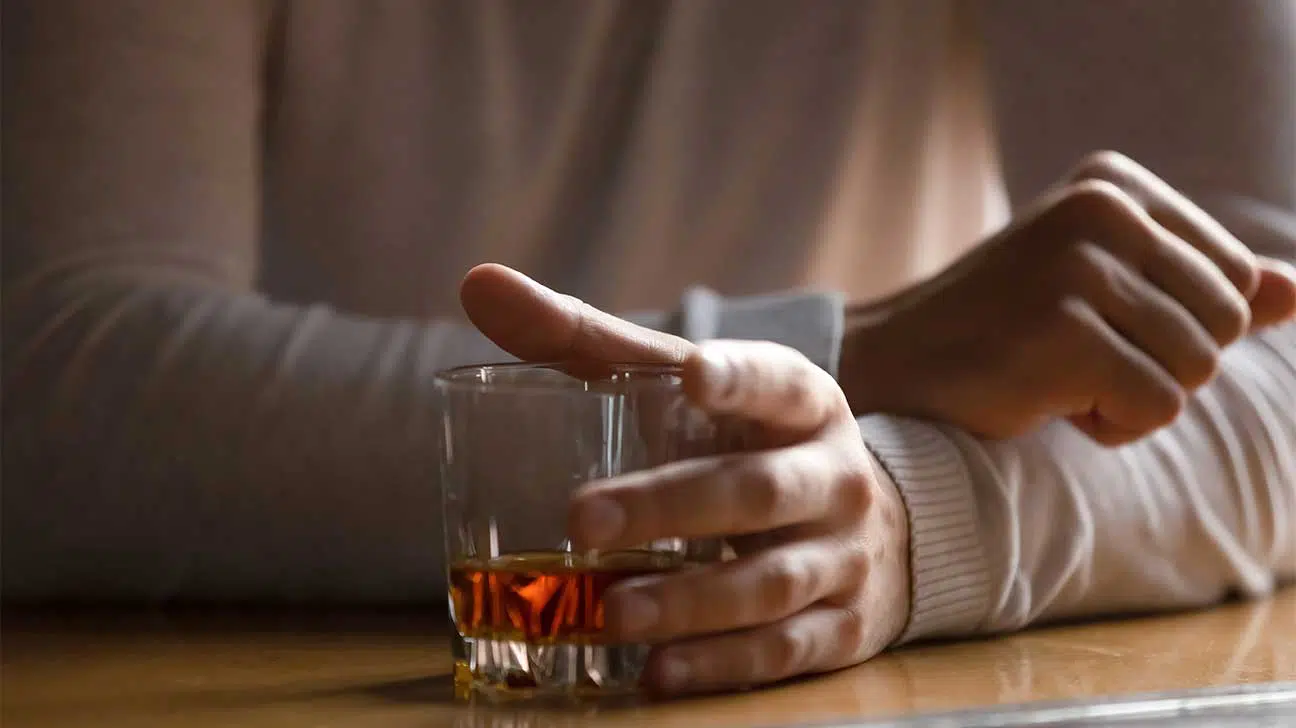
Treating alcohol use disorder with Vivitrol (naltrexone) requires that a person be alcohol-free before receiving their first injection of Vivitrol.
Consuming alcohol while taking Vivitrol is not recommended, but the data is mixed on what outcomes can occur when a person is taking Vivitrol and drinking alcohol.
Find out more about the benefits of taking Vivitrol
How Vivitrol Is Used To Treat Alcohol Use Disorder
Taking naltrexone has been correlated with a decrease in alcohol consumption in individuals in treatment for alcoholism, according to the U.S. Food & Drug Administration.
Alcohol causes the release of natural endorphins, which activates opioid receptors in a Vivitrol-free brain. Constant activation of opioid receptors is thought to play a role in euphoria and addiction development.
Vivitrol blocks opioid receptors in the brain, which prevents them from fully activating. Opioid receptors are activated by drugs containing opioids (heroin, morphine) or natural endorphins.
While the interaction between naltrexone and decrease in alcohol consumption is not clearly understood, Vivitrol has been found to be a supportive addition to an alcohol abuse treatment program.
Taking Vivitrol And Drinking Alcohol
A person can still become impaired from alcohol while on Vivitrol. Vivitrol does not make a person sick if they drink alcohol, nor does it make the physical effects of alcohol go away.
Some of the effects of drinking alcohol while on Vivitrol include:
- impaired reasoning
- slowed thinking
- poor judgment
- uncoordinated
- decrease in response time
However, because the person no longer experiences the euphoria associated with the link between alcohol intake, endorphin release, and opioid receptor activation, a person may also feel less of an urge to drink.
Does Vivitrol Cure AUD?
There is no evidence to support that Vivitrol injections can cure alcohol abuse or alcoholism.
Vivitrol has been shown to reduce the number of days a person engages in heavy drinking (more than eight drinks per week for women, more than 15 for men).
Vivitrol can help reduce the urge to drink but should be used as part of a comprehensive substance abuse treatment program that includes counseling.
Vivitrol should not be used as a replacement for addiction treatment services, and should not be considered a solution for problems associated with alcohol abuse (work or family problems, health deterioration).
Vivitrol And Substance Abuse Treatment
Our helpline is staffed with addiction treatment specialists who can help answer questions about rehabilitation from drugs and alcohol.
Reach out to us today and allow us to provide assistance to you or your loved one.
Addiction Resource aims to provide only the most current, accurate information in regards to addiction and addiction treatment, which means we only reference the most credible sources available.
These include peer-reviewed journals, government entities and academic institutions, and leaders in addiction healthcare and advocacy. Learn more about how we safeguard our content by viewing our editorial policy.
- Centers for Disease Control and Prevention — Alcohol and Public Health
https://www.cdc.gov/alcohol/faqs.htm#:~:text=For%20men%2C%20heavy%20drinking%20is,drinks%20or%20more%20per%20week. - U.S. Food & Drug Administration — Vivitrol Package Insert
https://www.accessdata.fda.gov/drugsatfda_docs/label/2006/021897lbl.pdf - Therapeutics and Clinical Risk Management — Naltrexone long-acting formulation in the treatment of alcohol dependence
https://www.ncbi.nlm.nih.gov/pmc/articles/PMC2376083/