Drug and Alcohol Rehabs in North Carolina

North Carolina faces ongoing challenges with fentanyl-related overdoses and polysubstance use, while excessive alcohol consumption causes thousands of deaths annually. Co-occurring mental health conditions, including depression and anxiety disorders, further complicate substance use and highlight the need for integrated addiction and mental health treatment. The 56 rehab centers in North Carolina listed here can help people find the appropriate care.

Browse North Carolina by city, county & A–Z

57 Detox & Rehab Center Results in North Carolina

How we sort

How we sort results

Providers who have completed our verified listing process appear first. These providers have submitted documentation including a current state license, direct contact information, and facility-reviewed profile details to help ensure the information you see is current and accurate.

Providers pay a fee to participate in this process. This compensation, along with profile completeness and relevance to your search, influences the order in which results appear.

All other providers are listed based on available public information and may not have been reviewed for accuracy.

Outpatient/Intensive Outpatient (IOP)

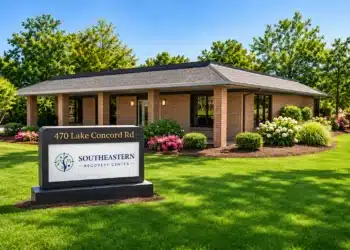
470 Lake Concord Rd NE, Concord, North Carolina 28025

Southeastern Recovery Center

4.9 (294 reviews) Insurance accepted
  • Outpatient/Intensive Outpatient (IOP)
  • Sober Living Homes
  • Aftercare Support
  • Partial Hospitalization (PHP)
  • Medication-Assisted Treatment (MAT)
  • Mental Health PHP and IOP
  • Outpatient
  • Intensive Outpatient (IOP)
  • Online Therapy

Southeastern Recovery Center provides a supportive, highly personalized approach to addiction treatment. The family-run rehab center was founded by people in recovery themselves, giving the team firsthand experience with what it takes…

  • Founded By People In Recovery & Family-Run
  • Deliberately Small, Boutique Setting
  • Highly Individualized Addiction Care
Inpatient/Residential

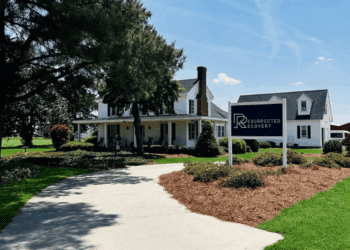
8414 NC-903 N Ayden, Ayden, North Carolina 28513

Resurrected Recovery

5.0 (17 reviews) Insurance accepted
  • Inpatient/Residential

Resurrected Recovery is a faith-based, 28-day residential program for adult men located in Ayden, North Carolina, offering transitional support for those who are medically stable following detox. The program includes services such…

  • Non-Denominational Faith-Based Care
  • Life Skills Training
  • Transportation Provided
Addiction Recovery Care Association

5755 Shattalon Dr, Winston-Salem, North Carolina 27105

Addiction Recovery Care Association

  • Inpatient/Residential
  • Medical Detoxification
  • Aftercare Support
  • Outpatient

Addiction Recovery Care Association, widely known as ARCA, is a nonprofit organization that has provided addiction treatment to adults with alcohol and drug addictions since 1969. Its continuum of care spans medically…

Addiction Recovery Center for Men

1020 County Home Rd, Henderson, North Carolina 27536

Addiction Recovery Center for Men

  • Inpatient/Residential
  • Sober Living Homes
  • Aftercare Support

Addiction Recovery Center for Men offers 24-hour supervised residential recovery for adult men with substance use disorders. Within a structured, substance-free environment, residents work toward sobriety while gradually rebuilding daily routines, independence,…

Anuvia Prevention And Recovery Center

100 Billingsley Rd., Charlotte, North Carolina 28211

Anuvia Prevention And Recovery Center

4.3 (178 reviews)
  • Outpatient/Intensive Outpatient (IOP)
  • Medical Detoxification
  • Aftercare Support
  • Medication-Assisted Treatment (MAT)

Since 1958, Anuvia Prevention and Recovery Center has supported people in Charlotte with substance use and mental health care. Today, the organization serves adults, adolescents, and families as a Certified Community Behavioral…

Atrium Health Mercy

2001 Vail Avenue, Charlotte, North Carolina 28207

Atrium Health Mercy

  • Inpatient/Residential
  • Medical Detoxification
  • Aftercare Support

Atrium Health Mercy provides inpatient detox for adults aged 18 and older who are recovering from alcohol or drug addiction. The program may be especially helpful for patients who also have medical…

Black Mountain Substance Abuse Treatment Center For Women

741 Old U.S. Hwy. 70, Swannanoa, North Carolina 28778

Black Mountain Substance Abuse Treatment Center For Women

4.4 (18 reviews)
  • Inpatient/Residential
  • Outpatient/Intensive Outpatient (IOP)
  • Medical Detoxification
  • Aftercare Support
  • Partial Hospitalization (PHP)
  • Medication-Assisted Treatment (MAT)

Located in the mountains near Asheville, Black Mountain helps justice-involved women build a foundation for recovery. Treatment draws on Stephanie Covington’s trauma work and cognitive-behavioral methods.

Changing Tides

3512 N. Virginia Dare Trail, Kitty Hawk, North Carolina 27949

Changing Tides

4.6 (51 reviews)
  • Inpatient/Residential
  • Outpatient/Intensive Outpatient (IOP)
  • Partial Hospitalization (PHP)

Just steps from the beach in Kitty Hawk, Changing Tides offers a supportive setting where residential living and clinical care are available on the same Outer Banks campus. Patients can participate in…

Charlotte Rescue Mission Dove's Nest

2855 West Boulevard, Charlotte, North Carolina 28208

Charlotte Rescue Mission Dove's Nest

  • Inpatient/Residential
  • Aftercare Support

Dove’s Nest has supported women in recovery since 1992 and now operates a 120-bed facility in West Charlotte. The program offers a structured, Christian-centered environment where women can focus on recovery and…

Charlotte Rescue Mission Rebound

915 W. 1st Street, Charlotte, North Carolina 28202

Charlotte Rescue Mission Rebound

  • Inpatient/Residential

Charlotte Rescue Mission’s Rebound program offers residential recovery support for men in a structured, supportive setting. Originally launched in 1990 as a 90-day program, Rebound now follows a 120-day phased approach and…

Cone Health Behavioral Health Hospital

700 Walter Reed Dr, Greesboro, North Carolina 27403

Cone Health Behavioral Health Hospital

  • Inpatient/Residential
  • Outpatient/Intensive Outpatient (IOP)
  • Aftercare Support
  • Partial Hospitalization (PHP)

Cone Health Behavioral Health Hospital is an 80-bed inpatient facility treating mental health conditions, substance use disorders, and co-occurring disorders. Its patient population spans children, adolescents, adults, and older adults, with programming…

Daymark Recovery Services Caiyalynn Burrell Child Crisis Center

277 Biltmore Avenue, Asheville, North Carolina 28801

Daymark Recovery Services Caiyalynn Burrell Child Crisis Center

  • Inpatient/Residential
  • Mental Health Residential

The Caiyalynn Burrell Child Crisis Center provides 24-hour residential support for children and teens ages 6 to 17 who are experiencing a mental health or substance use crisis. Operated by Daymark Recovery…

Daymark Recovery Services Facility Based Crisis

284 Executive Park Dr. NE, Concord, North Carolina 28025

Daymark Recovery Services Facility Based Crisis

  • Inpatient/Residential
  • Medical Detoxification
  • Aftercare Support
  • Medication-Assisted Treatment (MAT)

Daymark Recovery Services operates the Cabarrus Facility Based Crisis Center, offering around-the-clock, short-term care for adults facing mental health or substance use emergencies. The center’s offerings span crisis intervention, medication stabilization, medically…

Daymark Recovery Services

1104-B S. Main St., Lexington, North Carolina 27292

Daymark Recovery Services

  • Inpatient/Residential
  • Medical Detoxification
  • Aftercare Support
  • Medication-Assisted Treatment (MAT)

Daymark Recovery Services – Davidson County Facility Based Crisis provides short-term residential crisis care for adults facing an acute mental health or substance use crisis. Within its 16-bed facility, patients receive 24-hour…

Daymark Recovery Services Facility Based Crisis/Iredell

524 Signal Hill Dr Ext, Statesville, North Carolina 28625

Daymark Recovery Services Facility Based Crisis/Iredell

  • Inpatient/Residential
  • Medical Detoxification
  • Aftercare Support
  • Medication-Assisted Treatment (MAT)

Daymark Recovery Services’ Iredell Facility Based Crisis program provides short-term, around-the-clock care for adults navigating mental health or substance use emergencies. Its services include crisis intervention, medication adjustment and stabilization, medically supervised…

Daymark Recovery Services Facility Based Crisis - Union County

1408 E Franklin St, Monroe, North Carolina 28112

Daymark Recovery Services Facility Based Crisis - Union County

  • Inpatient/Residential
  • Medical Detoxification
  • Aftercare Support
  • Medication-Assisted Treatment (MAT)

Daymark Recovery Services’ Union County Facility Based Crisis unit delivers short-term, around-the-clock stabilization for adults in mental health or substance use crisis. With 16 beds, the program covers crisis assessment, therapy, medication…

Daymark Recovery Services Guilford Residential Treatment Center

5209 West Wendover Avenue, High Point, North Carolina 27265

Daymark Recovery Services Guilford Residential Treatment Center

  • Inpatient/Residential
  • Aftercare Support
  • Medication-Assisted Treatment (MAT)

Guilford Residential Treatment Center provides 24-hour residential care for adults working through substance use disorders. The 56-bed facility offers both high- and low-intensity treatment in a structured setting, allowing patients to receive…

Easterseals PORT Health Ahoskie Facility-Based Crisis Center

144 Community College Road, Ahoskie, North Carolina 27910

Easterseals PORT Health Ahoskie Facility-Based Crisis Center

  • Inpatient/Residential
  • Medical Detoxification
  • Medication-Assisted Treatment (MAT)

The Ahoskie Facility-Based Crisis Center, operated by Easterseals PORT Health, provides 24/7 support for adults experiencing a mental health or substance use crisis. The center offers a community-based alternative to hospitalization, with…

Easterseals PORT Health Teen Residential Program

Greenville, North Carolina

Easterseals PORT Health Teen Residential Program

  • Inpatient/Residential

Easterseals PORT Health’s Teen Residential Program provides 24-hour supervised treatment for adolescents ages 13 to 17.5 who need a higher level of support for substance use disorder. The program may be appropriate…

Easterseals PORT Health Washington Facility-Based Crisis Center

1379 Cowell Farm Road, Washington, North Carolina 27889

Easterseals PORT Health Washington Facility-Based Crisis Center

  • Inpatient/Residential
  • Medical Detoxification
  • Medication-Assisted Treatment (MAT)

The Washington Facility-Based Crisis Center, operated by Easterseals PORT Health, provides 24/7 support for adults experiencing a mental health or substance use crisis. The center offers a community-based alternative to hospitalization, with…

Showing 20 of 57

Finding Addiction Care In North Carolina

Finding an addiction treatment center in North Carolina often begins with identifying a program that meets the person’s medical needs, recovery goals, and personal circumstances, including how they plan to pay for treatment.

A clinical assessment can help determine the appropriate level of care based on substance use history, withdrawal risks, physical health, and any co-occurring mental health conditions. People who need medical supervision during withdrawal or have complex health concerns may require a higher level of care than those who can safely attend outpatient treatment.

North Carolina offers a range of addiction treatment services, including medical detox, residential rehab, outpatient counseling, intensive outpatient programs (IOP), medication-assisted treatment (MAT), and ongoing recovery support. Some programs also provide specialized services for veterans, pregnant women, adolescents, and other groups.

When exploring treatment centers, consider factors such as the substances treated, available therapies, staff qualifications, program accreditation, and insurance coverage. North Carolina continues to face challenges involving fentanyl-related overdoses and polysubstance use, while alcohol misuse and co-occurring mental health conditions also contribute to the need for accessible treatment.

Contacting facilities directly can help confirm program availability, admission requirements, and insurance benefits before treatment begins.

Where To Look For Rehab Centers In North Carolina

North Carolina’s treatment resources are spread across a large geographic area, and availability can vary between metropolitan centers and rural communities. Charlotte, Raleigh, Durham, Greensboro, and Asheville offer a range of behavioral health and addiction treatment services, while residents in smaller towns may need to travel to access residential programs, medical detox, or specialized care.

Consider the following regions and cities when searching for addiction treatment in North Carolina:

  • Western North Carolina: Asheville, Hendersonville, Boone, Hickory, Morganton, and Cherokee
  • Central North Carolina: Raleigh, Durham, Chapel Hill, Cary, Sanford, and Fayetteville
  • Piedmont Triad: Greensboro, Winston-Salem, High Point, Burlington, and Asheboro
  • Charlotte Region: Charlotte, Concord, Gastonia, Statesville, and Monroe
  • Eastern North Carolina: Greenville, New Bern, Jacksonville, Goldsboro, and Rocky Mount
  • Coastal North Carolina: Wilmington, Morehead City, Elizabeth City, and Jacksonville

Not every county has a facility offering every level of addiction care. People who cannot find an appropriate program nearby may consider treatment elsewhere in the state, ask facilities about transportation assistance, or explore telehealth services when clinically appropriate.

North Carolina residents who are uninsured or need help finding local behavioral health services can contact their county’s Local Management Entity/Managed Care Organization (LME/MCO). These organizations coordinate certain mental health and substance use services for Medicaid beneficiaries, uninsured residents, and people whose insurance does not cover all the care they need. 

Members of the Eastern Band of Cherokee Indians and other eligible individuals may also wish to explore the Eastern Band of Cherokee Indians (EBCI) Tribal Option and local tribal health resources.

Addiction Treatment: The Basics

Addiction treatment can involve several levels of care and individual treatments, depending on the severity of substance use, withdrawal risks, and a person’s overall health and support system. Understanding these options can help individuals and families make informed decisions.

Medical detox provides supervision and symptom management during withdrawal. Because withdrawal from alcohol and certain other substances can cause serious complications, medical guidance is important when determining whether detoxification requires professional supervision. North Carolina operates two state Alcohol and Drug Abuse Treatment Centers (ADATCs) that provide short-term, medically monitored detoxification and crisis stabilization for adults, including people with co-occurring mental health conditions. Admission is available regardless of financial resources or insurance status, although referrals are coordinated through community providers or the appropriate LME/MCO.

Residential treatment provides a structured living environment where patients participate in therapy, recovery education, and other clinical services. This setting may benefit people who need intensive support, ongoing supervision, or distance from environments associated with substance use.

Outpatient programs allow patients to attend scheduled treatment sessions while continuing to live at home. Intensive outpatient programs offer more frequent services than standard outpatient counseling, while partial hospitalization programs provide a higher level of structured daytime care without requiring an overnight stay.

Medication-assisted treatment (MAT) combines appropriate medications with counseling and other support to treat certain substance use disorders, including opioid and alcohol use disorders. North Carolina also has opioid treatment programs that provide medications for opioid use disorder, including methadone and buprenorphine, along with counseling, case management, and peer support.

Patients may also benefit from dual diagnosis treatment when a substance use disorder occurs alongside depression, an anxiety disorder, PTSD, or another mental health condition. This can be particularly important in North Carolina, where state data show that about one in four people who died from an overdose in 2023 had a documented mental health disorder.

Finding A North Carolina Rehab Center

Choosing an addiction treatment center involves more than finding a convenient location. The right program should provide appropriate clinical care while considering personal circumstances, family responsibilities, and recovery goals.

Start by identifying the type of treatment needed. People experiencing potentially dangerous withdrawal symptoms may need medical evaluation, while others may be able to begin with residential or outpatient services. A professional assessment can help clarify these needs.

Next, consider whether the program treats the substance or substances involved and offers support for any co-occurring health conditions. In North Carolina, fentanyl and polysubstance use remain major overdose concerns. Alcohol misuse also contributes substantially to preventable deaths and emergency department visits across the state. Ask about individual and group therapy, medication options, specialized services, and the availability of medical staff.

Practical considerations matter, too. Location, transportation, visitation policies, living arrangements, scheduling, and payment options can influence whether a person can participate consistently. People in rural areas may need to ask about transportation or remote counseling options.

Before enrolling, contact the facility to discuss admission requirements, insurance verification, expected treatment duration, available services, and discharge planning. It is also helpful to ask how the program coordinates continuing care after the initial treatment period.

Paying For Rehab In North Carolina

The cost of addiction treatment in North Carolina depends on the level of care, length of treatment, services provided, and whether a facility accepts the patient’s insurance. Checking coverage and requesting a cost estimate before admission can help patients and families prepare financially.

Private health insurance may cover some or all of the cost of medically necessary addiction treatment, depending on the policy, provider network, and plan requirements. Contact the insurance company and treatment facility to verify benefits, deductibles, copayments, coinsurance, and any prior authorization requirements.

North Carolina’s Medicaid program, NC Medicaid, provides health coverage to eligible residents. NC Medicaid covers a range of behavioral health and substance use disorder services, including outpatient treatment, withdrawal management, intensive outpatient care, and certain residential services. Coverage depends on eligibility, medical necessity, the member’s plan, and applicable service requirements. Patients should confirm that a facility accepts their specific NC Medicaid plan and that the recommended services are covered.

People with serious mental illness, severe substance use disorders, or certain other complex needs may qualify for an NC Medicaid Tailored Plan. These plans provide additional behavioral health services and care coordination.

Other options may include Medicare for eligible individuals, TRICARE for qualifying military-connected patients, and employer-sponsored insurance. Some treatment providers also offer sliding-scale fees, payment plans, or other financial assistance based on income and eligibility.

State-funded programs and community behavioral health providers may offer reduced-cost or even free addiction treatment in North Carolina to eligible individuals. Each county has an LME/MCO that can help connect uninsured residents and people with limited coverage to available services. Patients can contact their local organization to ask about treatment options, eligibility, and financial assistance.

Comparing Rehab Centers In North Carolina

Comparing several treatment centers can help patients and families identify a program that meets their clinical needs, financial circumstances, and personal preferences.

Important factors to evaluate include:

  • Clinical assessments: Does the program evaluate each patient’s needs before recommending a level of care?
  • Treatment services: Are medical detox, residential care, outpatient services, MAT, CBT, or dual diagnosis treatment available when needed?
  • Staff qualifications: Are licensed and appropriately trained professionals involved in treatment and supervision?
  • Licensing and accreditation: Does the facility maintain required state licenses and any relevant independent accreditation?
  • Individualized care: Are treatment plans tailored to patients’ circumstances, goals, and progress?
  • Cost and insurance: Does the facility accept the patient’s insurance, explain expected expenses, and offer financial assistance when available?
  • Admission availability: Is there an opening, or is there a waiting list? What support is available while waiting?
  • Continuing care: Does the program help patients transition to outpatient services, peer support groups, or other recovery resources?

Patient reviews and testimonials can provide additional perspectives, but they should be considered alongside licensing information, clinical services, and other reliable details. It is also worth asking how the facility measures progress and responds when a patient’s treatment needs change.

Ultimately, the best treatment center is one that can provide an appropriate level of care, offers a safe and supportive environment, and helps patients prepare for recovery beyond the initial program.

Explore Treatment Options in North Carolina

Best Rehab Centers in North Carolina

All facilities in North Carolina 57

A 4 facilities

B 1 facility

C 4 facilities

D 6 facilities

E 3 facilities

F 8 facilities

H 4 facilities

I 1 facility

J 1 facility

M 2 facilities

N 3 facilities

O 1 facility

P 2 facilities

R 7 facilities

S 4 facilities

T 4 facilities

U 1 facility

W 1 facility