

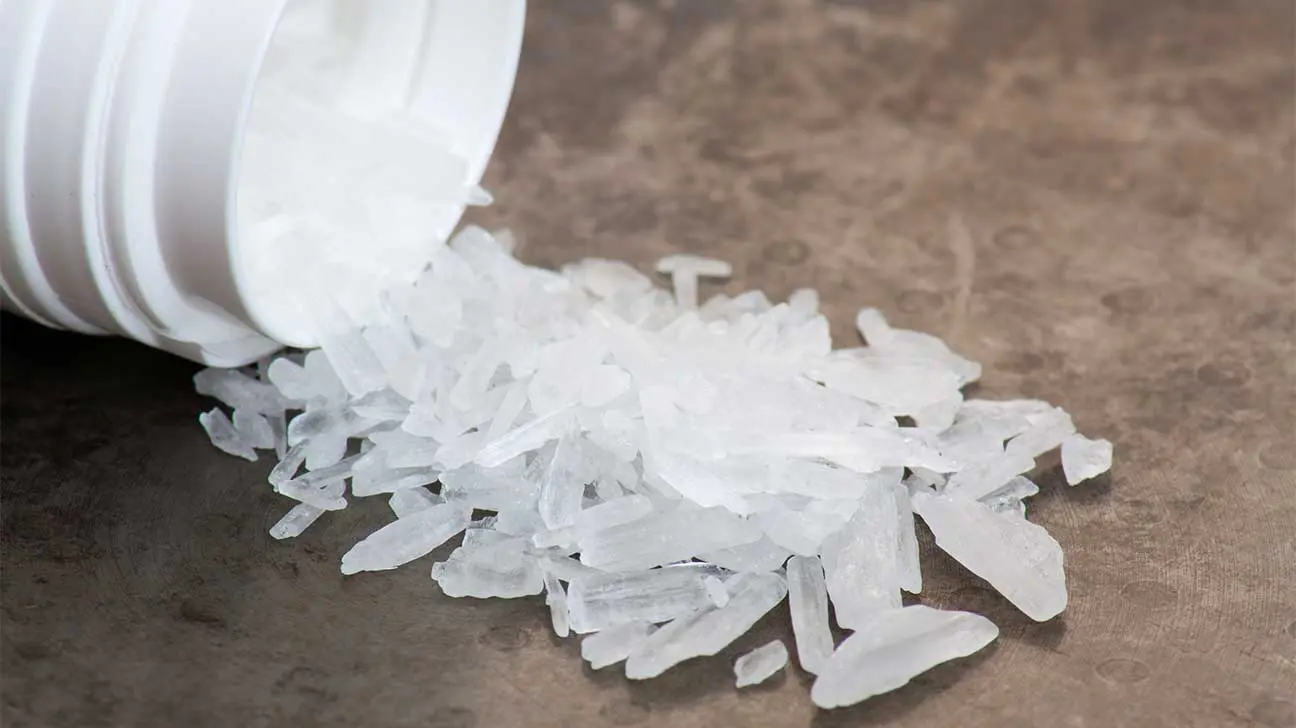
Crystal methamphetamine, also known as meth, is one of the most commonly abused drugs. One of the ways that crystal meth can be abused is by rectal administration, also known as plugging.
Plugging crystal meth can cause a range of dangerous side effects and health consequences, including long-lasting damage to the bowels, infections, and drug addiction.
What Does Plugging Mean?
Plugging is a term that is used to describe the insertion of substances like crystal meth into the rectum. This route of administration is sometimes referred to as “booty bumping,” rectal use, or rectal administration.
Drugs that are sometimes plugged include:
- Adderall (amphetamine/dextroamphetamine)
- methamphetamine
- alcohol
- MDMA/ecstasy
Crystal meth is an illicit substance, meaning it is illegal for recreational use in the United States. Both prescription drugs and illicit drugs can be plugged to achieve desired effects.
Why Do People Plug Crystal Meth?
Methamphetamine can be used in a variety of ways, including by intravenous injection, insufflation (snorting), inhalation, and smoking. The reason why someone chooses to take meth rectally can vary from person to person.
Reducing Harm Of Meth Use
When using proper techniques for rectal use, plugging meth has been described by some harm reduction advocates as a way to use meth without developing track marks or abscesses seen among people who inject meth.
Rectal administration can also allow people to avoid side effects of snorting drugs, such as nasal irritation, or effects on the lungs from inhalation.
Even so, plugging meth is not safer than snorting, smoking, or injecting it. In addition to the general side effects of meth, plugging meth carries a high risk for overdose, damage to the rectal tissue, and other long-term health consequences.
Quick And Powerful Effects
Rectal administration has a high bioavailability rate. This means that drugs that are taken rectally can produce more powerful effects in small doses, compared to other methods of drug use.
Plugging drugs like meth can cause effects to kick in very quickly, as a result of how quickly the drug reaches the bloodstream. For people who are addicted to meth, or are searching for a high, this can be a primary motivator to “booty-bump” meth.
Side Effects Of Plugging Meth
Meth is a powerful stimulant drug that boosts the activity of dopamine in the brain. Dopamine is involved in bodily movement, mood regulation, and the brain’s pleasure and reward system.
Rectal methamphetamine use can cause a range of effects on physical and mental health through its rapid delivery of the drug into the bloodstream. Some effects can be felt within minutes.
Physical and psychological effects of plugging meth can include:
- rush of energy
- euphoria
- agitation
- restlessness
- rapid heart rate
- increased blood pressure
- high body temperature
- decreased appetite
- diarrhea
- paranoia
- aggressive behavior
Additional side effects of plugging can also occur without the use of proper lubrication, or if someone attempts to plug crystal meth without fully dissolving it into a liquid.
Plugging crystal rocks without fully dissolving them may cause damage to external tissue and infection.
Dangers Of Plugging Meth
Methamphetamine can be dangerous when abused. As an illicit substance with a high potential for abuse, plugging meth carries a high risk for drug dependence and addiction.
Becoming addicted to meth makes it difficult to stop taking the drug and may lead people to desperate and dangerous measures to continue their drug use.
Plugging meth is a sign of drug addiction, and can also lead to addiction very quickly due to its rapid and powerful effects on the brain.
Short-term and long-term dangers of plugging meth include:
- bowel disease
- rectal tissue damage
- intestinal damage
- necrosis
- psychological problems (e.g. psychosis)
- violent behavior
- difficulty sleeping
- extreme weight loss
- drug overdose
Plugging Meth And Sexually Transmitted Diseases
Plugging meth can increase the risk for contracting sexually transmitted diseases (STDs) and STIs such as hepatitis C, hepatitis A, and HIV.
There are several reasons to explain this increased risk:
- Rectal tears: Improperly plugging meth can cause tears, which may become entry points for these diseases during anal sex.
- Poor judgment: Many forms of substance use, including meth use, can cause poor judgment. People who are using meth may be at greater risk for having unprotected sex.
- Sharing applicators: Sharing applicators, such as syringes, can increase the risk for contracting diseases and infections.
Overdose Risk From Plugging Meth
Drug toxicity, or overdose, can occur following the excessive use of one or more drugs at once. Overdose is a higher risk among people who insert drugs rectally for a couple of reasons.
First, plugging meth causes greater absorption of the drug into the body. People can overdose after taking smaller doses this way than they might if they took the drug orally. In addition, it can be difficult to gauge how much meth you’ve taken when inserting it rectally.
Signs of meth overdose include:
- fever
- flushed skin
- high blood pressure
- stomach pain
- chest pain
- difficulty breathing
- rapid or irregular heartbeat
- loss of consciousness
- stroke
- heart attack
Overdosing on meth has the potential to cause organ damage, stroke, and sudden death. If someone you know is experiencing signs of an overdose after plugging meth, call 9-1-1 or poison control right away.
Treatment For Meth Abuse And Addiction
Plugging meth is often a sign of drug addiction. If you or someone you know is abusing or addicted to meth, there are many different options for treatment.
Treatment options for meth addiction include:
- medically supervised detoxification (detox) for meth addiction
- inpatient rehab programs
- outpatient counseling
- support groups
- virtual healthcare services (telehealth)
- aftercare programs
It’s never too soon to seek help for a drug problem. Call our helpline today to learn more about how to get help for substance abuse and to find meth addiction treatment near you.
Addiction Resource aims to provide only the most current, accurate information in regards to addiction and addiction treatment, which means we only reference the most credible sources available.
These include peer-reviewed journals, government entities and academic institutions, and leaders in addiction healthcare and advocacy. Learn more about how we safeguard our content by viewing our editorial policy.
- Filter Magazine — Booty-Bumping Meth: Harm Reduction for an Under-Discussed Practice
https://filtermag.org/booty-bumping-meth/ - National Institute on Drug Abuse (NIDA) — Methamphetamine DrugFacts
https://www.drugabuse.gov/publications/drugfacts/methamphetamine - U.S. National Library of Medicine: NCBI — Bottoms Up: Methamphetamine Toxicity from an Unusual Route
https://pubmed.ncbi.nlm.nih.gov/19561771/