

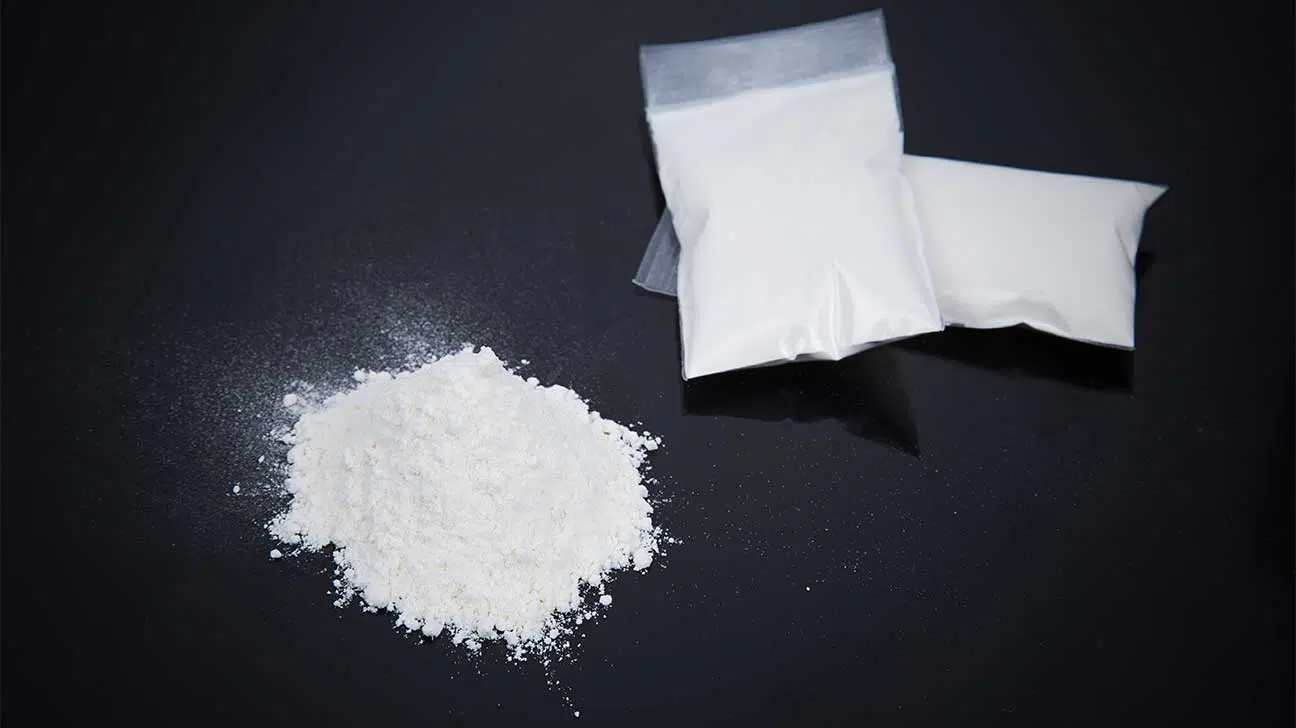
It is not uncommon to find cocaine and caffeine used together because caffeine is a common filler in cocaine that is sold on the street.
Caffeine is legal and found all over the world in coffees, teas, and energy drinks. It is not usually dangerous unless taken excessively.
But when mixed with cocaine it can produce a risky and potentially dangerous combination.
Learn more about the dangers of taking multiple drugs together.
Why Do People Mix Cocaine And Caffeine?
Sometimes, cocaine and caffeine are mixed together before they have even reached the consumer.
The dealer usually does this in order to save money, and the customer is generally never informed.
Cocaine that has been laced with caffeine can create an intense high and is even more addictive than cocaine by itself.
People may also intentionally consume caffeine with cocaine by drinking coffee when using the drug.
What Happens When You Mix Cocaine And Caffeine?
While cocaine poses a lot of risks every time you use it, caffeine on its own is extremely commonplace and rarely poses any danger because people rarely consume enough caffeine to cause an overdose.
When the two are mixed, however, whether intentionally or unintentionally, caffeine can elevate the effects of cocaine to a dangerous level.
Not only will the high be more intense, but it may also come on faster. The result is that cocaine becomes more addictive in nature.
People using it may even struggle to use cocaine on its own going forward because they have become used to the stronger high that they feel when caffeine is added.
Side Effects Of Using Cocaine And Caffeine Together
Cocaine and caffeine have similar side effects, though it will take a much higher dose of caffeine to feel them at the same level as cocaine.
Side effects of cocaine include:
- chest pain
- trouble breathing
- bloody nose
- diarrhea
- nausea
- insomnia
- anxiety
Side effects of caffeine include:
- restlessness
- headaches
- dizziness
- anxiety
- shakiness
- rapid heart beat
- dehydration
Risks Of Mixing Cocaine And Caffeine
Cocaine is potentially deadly every time you use it, and this potential only increases when mixed with caffeine.
Immediate risks of mixing cocaine and caffeine include:
- heart attack
- stroke
- sudden death
- seizures
- erratic behavior
- tremors
When used over time, mixing cocaine and caffeine can wreak havoc on a person’s health, finances, work, school, and personal relationships.
Stimulants are not good for the heart, and a person with pre-existing heart conditions should be particularly wary of this combination.
Long-term risks of mixing cocaine and caffeine include:
- increased risk of heart attack
- increased risk of stroke
- increased heart rate
- increased blood pressure
- sleep deprivation
- substance use disorder
- depressive
- anxiety
- reduced fertility in women
- chronic headaches
Cocaine And Caffeine Abuse Can Lead To Addiction
Caffeine is a widely used and socially acceptable substance. It even affects the same parts of the brain but in different ways.
Caffeine is a much more mild substance on its own, but when used in combination with cocaine, it actually makes cocaine more addictive.
Someone using both of these substances together is more likely to develop a polysubstance use disorder, which may require professional attention.
Find Treatment For Drug Addiction Today
If you or someone you love is facing a substance use disorder you can find treatment today. Call us to learn more about your treatment options and how to access them.
Addiction Resource aims to provide only the most current, accurate information in regards to addiction and addiction treatment, which means we only reference the most credible sources available.
These include peer-reviewed journals, government entities and academic institutions, and leaders in addiction healthcare and advocacy. Learn more about how we safeguard our content by viewing our editorial policy.
- Medical News Today — Is caffeine bad for you?
https://www.medicalnewstoday.com/articles/271707 - National Institute on Drug Abuse — What are the short-term effects of cocaine use?
https://www.drugabuse.gov/publications/research-reports/cocaine/what-are-short-term-effects-cocaine-use - U.S. National Library of Medicine — Caffeine
https://medlineplus.gov/caffeine.html