

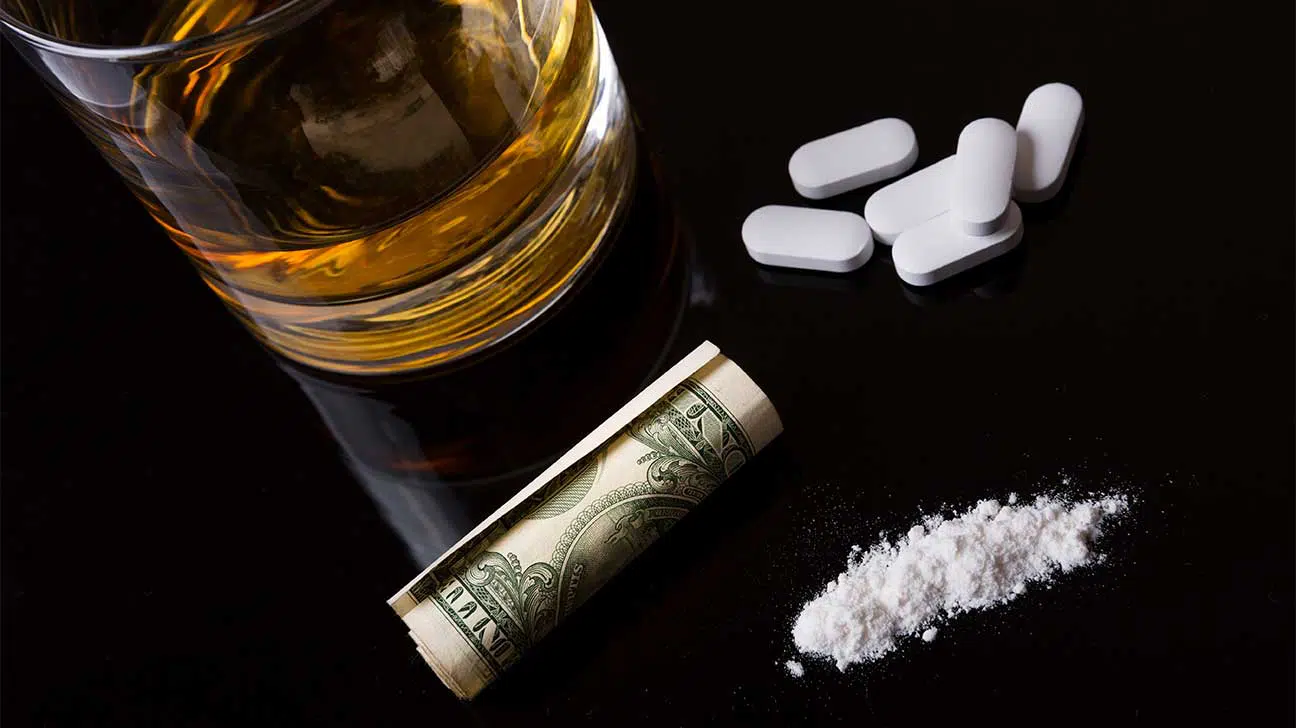
Gabapentin (Neurontin) belongs to a class of drugs called anticonvulsants. Both gabapentin and cocaine are addictive substances that have the potential for abuse.
Though mixing gabapentin and cocaine does not usually cause any life-threatening responses, it can result in a greater chance of addiction and increase the risk of overdose.
These substances can cause serious symptoms including seizures and respiratory depression when mixed.
Learn more about the dangers of polydrug abuse.
Why Do People Mix Cocaine And Gabapentin?
Gabapentin has long been thought to be a safe medication with no potential for abuse, but recent findings suggest otherwise.
Not only does gabapentin have abuse potential on its own, but people who take gabapentin are also likely to abuse it with other drugs, such as cocaine.
Abusing more than one substance at a time increases risks and side effects, and there are several reasons a person might abuse cocaine and gabapentin together.
The High Caused By Polysubstance Abuse
In a study conducted in 2018 on people who use drugs in Appalachian Kentucky, researchers found a pattern of gabapentin abuse.
The participants in this study said that they used gabapentin in combination with drugs, including cocaine, in order to produce CNS effects.
A few of the desired effects from combining gabapentin and cocaine include:
- muscle relaxation
- pain reduction
- sleep induction
- feeling drunk
- feeling “high”
Mixing these drugs can result in extreme euphoria similar to the effects of ecstasy.
Gabapentin can also mask some of the unwanted side effects of cocaine, resulting in a more sedate euphoric experience.
Low Cost
Gabapentin is a relatively low-cost drug, which contributes to its popularity. Many people may substitute gabapentin for opioids as a cheaper alternative.
A person can mix gabapentin with drugs like cocaine to experience a high without spending as much money on other, more expensive drugs.
Effects Of Mixing Cocaine And Gabapentin
Cocaine is a stimulant that increases dopamine levels in the brain, activating the movement and reward controls.
Gabapentin changes the way the body responds to pain by altering electrical activity in the brain and affecting neurotransmitter activity.
Are There Any Risks With Mixing Cocaine And Gabapentin?
Any time people abuse mind-altering drugs, there are risks involved. Mixing cocaine and gabapentin can result in serious and, in some cases, fatal outcomes.
Risk Of Addiction
The biggest concern in mixing these substances is the potential for abuse.
Cocaine is a widely abused substance, and gabapentin is gaining popularity as a drug of choice for abuse. Mixing these drugs to create a more intense high can quickly lead to an addiction.
Increased Chance Of Overdose
Extreme overdoses involving gabapentin and cocaine can result in life-threatening consequences, including death.
While there have only been two reported deaths resulting from gabapentin abuse alone, the chance of fatal overdose increases significantly when cocaine and gabapentin are mixed.
Both cocaine and gabapentin overdoses can cause serious and life-threatening effects, such as:
- diarrhea and vomiting, which can cause severe dehydration and lead to death
- seizures
- decreased muscle coordination
- respiratory depression
Find Treatment For Substance Abuse
If you or a loved one are facing substance abuse, reach out to us today. We have more to tell you about starting your recovery journey and finding the treatment options that fit your needs.
Addiction Resource aims to provide only the most current, accurate information in regards to addiction and addiction treatment, which means we only reference the most credible sources available.
These include peer-reviewed journals, government entities and academic institutions, and leaders in addiction healthcare and advocacy. Learn more about how we safeguard our content by viewing our editorial policy.
- International Journal of Legal Medicine—An acute gabapentin fatality: a case report with postmortem concentrations
https://www.researchgate.net/publication/275360371_An_acute_gabapentin_fatality_a_case_report_with_postmortem_concentrations - ScienceDaily—More awareness, research needed on abuse risk of non-opioid painkiller
https://www.sciencedaily.com/releases/2018/02/180220143419.htm - Semantic Scholar—A Qualitative Analysis of Gabapentin Misuse and Diversion Among People Who Use Drugs in Appalachian Kentucky
https://www.semanticscholar.org/paper/A-Qualitative-Analysis-of-Gabapentin-Misuse-and-Who-Smith-Boland/febd0dfcdebcafed18272e52ce38b1de7de669aa - U.S. National Library of Medicine—Effects of gabapentin on cocaine self-administration, cocaine-triggered relapse and cocaine-enhanced nucleus accumbens dopamine in rats
https://www.ncbi.nlm.nih.gov/pmc/articles/PMC2574799/ - U.S. National Library of Medicine: MedlinePlus—Gabapentin
https://medlineplus.gov/druginfo/meds/a694007.html - U.S. National Library of Medicine: PubMed—Suicide by gabapentin overdose
https://pubmed.ncbi.nlm.nih.gov/21554310/