

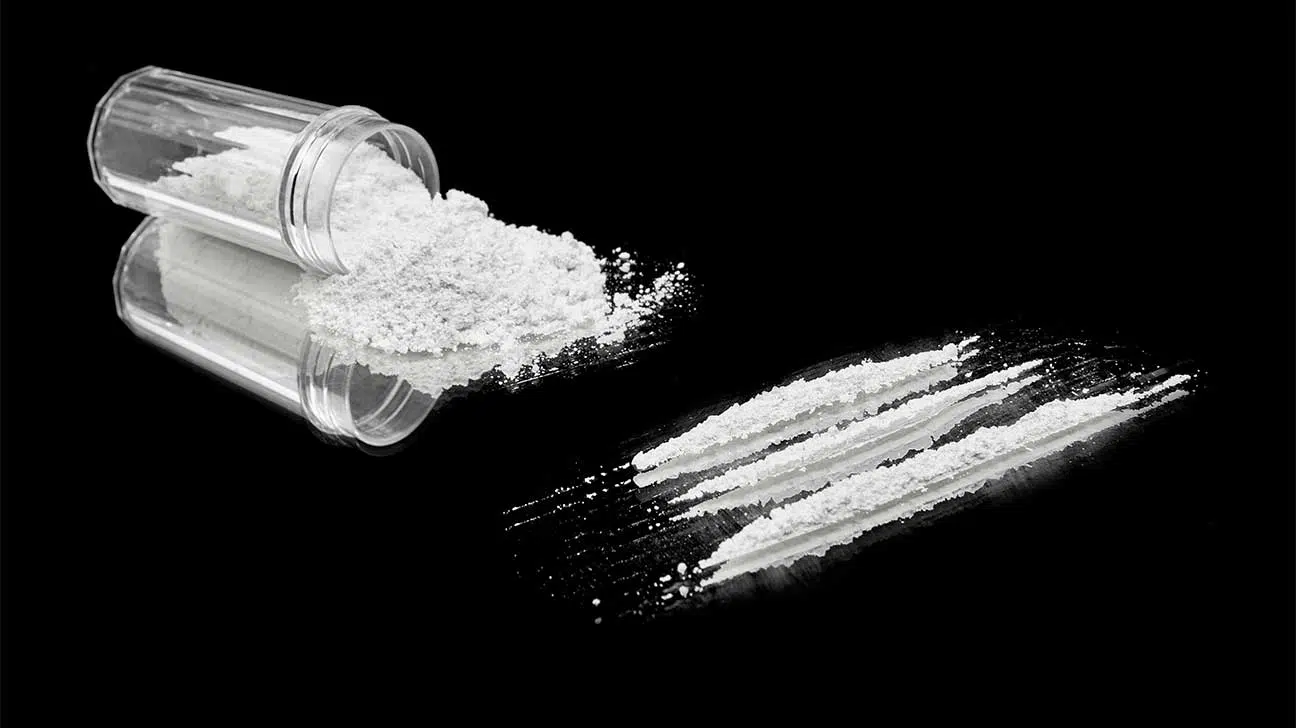
There are no known immediate deadly effects of mixing cocaine and LSD. There are, however, many uncomfortable and serious effects that can happen as a result of mixing the substances.
It is possible that certain complications can lead to death, but there is not necessarily a toxic combination between the two drugs.
Learn more about the dangers of polysubstance abuse
What Are The Effects Of Mixing Cocaine And LSD?
Research on the specific combination of cocaine and LSD is limited, but there are a few known effects.
A few of these include:
- paranoia
- delusion
- extreme hallucinations, or a “bad trip”
- cardiovascular issues
- damage to the central nervous system (CNS)
Some people who have used cocaine and LSD also claim that combining the substances eliminates some of the euphoric effects.
Why Is It Dangerous To Mix Cocaine And LSD?
Cocaine is a stimulant that works by increasing the brain’s dopamine supply, which is associated with the pleasure and reward functions of the brain.
LSD is a partial agonist at dopamine receptors, meaning it’s a stimulant of dopamine.
Because both cocaine and LSD have stimulant properties, this can create significant overstimulation and activation of dopamine.
Cocaine and LSD also cause an increase in the levels of serotonin, the neurotransmitter responsible for things like mood and sleep.
An influx of these neurotransmitters can cause a number of uncomfortable physical responses, overstimulation, and in some cases, serotonin syndrome.
Risks Of Mixing Cocaine And LSD
Mixing cocaine and LSD can lead to a few serious conditions and long-term issues.
Death is unlikely, but it is possible if a person overdoses or develops serotonin syndrome and leaves the symptoms untreated.
Excess Serotonin Can Cause Serotonin Syndrome
Serotonin syndrome occurs when the body has too much serotonin. Both cocaine and LSD can cause an influx of serotonin during use.
When the substances are combined, this increases the risk of developing serotonin syndrome because there are two mind-altering chemicals at work in the body changing serotonin levels.
This can cause:
- confusion
- agitation
- chest pain
- seizure
- sweating
- fever
- loss of consciousness
The Mixture Can Induce A Stroke
Both cocaine and LSD have caused strokes in cases of overdose. Cocaine is better known for its neurological effects, but both of the substances can induce a stroke.
Mixing cocaine and LSD increases the likelihood of having a stroke, which can lead to sudden death.
Cocaine And LSD Can Cause Seizures
Mixing cocaine and LSD can also cause seizures. A seizure can develop from damage to the CNS, stroke, stress, or other responses in the body.
While LSD is not typically associated with seizures, it is possible for this to happen under the influence of the substance.
Seizures are common with cocaine overdoses, so mixing LSD and cocaine will put those using these substances at a greater risk of seizure.
Increased Risk Of Coma
If a person mixes cocaine and LSD, they run the risk of overdosing and falling into a coma.
In one case study of eight massive LSD overdoses, patients ingested a large amount of LSD and went into a coma. All of the patients recovered from life-threatening manifestations.
Addiction Treatment For Cocaine And LSD Abuse
In addition to the uncomfortable and potentially life-threatening effects of using cocaine and LSD, there is a high potential for addiction.
If you or someone you love has been abusing one or both of these substances, addiction treatment is highly recommended.
Call our helpline today to learn more about your options in addiction recovery.
Addiction Resource aims to provide only the most current, accurate information in regards to addiction and addiction treatment, which means we only reference the most credible sources available.
These include peer-reviewed journals, government entities and academic institutions, and leaders in addiction healthcare and advocacy. Learn more about how we safeguard our content by viewing our editorial policy.
- National Institute on Drug Abuse (NIDA)—Disruption of Serotonin Contributes to Cocaine’s Effects
https://www.drugabuse.gov/news-events/nida-notes/2019/02/disruption-serotonin-contributes-to-cocaines-effects - ScienceDaily—How cocaine works in the brain, offers possibility of drug to treat addiction
https://www.sciencedaily.com/releases/2015/02/150204102730.htm - U.S. National Library of Medicine—Coma, Hyperthermia and Bleeding Associated with Massive LSD Overdose
https://www.ncbi.nlm.nih.gov/pmc/articles/PMC1129381/ - U.S. National Library of Medicine—Lysergic acid diethylamide (LSD) is a partial agonist of D2 dopaminergic receptors and it potentiates dopamine-mediated prolactin secretion in lactotrophs in vitro
https://pubmed.ncbi.nlm.nih.gov/9698051/#:~:text=lactotrophs%20in%20vitro-,Lysergic%20acid%20diethylamide%20(LSD)%20is%20a%20partial%20agonist%20of%20D2,Life%20Sci.