
Alabama has multiple state-funded substance abuse rehab programs that provide addiction and mental illness treatment.
There are a few ways that state funds can be received. Treatment centers can accept funds through programs like Medicaid, or from the state providing funds directly to the facility.
State-funded rehab centers provide detoxification and other treatment options for free or low cost to people pursuing addiction recovery.
List Of State-Funded Rehab Facilities In Alabama
Rehab facilities that are state-funded provide multiple levels of care. Many recovery centers are accredited and have highly qualified treatment professionals as part of your treatment team.
A high-quality, state-funded rehab center may have:
- certification
- evidence-based treatment options
- accreditation
- high Google ratings
- other features
1. Aletheia House, Birmingham, Alabama
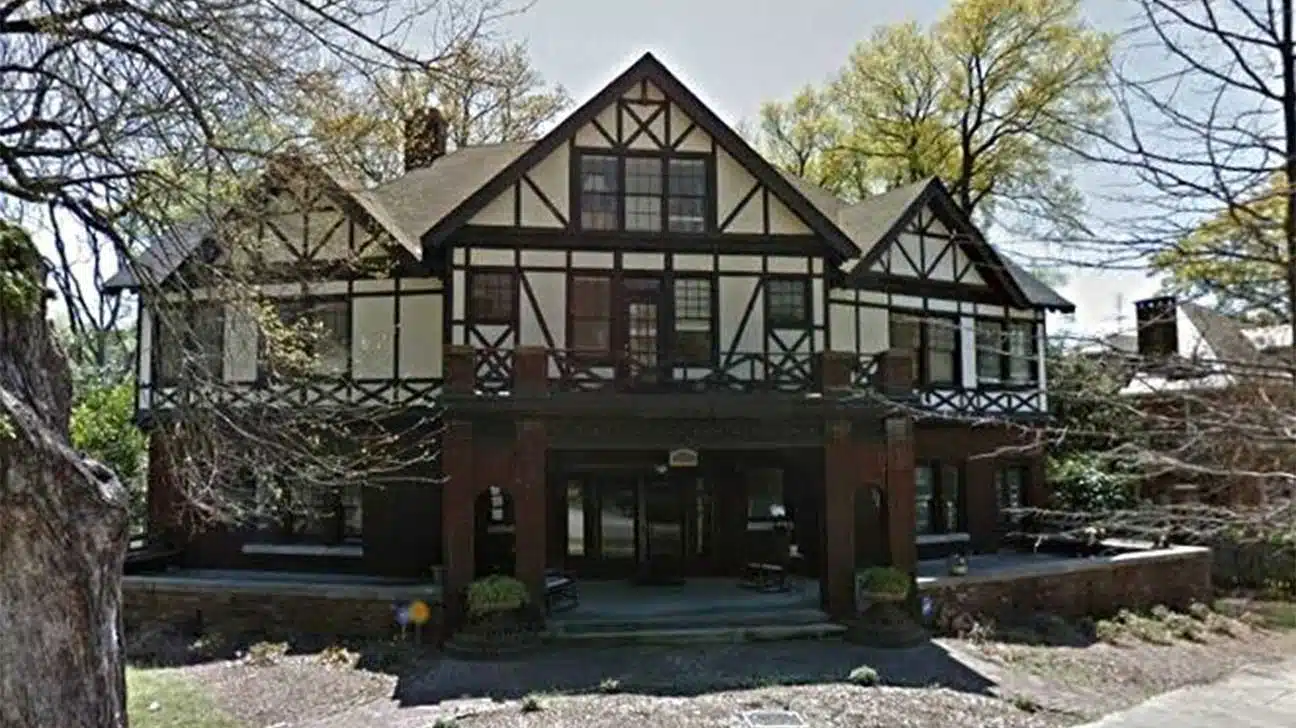
This addiction rehab facility in Birmingham, AL is a community-based treatment center offering affordable services since 1972.
The organization was founded by a group of dedicated volunteers to address the needs of teens living on the streets and has since expanded to offer drug treatment services.
Trusted features:
- Commission on Accreditation of Rehabilitation Facilities (CARF) accreditation
- state licensure
- licensed staff
- non-profit status
- client testimonials
Levels of care:
- residential treatment
- intensive outpatient program (IOP)
- outpatient program (OP)
- medication-assisted treatment (MAT)
- aftercare
Treatment services:
- women’s addiction treatment
- deaf and hard-of-hearing services
- individual therapy
- counseling
- relapse prevention
- naltrexone treatment
- trauma-informed therapy
- telehealth
- anger management
- case management
Payment options:
- Medicaid
- payment assistance
- sliding fee scale
- government funding
- private health insurance
- self-payment
Location and contact information:
201 Finley Ave. W.
Birmingham, AL 35204
(205) 781-0190
2. Birmingham Metro Treatment Center, Birmingham, Alabama
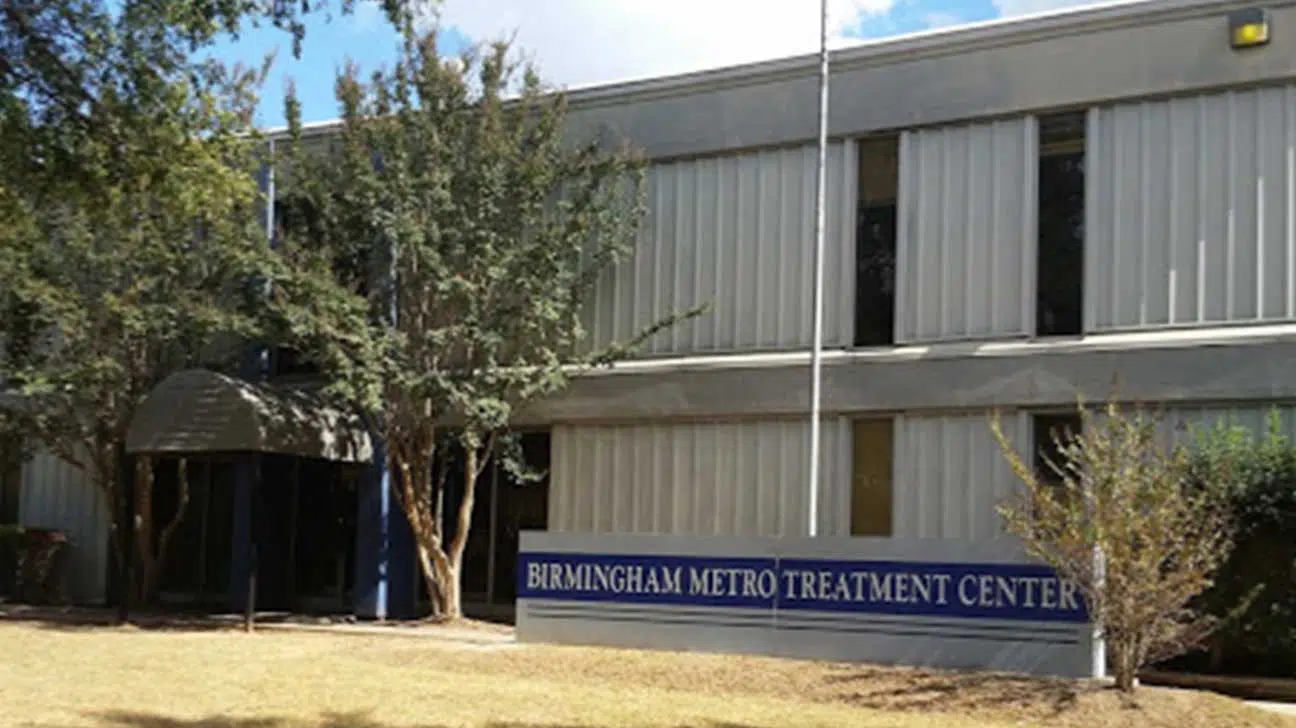
Birmingham Metro Treatment Center is a state-funded addiction rehab facility in Birmingham, AL, under the New Season organization of drug treatment locations.
New Season operates more than 80 facilities in 20 states nationwide. This organization focuses on helping curb the opioid abuse epidemic.
Trusted features:
- Commission on Accreditation of Rehabilitation Facilities (CARF) accreditation
- Substance Abuse and Mental Health Services Administration (SAMHSA) certification
- state licensure
- licensed staff
- 3.9-star Google rating
- client testimonials
Levels of care:
- outpatient program (OP)
- medication-assisted treatment (MAT)
- aftercare
Treatment services:
- naltrexone treatment
- buprenorphine treatment
- methadone treatment
- telehealth
- individual therapy
- counseling
- relapse prevention
- case management
- pregnant women’s addiction treatment
Payment options:
- Medicare
- Medicaid
- government funding
- self-payment
Location and contact information:
151 Industrial Dr.
Birmingham, AL 35211
(205) 941-1799
3. Central Alabama Wellness Center, Pelham, Alabama
Central Alabama Wellness Center is located in the heart of Alabama and serves the counties of Chilton and Shelby.
This organization was started in 1972 and focuses on more than just drug addiction; it encourages its clients to find long-lasting wellness.
Trusted features:
- state licensure
- non-profit status
Levels of care:
- outpatient treatment
Treatment services:
- dual diagnosis treatment
- relapse prevention
- 12-step recovery groups
- individual therapy
- telehealth
- case management
- deaf and hard-of-hearing services
- adolescent treatment
Payment options:
- Medicare
- Medicaid
- government funding
- TRICARE
- private health insurance
- self-payment
- sliding fee scale
Location and contact information:
2100 County Services Dr.
Pelham, AL 35124
(205) 651-0077
4. Chilton County Treatment Center, Clanton, Alabama
Chilton County Treatment Center is a drug rehab facility in Clanton, AL, made up of a team of psychiatrists, nurses, pharmacists, and therapists.
This facility believes in the power of group effort to help people overcome chemical dependency issues.
Trusted features:
- Commission on Accreditation of Rehabilitation Facilities (CARF) accreditation
- Substance Abuse and Mental Health Services Administration (SAMHSA) certification
- state licensure
- licensed staff
- 4.2-star Google rating
Levels of care:
- detoxification
- intensive outpatient program (IOP)
- outpatient program (OP)
- medication-assisted treatment (MAT)
Treatment services:
- naltrexone treatment
- suboxone treatment
- telehealth
- individual therapy
- case management
- counseling
- deaf and hard-of-hearing services
- dual diagnosis treatment
- 12-step recovery groups
- LGBTQ+ services
- veterans treatment
- pregnant women’s addiction treatment
- buprenorphine treatment
Payment options:
- government funding
- Medicaid
- Medicare
- private health insurance
- self-payment
Location and contact information:
2100 Holiday Inn Dr.
Clanton, AL 35046
(205) 755-4300
5. East Central Mental Health Center, Troy, Alabama
East Central Mental Health Center serves residents of Bullock, Macon, and Pike counties with drug abuse treatment services.
The organization offers six drug treatment centers throughout three counties, including this drug rehab center in Troy, AL.
Trusted features:
- state licensure
- non-profit status
- positive client reviews
Levels of care:
- intensive outpatient program (IOP)
- outpatient program (OP)
- medication-assisted treatment (MAT)
Treatment services:
- treatment referrals
- individual therapy
- counseling
- family therapy
- adolescent treatment
- women’s addiction treatment
- pregnant women’s addiction treatment
Payment options:
- Medicaid
- Medicare
- TRICARE
Location and contact information:
200 Cherry St.
Troy, AL 36081
(334) 566-6022
6. Indian Rivers Behavioral Health, Tuscaloosa, Alabama
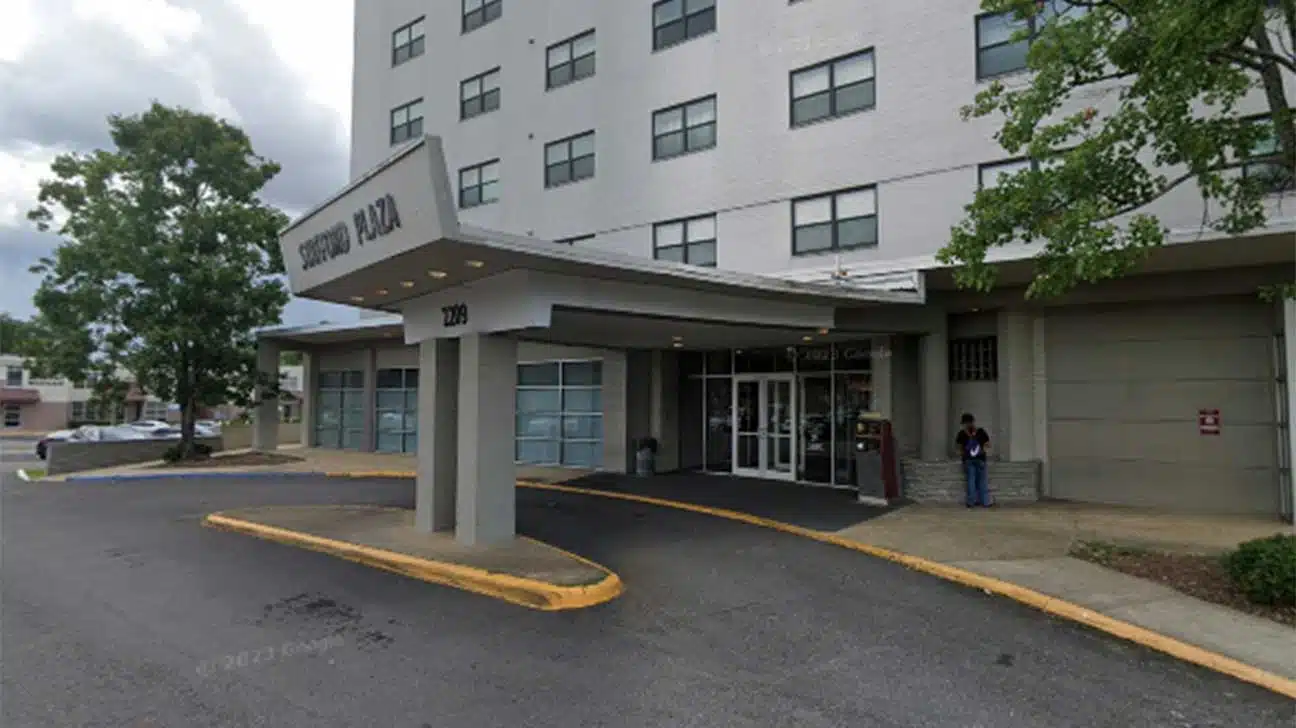
Indian Rivers Behavioral Health was established in 1969 to provide treatment for people with mental health disorders, including substance use disorder (SUD).
Residents of three counties, including Bibb, Tuscaloosa, and Pickens counties, can receive services across three drug treatment centers.
Trusted features:
- state licensure
- 5-star Google rating
- licensed staff
- non-profit status
Levels of care:
- inpatient treatment
- intensive outpatient programs (IOP)
- outpatient treatment
Treatment services:
- women’s addiction treatment
- crisis stabilization
- pregnant women’s addiction treatment
- 12-step recovery groups
- adolescent treatment
- counseling
- case management
Payment options:
- TRICARE
- Medicare
- Medicaid
- sliding fee scale
Location and contact information:
2209 9th St.
Tuscaloosa, AL 35401
(205) 391-3131
7. Pathway Healthcare, Huntsville, Alabama
Pathway Healthcare offers individualized outpatient care to each of its clients. Pathway has 14 drug treatment locations throughout four states.
This Huntsville, AL, drug treatment location helps residents overcome drug and alcohol addiction and co-occurring mental health conditions.
Trusted features:
- Joint Commission accreditation
- LegitScript certification
- state licensure
- licensed staff
- 4.3-star Google rating
Levels of care:
- outpatient program (OP)
- medication-assisted treatment (MAT)
Treatment services:
- case management
- dual diagnosis treatment
- counseling
- individual therapy
- pregnant women’s addiction treatment
Payment options:
- Medicare
- Medicaid
- TRICARE
- private health insurance
Location and contact information:
2010 SouthPoint, Forest Park Cir. NW
Ste. #200
Huntsville, AL 35801
(256) 880-5818
8. West Alabama Mental Health Center, Demopolis, Alabama
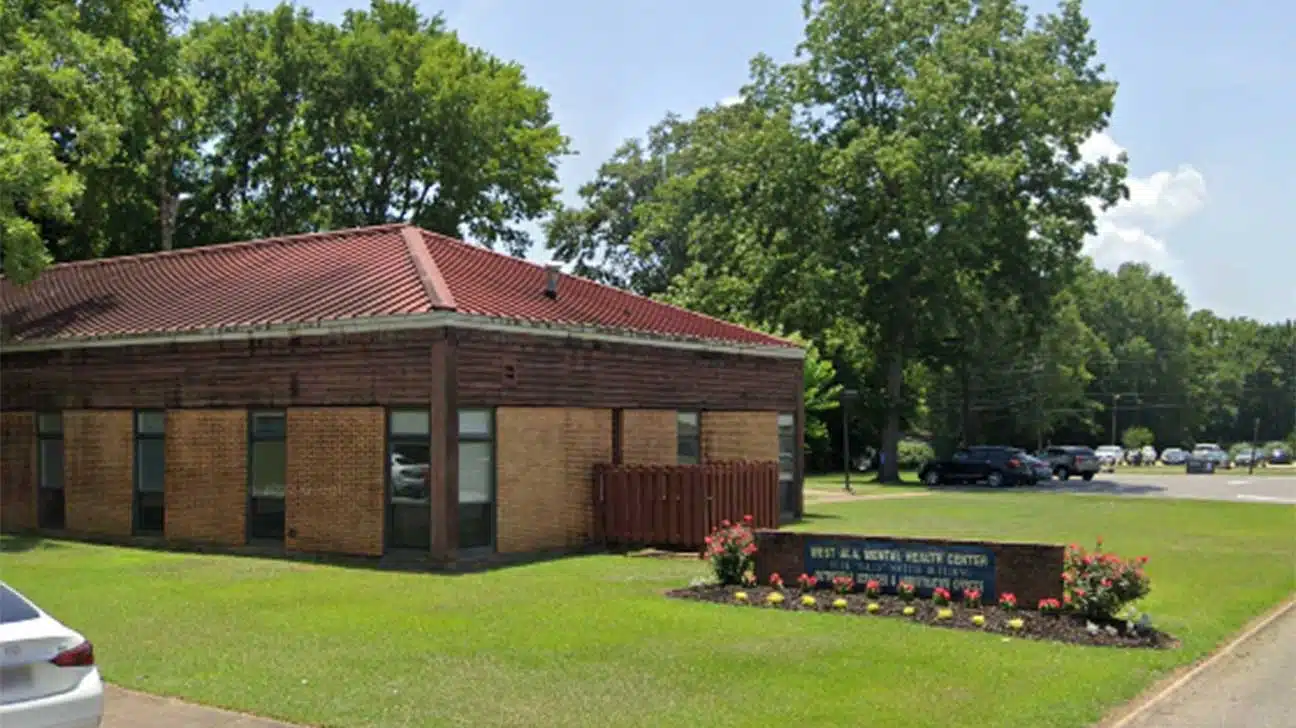
West Alabama Mental Health Center offers 13 treatment locations in Alabama, serving Choctaw, Greene, Hale, Marengo, and Sumter counties.
This Demopolis, AL, drug treatment center offers care for Alabamians regardless of ability to pay.
Trusted features:
- state licensure
- licensed staff
- non-profit status
Levels of care:
- outpatient program (OP)
Treatment services:
- individual therapy
- group therapy
- treatment referrals
- dual diagnosis treatment
- pregnant women’s addiction treatment
- adolescent treatment
- deaf and hard-of-hearing services
- case management
- counseling
- relapse prevention
Payment options:
- Medicaid
- Medicare
- TRICARE
- private health insurance
- sliding fee scale
- payment assistance
Location and contact information:
1215 S. Walnut Ave.
Demopolis, AL 36732
(800) 239-2901
Sources Of Alabama State Funding For Drug Rehab
State-funded drug rehab centers provide care through government-funded healthcare plans or through other sources of state funding.
Apply for Medicaid
Once you have confirmed your eligibility for Alabama Medicaid, you can use your benefits to cover the costs of your substance abuse recovery program.
Alabama Medicaid is a state-funded healthcare program that pregnant women, elderly people, those who are disabled, parents, or caretaker relatives may be eligible for.
Addiction treatment is typically fully covered by Alabama Medicaid. A low-cost co-pay may be required for medications and other services.
Other government-funded health insurance programs include:
- Medicare
- TRICARE
- other state-funded private insurance
Federal Grant Awards For Rehab Facilities
Non-profit, state-funded addiction treatment centers typically provide addiction education, prevention, and treatment through state grants.
The Substance Abuse Block Grant (SABG) is provided by the Substance Abuse and Mental Health Services Administration (SAMHSA).
Block grant funding is dispersed to Alabama each year for substance abuse recovery and treatment.
Other Funding From The State For Addiction Treatment Centers
Medication-Assisted Treatment-Prescription Drug and Opioid Addiction (MAT-PDOA) aims to reduce opioid overdose and death rates in Alabama by funding treatment in Jefferson and Walker Counties.
State Opioid Response 2 (SOR2) has the same goal and provides funding to treatment centers throughout the state.
Both are grants funded through SAMHSA.
Types Of Drug And Alcohol Treatment Covered By State Funding In Alabama
These types of funding cover a variety of different treatment options for mental illness and substance use disorders.
Treatments that may be covered include:
- residential treatment
- intensive outpatient programs (IOP)
- medication-assisted treatment (MAT)
- detox
- 12-step support groups
- individual, family, and group therapy
- cognitive behavioral therapy (CBT)
- aftercare
- treatment of co-occurring disorders
- sober living
FAQs For State-Funded Rehab Programs In Alabama
Choosing a drug and alcohol addiction rehab program can be overwhelming.
The topics covered below can help you answer your questions about state-funded substance abuse treatment in the state of Alabama.
How Do I Know Which Program Is Right For Me?
Every person’s recovery journey is different.
You and your treatment team will evaluate your needs and decide on a treatment plan that will support long-term recovery.
Is Medicaid Accepted At All State-Funded Drug Rehab Centers In Alabama?
Most, but not all, state-funded drug rehab centers in Alabama accept Medicaid.
Many facilities offer low-income payment options if clients are uninsured or underinsured.
How Long Is State-Funded Drug Addiction Treatment In Alabama?
Typical treatment lengths can range from weeks to months long. Programs are commonly offered at state-funded rehab facilities that feature 30, 60, and 90 days spent in treatment.
Find Addiction Treatment Today
Alabama has many state-funded alcohol and drug rehab facilities to pursue addiction and mental health recovery.
If you or a loved one would like to get more information or a referral for an affordable treatment option, call our helpline to speak with a representative today.
Updated on January 15, 2024
Addiction Resource aims to provide only the most current, accurate information in regards to addiction and addiction treatment, which means we only reference the most credible sources available.
These include peer-reviewed journals, government entities and academic institutions, and leaders in addiction healthcare and advocacy. Learn more about how we safeguard our content by viewing our editorial policy.
- Alabama Department of Mental Health — Grants
https://mh.alabama.gov/grants/ - Alabama Department of Mental Health — Substance Abuse Treatment Initiatives
https://mh.alabama.gov/division-of-mental-health-substance-abuse-services/substance-abuse-treatment-services/substance-abuse-treatment-initiatives/ - Alabama Medicaid — Qualifying for Medicaid
https://medicaid.alabama.gov/content/3.0_Apply/3.2_Qualifying.aspx - FindTreatment.gov — Search For Treatment
https://findtreatment.gov/results/