
A state-funded drug and alcohol rehab facility is a treatment program that provides mental health and substance abuse services financed at least in part through the state.
This funding can be accessed by using Medicaid (MassHealth) or other funding from the state or federal government, such as block grants.
List Of State-Funded Rehab Facilities In Massachusetts
To choose a rehab program that provides affordable and effective drug abuse treatment, consider the qualities each program features.
For example, a top rehab center might have:
- high Google ratings
- evidence-based treatment methods
- accreditation
- certification
- other notable features
1. AdCare, Worcester, Massachusetts
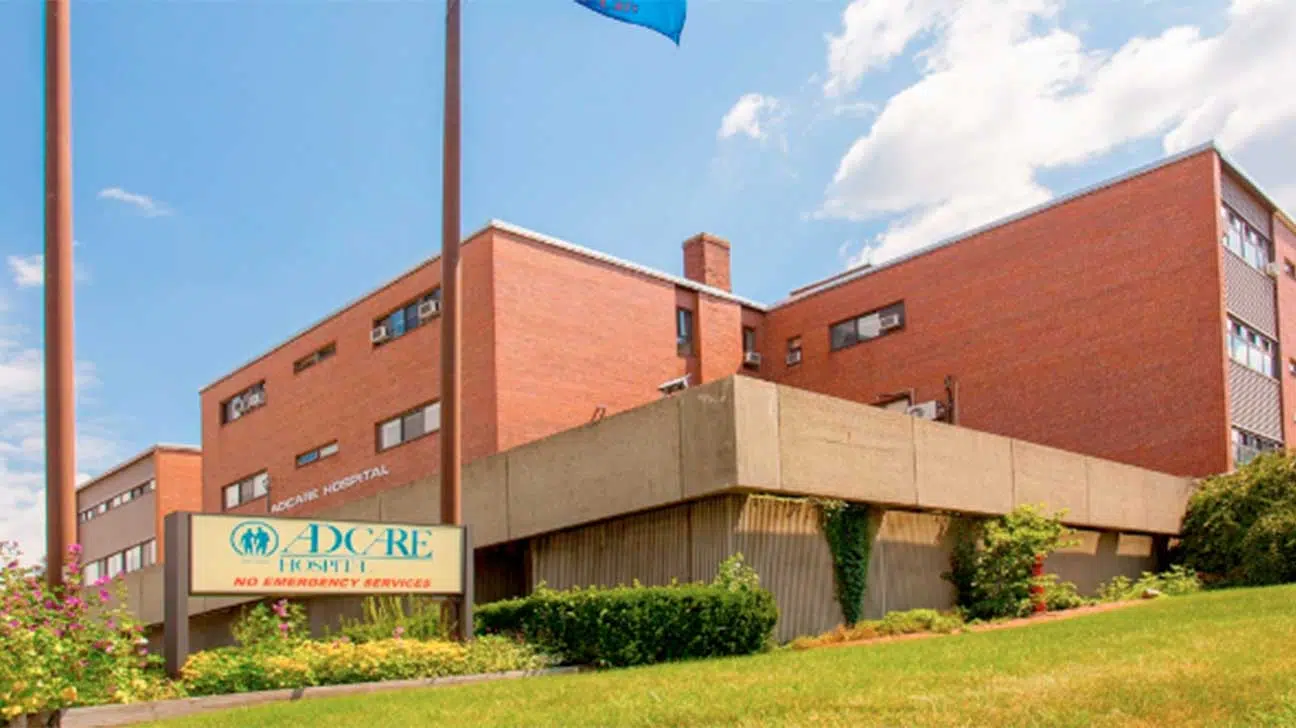
AdCare offers a wide range of addiction treatment programs to accommodate each client’s unique needs.
Four locations are offered in Rhode Island and another two in Massachusetts, including this drug addiction treatment center in Worcester, MA.
Trusted features:
- Joint Commission accreditation
- Substance Abuse and Mental Health Services Administration (SAMHSA) certification
- state licensure
- licensed staff
Levels of care:
- inpatient treatment
- detoxification
- partial hospitalization program (PHP)
- outpatient program (OP)
Treatment services:
- dual diagnosis treatment
- deaf and hard-of-hearing services
- women’s addiction treatment
- 12-step recovery groups
- counseling
- individual therapy
Payment options:
- Medicare
- Medicaid
- TRICARE
- private health insurance
- self-payment
Location and contact information:
107 Lincoln St.
Worcester, MA 01605
(866) 249-8908
2. BrightView Health, Lowell, Massachusetts
BrightView Health is a multi-state drug treatment organization, with treatment locations in seven states.
Treatment programs offered at BrightView allow you or your loved one to receive help for addiction without uprooting your entire life or livelihood.
Trusted features:
- Joint Commission accreditation
- licensed staff
Levels of care:
- detoxification
- partial hospitalization program (PHP)
- intensive outpatient program (IOP)
- outpatient program (OP)
- medication-assisted treatment (MAT)
Treatment services:
- pregnant women’s addiction treatment
- counseling
- relapse prevention
- case management
- individual therapy
- deaf and hard-of-hearing services
Payment options:
- Medicare
- Medicaid
- TRICARE
- private health insurance
- self-payment
Location and contact information:
77 E. Merrimack St.
Lowell, MA 01852
(866) 934-7450
3. Codman Square Health Center, Dorchester, Massachusetts
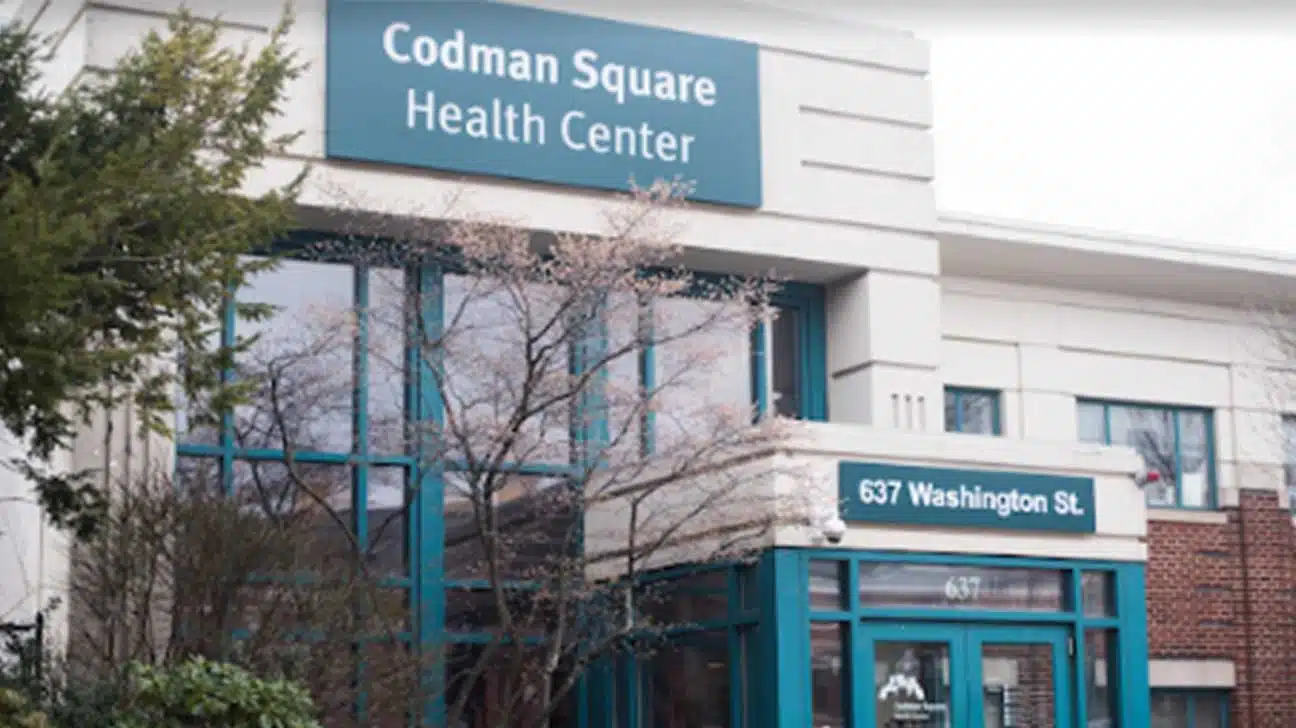
Codman Square Health Center is a community-based, community-focused health care and multi-service center in the heart of Dorchester.
Since 1979, Codman Square Health Center has offered comprehensive care including primary, eye, dental, urgent, and behavioral health care.
Trusted features:
- Joint Commission accreditation
- state licensure
- licensed staff
- non-profit status
Levels of care:
- outpatient program (OP)
- medication-assisted treatment (MAT)
Treatment services:
- individual therapy
- group therapy
- medication management
- counseling
- dual diagnosis treatment
- 12-step recovery groups
Payment options:
- Medicaid
- Medicare
- private health insurance
Location and contact information:
637 Washington St.
Dorchester, MA 02124
(617) 825-9660
4. DotHouse Health, Dorchester, Massachusetts
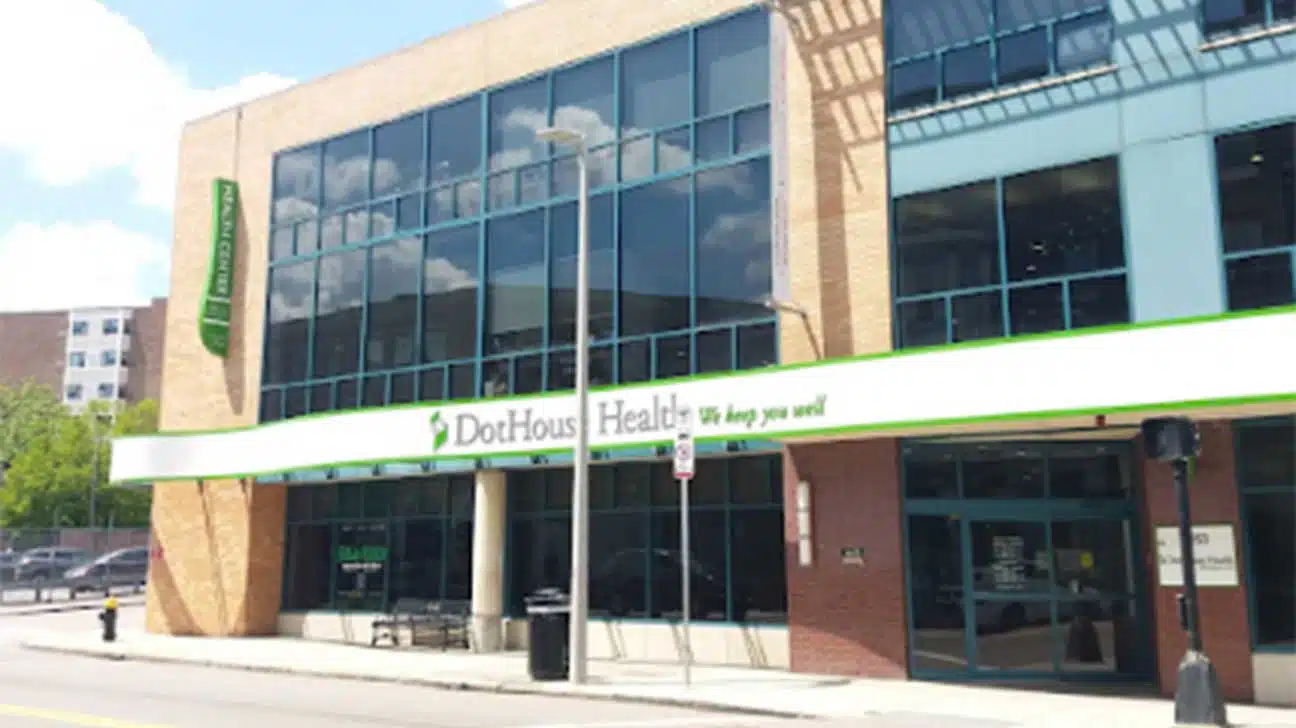
DotHouse Health, in partnership with Boston Medical Center, provides consistent, high-quality care to all in need of medical care, regardless of ability to pay.
The addiction recovery programs offered at DotHouse Health draw on the strength of the individual, the family, and the community.
Trusted features:
- Joint Commission accreditation
- state licensure
- licensed staff
- non-profit status
Levels of care:
- outpatient program (OP)
- medication-assisted treatment (MAT)
Treatment services:
- individual therapy
- case management
- women’s addiction treatment
- naltrexone treatment
- Suboxone treatment
Payment options:
- private health insurance
- Medicaid
- Medicare
Location and contact information:
1353 Dorchester Ave.
Dorchester, MA 02122
(617) 288-3230
5. Fenway Health South End, Boston, Massachusetts

Since 1971, Fenway Health has been working to make life healthier for the people in the LGBTQ+ community, people living with HIV/AIDS, and the broader population.
Today, Fenway Health has a budget of more than $131 million, a staff of more than 700, and a client population of nearly 40,000.
Trusted features:
- Joint Commission accreditation
- state licensure
- licensed staff
- non-profit status
Levels of care:
- detoxification
- outpatient program (OP)
- medication-assisted treatment (MAT)
Treatment services:
- buprenorphine treatment
- medication management
- individual therapy
- deaf and hard-of-hearing services
- case management
Payment options:
- payment assistance
- sliding fee scale
- government funding
- Medicaid
- Medicare
- TRICARE
- self-payment
Location and contact information:
142 Berkeley St.
Boston, MA 02116
(617) 247-7555
6. Health Care Resource Centers (HCRC), New Bedford, Massachusetts
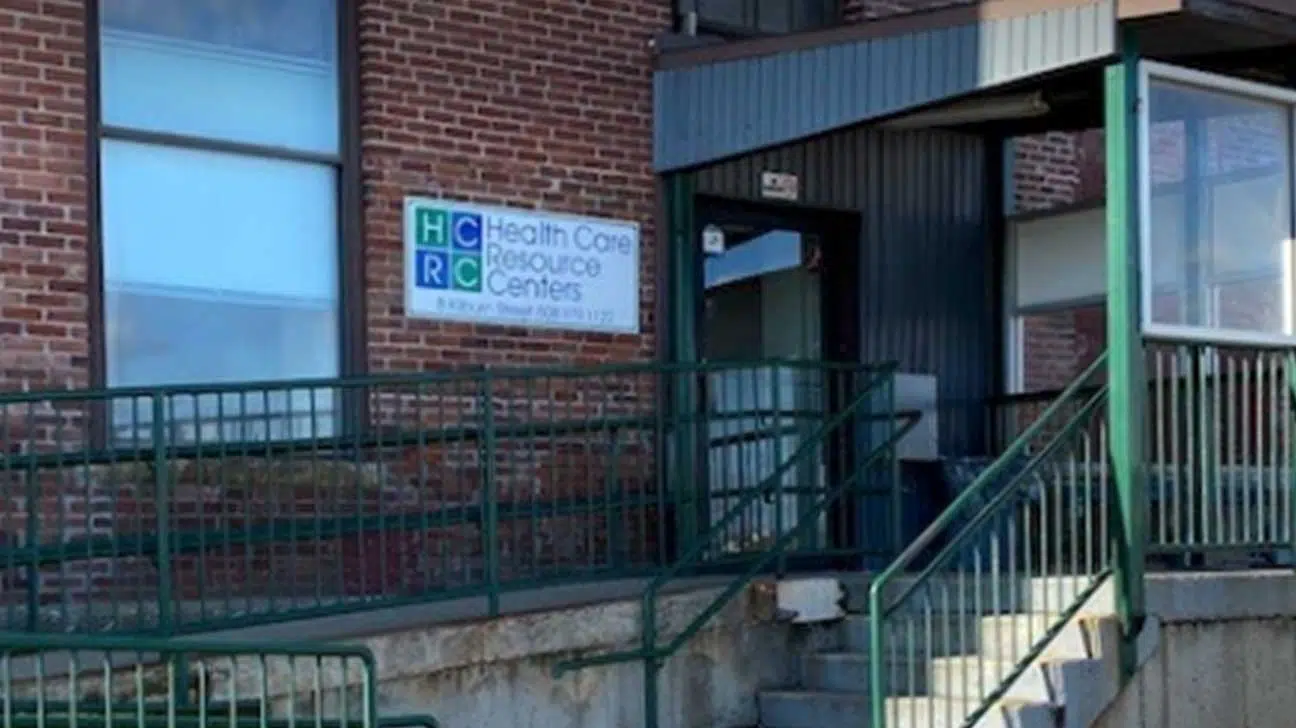
HCRC is a BayMark Health Services company that has provided addiction treatment services for more than 32 years.
HCRC began with its first program in Westfield, MA, in 1989 and has grown to 17 locations, including this treatment facility in New Bedford, MA.
Trusted features:
- Commission on Accreditation of Rehabilitation Facilities (CARF) accreditation
- Substance Abuse and Mental Health Services Administration (SAMHSA) certification
- state licensure
- licensed staff
Levels of care:
- outpatient program (OP)
- medication-assisted treatment (MAT)
Treatment services:
- methadone treatment
- pregnant women’s addiction treatment
- medication management
- trauma-informed therapy
- counseling
- deaf and hard-of-hearing services
Payment options:
- government funding
- Medicare
- Medicaid
- private health insurance
- self-payment
Location and contact information:
8 Kilburn St.
New Bedford, MA 02740
(508) 979-1122
7. River Valley Counseling Center (RVCC), Springfield, Massachusetts
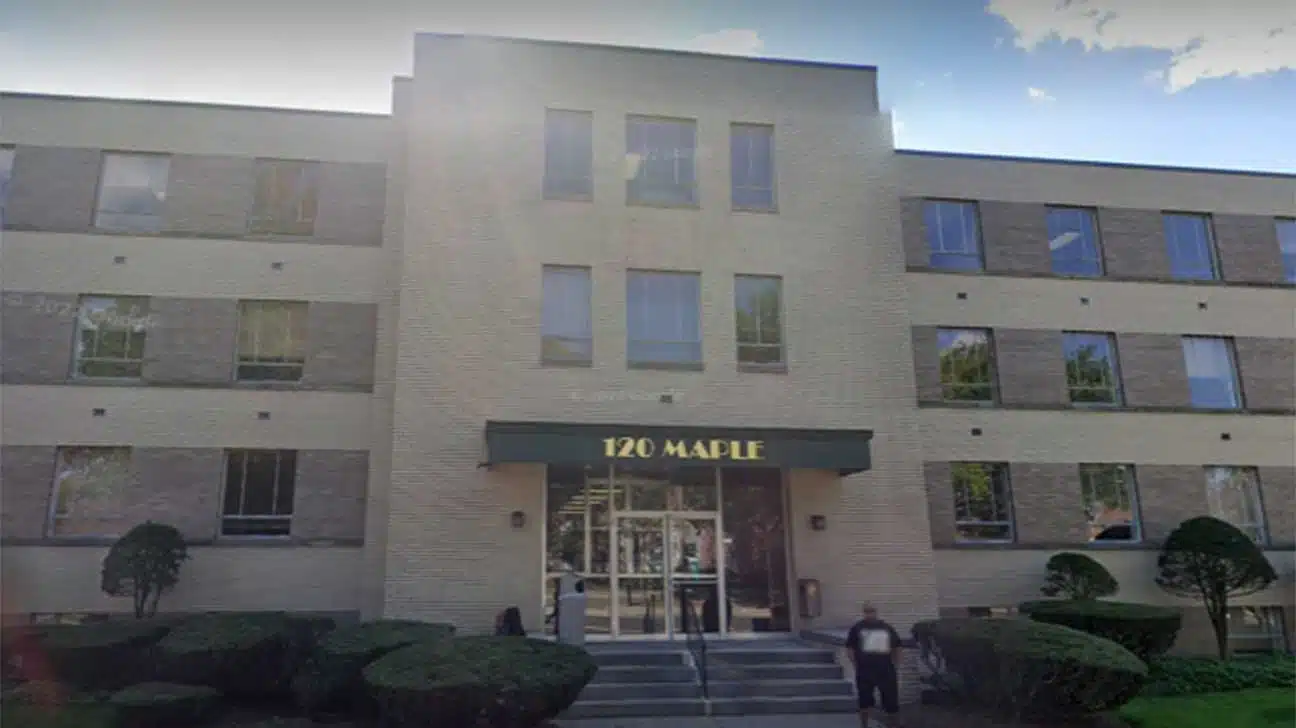
RVCC is a multifaceted community-based mental health agency that has been operating in Pioneer Valley since 1953.
RVCC has Massachusetts certified gambling addiction specialists and provides counseling for people who struggle with both mental health and substance use disorders.
Trusted features:
- state licensure
- licensed staff
- non-profit status
Levels of care:
- outpatient program (OP)
- medication-assisted treatment (MAT)
Treatment services:
- naltrexone treatment
- deaf and hard-of-hearing services
- telehealth
- counseling
- trauma-informed therapy
Payment options:
- Medicare
- Medicaid
- TRICARE
- private health insurance
- self-payment
Location and contact information:
120 Maple St.
Ste. #304
Springfield, MA 01103
(413) 737-2437
8. South Middlesex Opportunity Council (SMOC) Serenity House, Framingham, Massachusetts
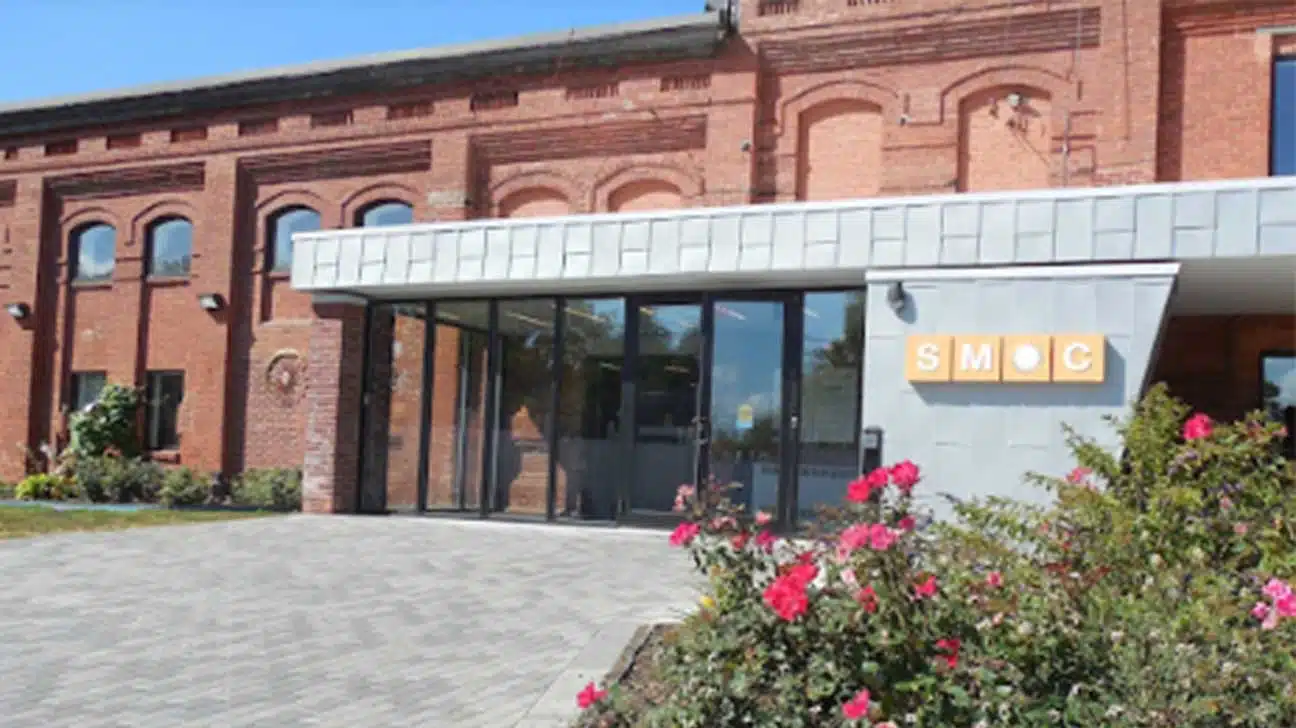
SMOC strives to improve health equity, wellness, and quality of life for diverse individuals and families.
SMOC does this through providing advocacy, education, and a wide range of services, along with building a community of support and inclusion.
Trusted features:
- Commission on Accreditation of Rehabilitation Facilities (CARF) accreditation
- state licensure
- licensed staff
- non-profit status
Levels of care:
- outpatient program (OP)
Treatment services:
- 12-step recovery groups
- counseling
- relapse prevention
- deaf and hard-of-hearing services
- individual therapy
- dual diagnosis treatment
Payment options:
- government funding
- TRICARE
- Medicaid
- Medicare
- private health insurance
- self-payment
Location and contact information:
7 Bishop St.
Framingham, MA 01702
(508) 872-4853
Sources Of State Funding
You can find state funding through government-funded health care, or attend a program at a number of drug rehab centers funded by the state through different sources.
Apply For MassHealth
If you are eligible for Massachusetts Medicaid, you can apply for benefits and use this to cover the cost of your substance use disorder treatment program.
This is a state and federally funded healthcare program available for:
- parents
- adult caretaker relatives
- children
- young adults
- adults through 64 years of age
- pregnant women
Treatment programs that accept Medicaid are often covered in full. You may have a low copay for certain services, such as medications.
Other government-funded health insurance programs include:
- TRICARE
- Medicaid
Learn more about using MassHealth to pay for drug rehab
Federal Grant Awards For Treatment Facilities
State-funded rehab centers are most often funded by state grants for organizations that provide education, prevention, and treatment for substance abuse and mental health services.
One such funding program is the Substance Abuse Mental Health Services Administration (SAMHSA) Substance Abuse Block Grant (SABG) program.
Each year, Massachusetts is awarded Block Grant funding for substance abuse treatment and recovery efforts.
Other Funding From The State To Rehab Centers
Massachusetts rehab centers and community organizations may receive funding through other grants and state funds.
Beginning in 2022, 31 treatment programs in the state will receive a portion of a $3.8 million initiative put forth by the Executive Office of Health and Human Services (EOHHS) and the Department of Public Health (DPH).
This program and others provide funding to rehab facilities that offer youth, adult, and community services for substance abuse.
Types Of Treatment Programs Covered By State Funding In Massachusetts
Fortunately, there are many different options in mental health and addiction treatment covered by state grants, Medicaid, and other sources of government funding.
These funding sources can cover services such as:
- cognitive behavioral therapy (CBT)
- group, family, and individual therapy and counseling
- peer support groups
- case management
- specialized residential programs for youth, families, and women
- opioid abuse treatment
- gambling addiction treatment
- inpatient rehab programs
- outpatient treatment
- intensive outpatient programs (IOP)
- medication-assisted treatment (MAT)
- medication management
- medically supervised detox programs
- residential rehab stays
- long-term recovery treatment plans
- dual diagnosis care
- aftercare
- transitional living programs
- support services
FAQs For State-Funded Rehab Programs In Massachusetts
Finding the right drug or alcohol treatment program can be a tedious process.
Use the answers below to a few frequently asked questions regarding state-funded treatment in Massachusetts to make your search easier.
How Long Can I Stay At A State-Funded Rehab Program In Massachusetts?
This depends on your funding source and program. MassHealth covers some programs for less than 30 days, and others for over 30 days, such as residential programs.
Treatment centers that get their funding from the state might be able to offer a few days or several months of treatment depending on the level of funding and capacity.
What Types Of Treatments Are Available At State-Funded Rehab Centers?
Depending on the rehab center, you may find any number of treatment options or programs.
Some examples of levels of care include:
- residential treatment
- medication-assisted treatment (MAT)
- outpatient rehab programs
A treatment provider can help you determine the level of care and program that is appropriate for you.
Who Can Attend A State-Funded Rehab Program In Massachusetts?
Anyone who can prove low income or that they need financial assistance can get treatment from a state-funded program, either with Medicaid or by attending a grant-funded program.
Do All State-Funded Rehab Centers Accept Medicaid?
Many state-funded rehab programs accept Medicaid, but not all.
What If I Can’t Get Into A State-Funded Rehab Center In Massachusetts?
If you are unable to find a spot at a recovery center that is funded by the state, you may be able to access other low-cost treatment options.
See our list of free Massachusetts rehab centers to learn about low-cost or free treatment centers.
Find State-Funded Treatment In Massachusetts
If you or a loved one would like to learn more about treatment options in Massachusetts, reach out to us today to speak with a care specialist.
Updated on January 15, 2024
Addiction Resource aims to provide only the most current, accurate information in regards to addiction and addiction treatment, which means we only reference the most credible sources available.
These include peer-reviewed journals, government entities and academic institutions, and leaders in addiction healthcare and advocacy. Learn more about how we safeguard our content by viewing our editorial policy.
- Mass.gov — Eligibility for health care benefits for MassHealth, the Health Safety Net, and Children's Medical Security Plan
https://www.mass.gov/service-details/eligibility-for-health-care-benefits-for-masshealth-the-health-safety-net-and - Mass.gov — Health Safety Net
https://www.mass.gov/orgs/health-safety-net - Mass.gov — Substance Abuse Block Grant Plan Summary
https://www.mass.gov/news/substance-abuse-block-grant-plan-summary - Mass.gov — Substance Addiction Services Descriptions
https://www.mass.gov/service-details/substance-addiction-services-descriptions - WWLP: Springfield News & Weather — Youth substance abuse prevention programs get state funding
https://www.wwlp.com/news/massachusetts/youth-substance-abuse-prevention-programs-get-state-funding/