The state of South Carolina provides funding for alcohol and drug rehab facilities that offer mental health and substance abuse services.
The treatment centers listed below include facilities that accept Medicaid or are otherwise funded through the state or federal government. Read on to learn more.
List Of State-Funded Rehab Facilities In South Carolina
The following qualities should be taken into consideration when choosing an addiction treatment program that is both effective and affordable.
A high-quality state-funded rehab center may have:
- evidence-based treatment methods
- positive Google reviews
- accreditation
- certification
1. Aiken Center, Aiken, South Carolina
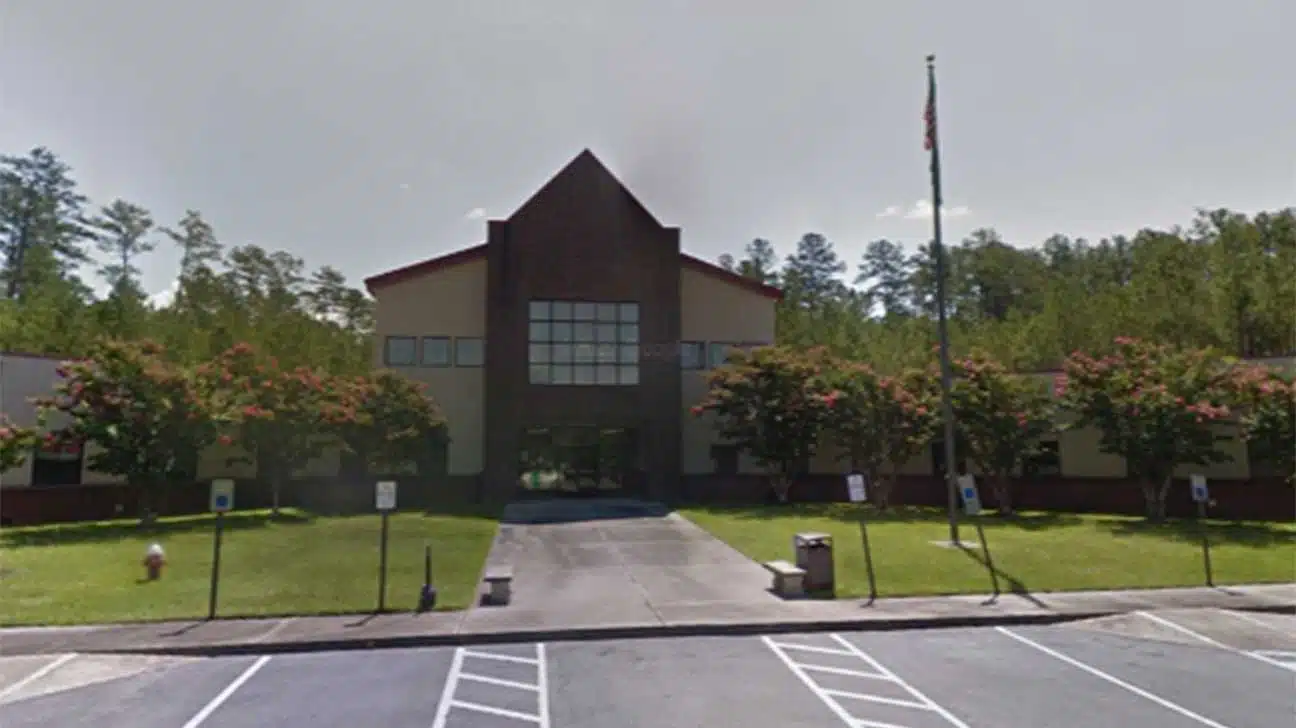
Residents of Aiken County with substance use disorders (SUDs) can receive support at the Aiken Center.
The Aiken Center promotes hopeful, healthy living and freedom from drug and alcohol addiction through prevention, treatment, and ongoing recovery support.
Trusted features:
- Commission on Accreditation of Rehabilitation Facilities (CARF) accreditation
- state licensure
- licensed staff
Levels of care:
- intensive outpatient program (IOP)
- outpatient program (OP)
Treatment services:
- 12-step recovery groups
- telehealth
- trauma-informed therapy
- counseling
- relapse prevention
- deaf and hard-of-hearing services
Payment options:
- government funding
- sliding fee scale
- self-payment
- private health insurance
- payment assistance
- Medicaid
Location and contact information:
1105 Gregg Hwy.
Aiken, SC 29801
(803) 649-1900
2. ALPHA Behavioral Health Center, Chesterfield, South Carolina
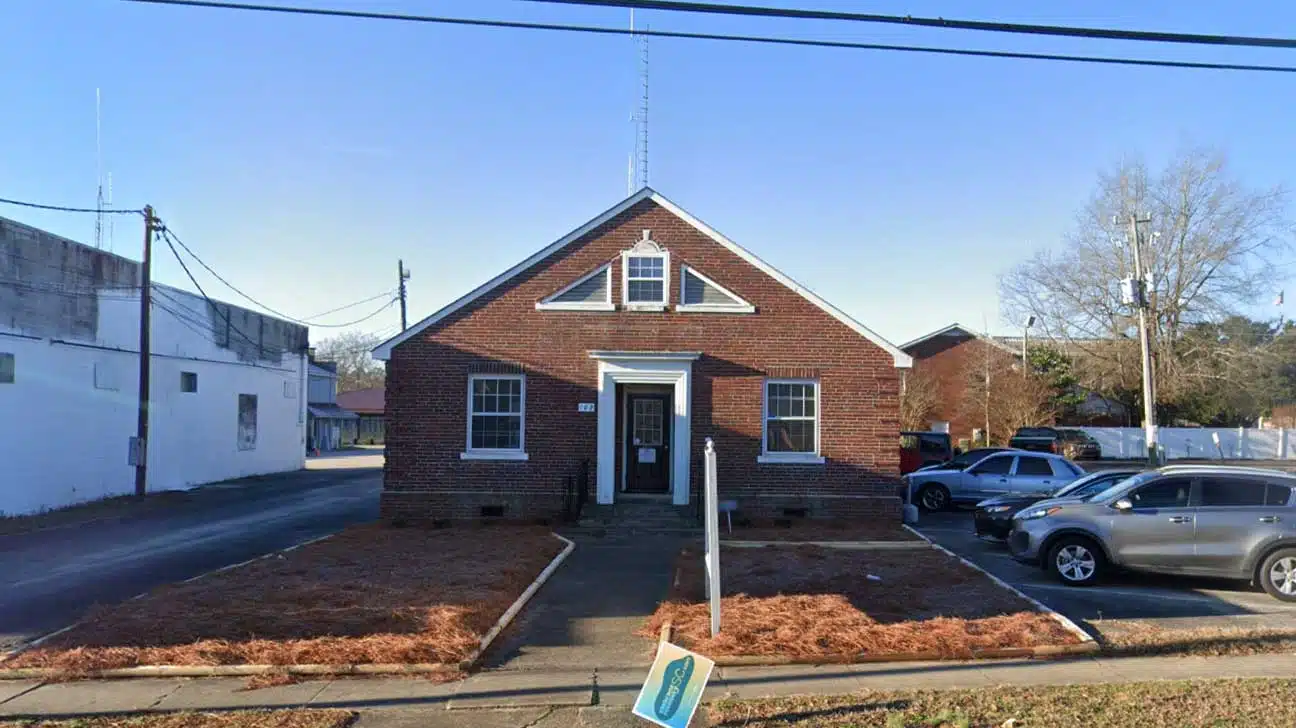
ALPHA Behavioral Health Center is a part of the Kershaw County Commission on Alcohol and Drug Abuse network.
Locations include facilities in Kershaw and Chesterfield counties, with another location called The Lee Center in Lee County.
Trusted features:
- Commission on Accreditation of Rehabilitation Facilities (CARF) accreditation
- state licensure
- licensed staff
- non-profit status
Levels of care:
- outpatient program (OP)
- medication-assisted treatment (MAT)
Treatment services:
- case management
- adolescent treatment
- counseling
- relapse prevention
- telehealth
- individual therapy
Payment options:
- self-payment
- government funding
- Medicaid
- private health insurance
Location and contact information:
1218 East Blvd.
Chesterfield, SC 29709
(843) 623-7062
3. Crossroads Treatment Center Of Columbia, Columbia, South Carolina
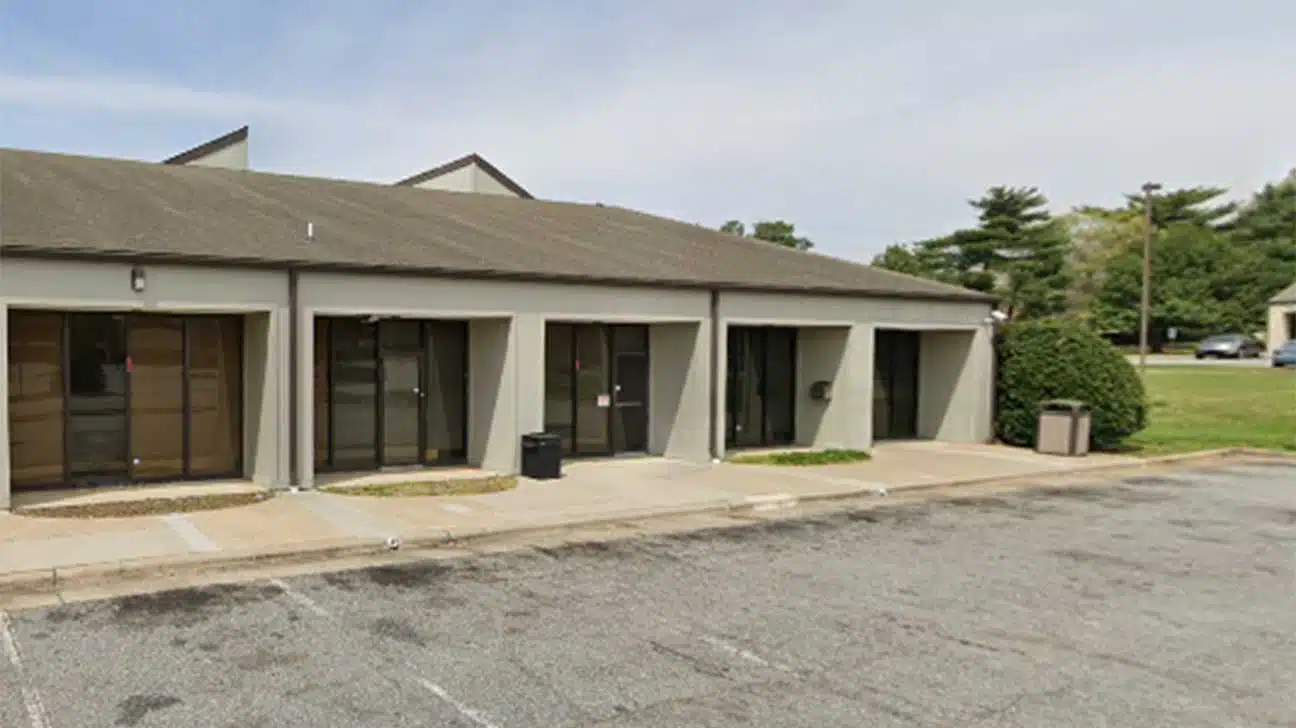
Since 2005, Crossroads has been treating clients in more than 110 clinics across nine states.
Based in Greenville, SC, Crossroads operates over 20 opioid addiction treatment programs and more than 85 office-based treatment clinics.
Trusted features:
- Commission on Accreditation of Rehabilitation Facilities (CARF) accreditation
- Substance Abuse and Mental Health Services Administration (SAMHSA) certification
- state licensure
- licensed staff
Levels of care:
- detoxification
- outpatient program (OP)
- medication-assisted treatment (MAT)
Treatment services:
- methadone treatment
- medication management
- counseling
- telehealth
- case management
- pregnant women’s addiction treatment
Payment options:
- TRICARE
- self-payment
- private health insurance
- Medicaid
- Medicare
Location and contact information:
1421 Bluff Rd.
Columbia, SC 29201
(800) 805-6989
4. Lexington Treatment Specialists, West Columbia, South Carolina
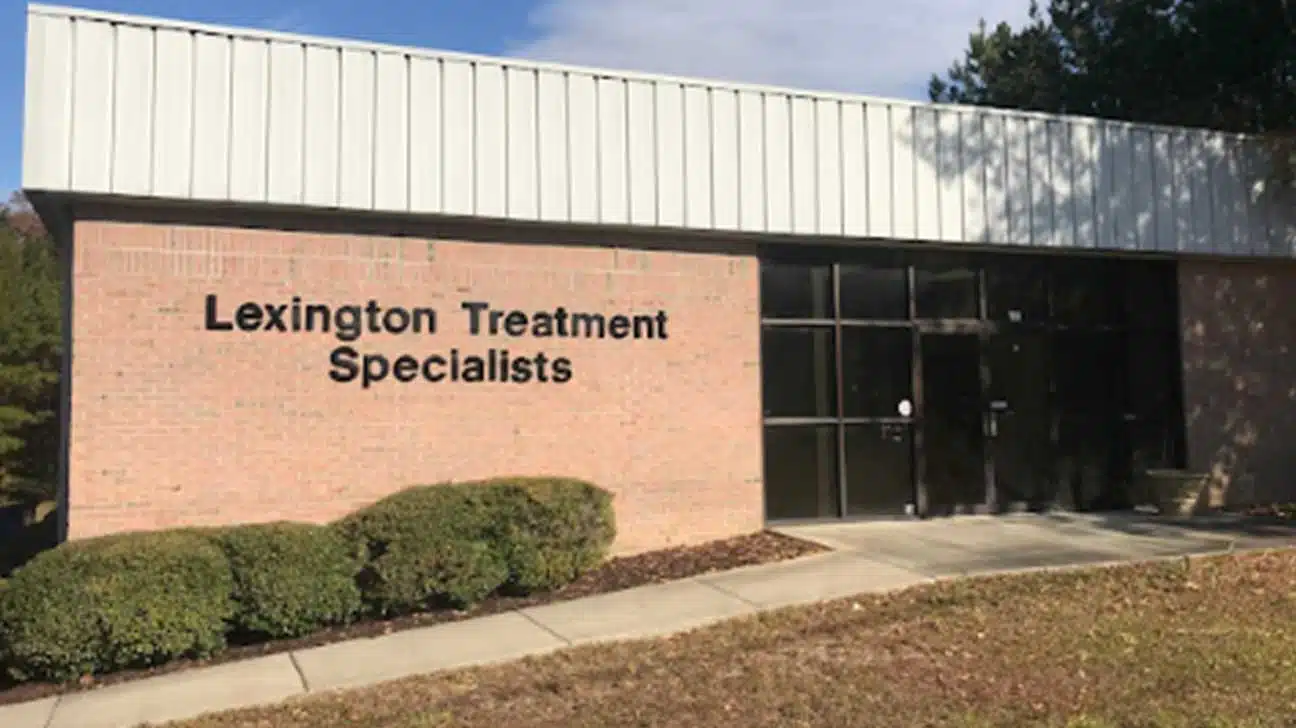
Lexington Treatment Specialists offers a collective, hands-on approach while providing professional care in a family-type setting.
The team at Lexington provides MAT plans customized to each client’s individual needs.
Trusted features:
- Commission on Accreditation of Rehabilitation Facilities (CARF) accreditation
- Substance Abuse and Mental Health Services Administration (SAMHSA) certification
- state licensure
- licensed staff
Levels of care:
- outpatient program (OP)
- medication-assisted treatment (MAT)
Treatment services:
- methadone treatment
- case management
- 12-step recovery groups
- telehealth
- counseling
- relapse prevention
Payment options:
- government funding
- Medicare
- Medicaid
- TRICARE
- private health insurance
- self-payment
Location and contact information:
185 Lott Ct.
West Columbia, SC 29169
(803) 719-4050
5. LRADAC, Lexington, South Carolina
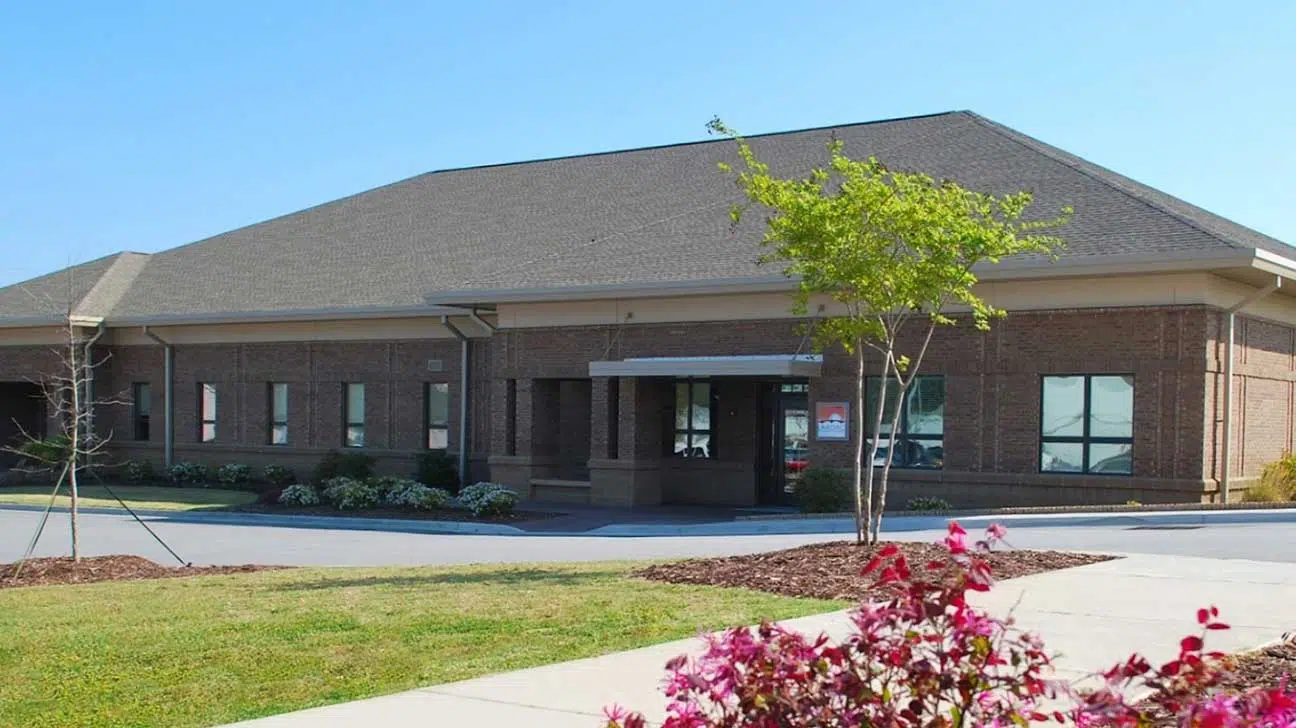
LRADAC cares for the needs of the citizens of Lexington and Richland counties of South Carolina.
This facility is one of 33 county alcohol and drug abuse authorities recognized by the state of South Carolina, serving all 46 counties in the state.
Trusted features:
- Commission on Accreditation of Rehabilitation Facilities (CARF) accreditation
- state licensure
- licensed staff
- non-profit status
Levels of care:
- intensive outpatient program (IOP)
- outpatient program (OP)
- medication-assisted treatment (MAT)
Treatment services:
- dual diagnosis treatment
- deaf and hard-of-hearing services
- case management
- individual therapy
- counseling
- telehealth
Payment options:
- payment assistance
- self-payment
- private health insurance
- Medicaid
- Medicare
- government funding
Location and contact information:
1068 S. Lake Dr.
Lexington, SC 29073
(803) 726-9400
6. Morris Village, Columbia, South Carolina
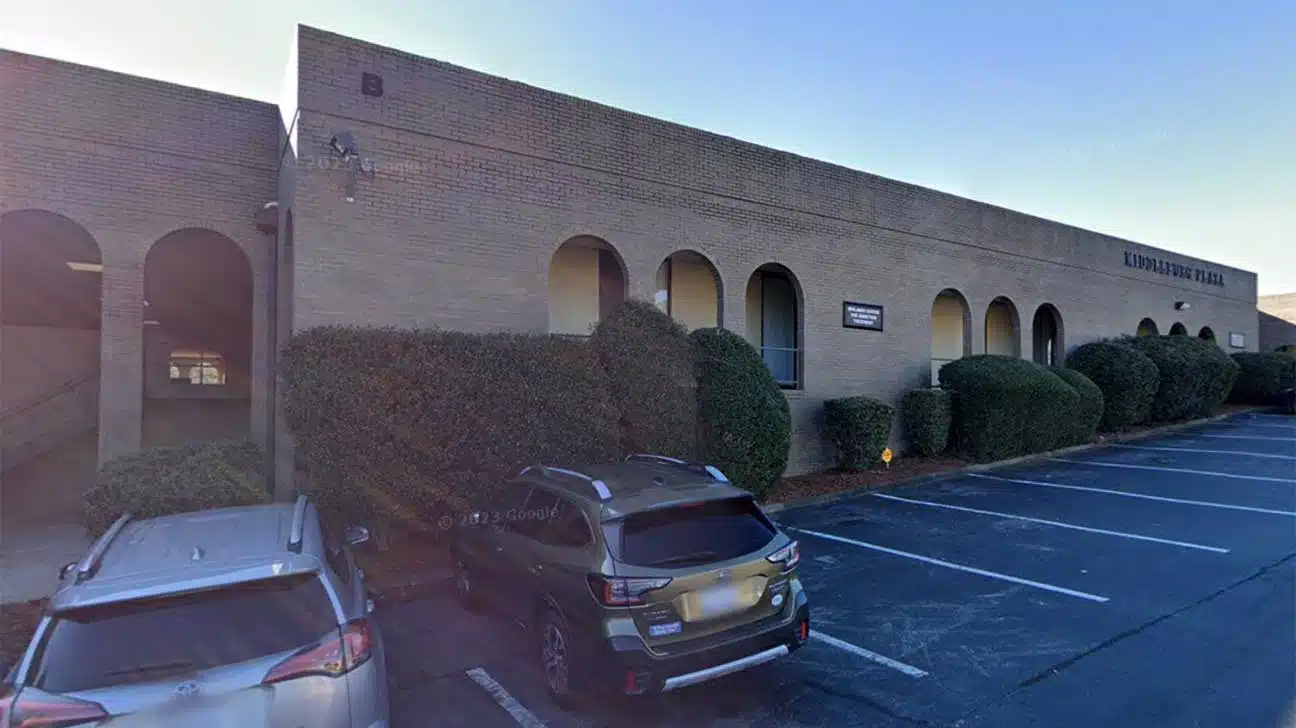
The Morris Village Alcohol and Drug Addiction Treatment Center (Morris Village) is an addiction treatment program under the Division of Inpatient Services of the South Carolina Department of Mental Health (SCDMH).
Clients of Morris Village can receive treatment for co-occurring disorders and drug addiction 24 hours a day, 365 days a year.
Trusted features:
- Commission on Accreditation of Rehabilitation Facilities (CARF) accreditation
- state licensure
- licensed staff
Levels of care:
- residential treatment
- inpatient treatment
- detoxification
- partial hospitalization program (PHP)
- medication-assisted treatment (MAT)
Treatment services:
- dual diagnosis treatment
- counseling
- medication management
- deaf and hard-of-hearing services
- case management
- 12-step recovery groups
Payment options:
- government funding
- TRICARE
- private health insurance
- self-payment
Location and contact information:
610 Faison Dr.
Columbia, SC 29203
(803) 935-7100
7. Prisma Health Richland Springs, Columbia, South Carolina
Prisma Health offers the latest drug abuse treatment services for adolescents, teens, and adults.
There are over 500 locations under the Prisma Health organization, including this Columbia, SC, drug rehabilitation center.
Trusted features:
- Joint Commission accreditation
- state licensure
- licensed staff
- non-profit status
Levels of care:
- detoxification
- partial hospitalization program (PHP)
- intensive outpatient program (IOP)
- outpatient program (OP)
- medication-assisted treatment (MAT)
Treatment services:
- dual diagnosis treatment
- methadone treatment
- counseling
- individual therapy
- relapse prevention
- trauma-informed therapy
Payment options:
- Medicare
- TRICARE
- private health insurance
- self-payment
Location and contact information:
720 Gracern Rd.
Ste. #120
Columbia, SC 29210
(803) 296-8765
8. The William J. McCord Adolescent Treatment Facility, Orangeburg, South Carolina
The William J. McCord Adolescent Treatment Facility is owned and operated by the Tri-County Commission on Alcohol and Drug Abuse (TCCADA).
The treatment facility serves the needs of the citizens of Bamberg, Orangeburg, and Calhoun counties of South Carolina.
Trusted features:
- Joint Commission accreditation
- state licensure
- licensed staff
- non-profit status
Levels of care:
- inpatient treatment
- detoxification
- partial hospitalization program (PHP)
- outpatient program (OP)
- medication-assisted treatment (MAT)
Treatment services:
- medication management
- adolescent treatment
- deaf and hard-of-hearing services
- telehealth
- counseling
- relapse prevention
- case management
Payment options:
- sliding fee scale
- government funding
- TRICARE
- self-payment
- Medicaid
- private health insurance
Location and contact information:
910 Cook Rd.
Orangeburg, SC 29118
(803) 534-2328
Sources Of South Carolina State Funding For Drug Rehab
State funding is provided through government-funded healthcare or through attending a program at drug treatment facilities that receive state funding through other sources.
Apply For Healthy Connections (Medicaid)
Those who are eligible for South Carolina Healthy Connections (South Carolina Medicaid) can apply for benefits and use them to fund your addiction treatment program.
Healthy Connections is a government-funded healthcare program offered to:
- pregnant women
- parent/caretaker relatives
- disabled people
- adults under age 64
The treatment cost of most programs that accept Healthy Connections is typically fully covered. Some services, including medications, may require a low co-pay.
Other government-funded health insurance programs include:
- Medicare
- TRICARE
- other state-funded private insurance
Learn more about using Healthy Connections to pay for addiction rehab.
Federal Grant Awards For Rehab Facilities
State grants are the most common way for non-profit, state-funded rehab centers to provide substance abuse education, prevention, and treatment.
The Substance Abuse and Mental Health Services Administration (SAMHSA) provides the Substance Abuse Block Grant (SABG) program.
South Carolina receives block grant funding every year for addiction treatment and recovery services.
Other Funding From The State For Addiction Treatment Centers
The South Carolina Department of Alcohol and Other Drug Abuse Services (DAODAS) State Opioid Response (SOR) Grant is offered through SAMHSA.
This grant provides funding to faith-based rehab facilities in South Carolina.
Types Of Treatment Covered By State Funding In South Carolina
State grants, Medicaid, and other funding sources cover a range of treatments for mental health and substance use disorders.
These funding sources can cover:
- peer support groups
- individual, group, and family therapy and counseling
- medication-assisted treatment (MAT)
- dual diagnosis care
- aftercare
- residential treatment
- sober living
- outpatient services
FAQs For State-Funded Rehab Programs
Finding a drug and alcohol treatment provider to support your recovery goals can be difficult.
The information provided below can help answer questions you may have about finding state-funded alcohol and drug addiction recovery centers.
Who Can Receive State-Funded Substance Abuse Treatment?
Anyone with a low income or who needs low-cost services can attend a state-funded rehab center by using Medicaid or choosing a grant-funded program.
Is Medicaid Accepted At All State-Funded Drug Rehab Centers In South Carolina?
Some, but not all, state-funded drug rehab centers in South Carolina accept Medicaid. Some only accept other payment methods.
How Long Is State-Funded Addiction Treatment In South Carolina?
The length of your program at a state-funded addiction treatment program will depend on the type and severity of your addiction.
Common treatment plan lengths are 30, 60, and 90 days.
Find A Drug And Alcohol Rehab Center Today
If you or a loved one would like to learn more about addiction treatment options, call AddictionReosurce.net today for free, confidential assistance.
Updated on January 18, 2024
Addiction Resource aims to provide only the most current, accurate information in regards to addiction and addiction treatment, which means we only reference the most credible sources available.
These include peer-reviewed journals, government entities and academic institutions, and leaders in addiction healthcare and advocacy. Learn more about how we safeguard our content by viewing our editorial policy.
- South Carolina Healthy Connections Medicaid — Getting Started
https://www.scdhhs.gov/Getting-Started - Substance Abuse and Mental Health Services Administration — Block Grants
https://www.samhsa.gov/grants/block-grants