
State-funded addiction treatment programs help keep costs low by accepting public insurance plans like Medicaid, Medicare, or TRICARE military insurance.
Some facilities use government funding or donations to help pay for treatment for clients with low incomes or without income.
List Of State-Funded Drug Rehab Centers In Tennessee
Our staff selected the following rehab programs based on various markers of high-quality care.
These include:
- accreditation
- licensing
- client testimonials
- certifications
- Google ratings
1. Aspell Recovery Center, Jackson, Tennessee
Aspell Recovery Center provides comprehensive addiction care to adult men and women. There is also a treatment program for pregnant women facing addiction.
Aspell has additional locations in Humboldt and Savannah.
Trusted features:
- state licensure
- 4.2-star Google rating
- client testimonials
- nonprofit status
Levels of care:
- residential treatment
- intensive outpatient program (IOP)
Treatment services:
- individual counseling
- group therapy
- sober living
- vocational assistance
- family therapy
Payment options:
- Medicaid
- payment assistance
- self-pay
Location and contact information:
331 N. Highland Ave.
Jackson, TN 38301
(731) 427-7238
2. Behavioral Health Group (BHG), Multiple Locations
BHG offers an evidence-based approach to opioid addiction treatment and recovery care. State funds accepted here include Medicare, Medicaid, and government grants.
BHG accepts new clients at all facilities and takes clients on a walk-in basis.
Trusted features:
- Joint Commission accreditation
- Commission on Accreditation of Rehabilitation Facilities (CARF) accreditation
- state licensure
- client testimonials
Levels of care:
- outpatient treatment
- medication-assisted treatment (MAT)
Treatment services:
- individual counseling
- group therapy
- family therapy
- methadone treatment
- buprenorphine treatment
Payment options:
- Medicaid
- Medicare
- private health insurance
- self-pay
Location and contact information:
2410 Charlotte Ave.
Nashville, TN 37203
(615) 321-2575
3. Centerstone, Multiple Locations
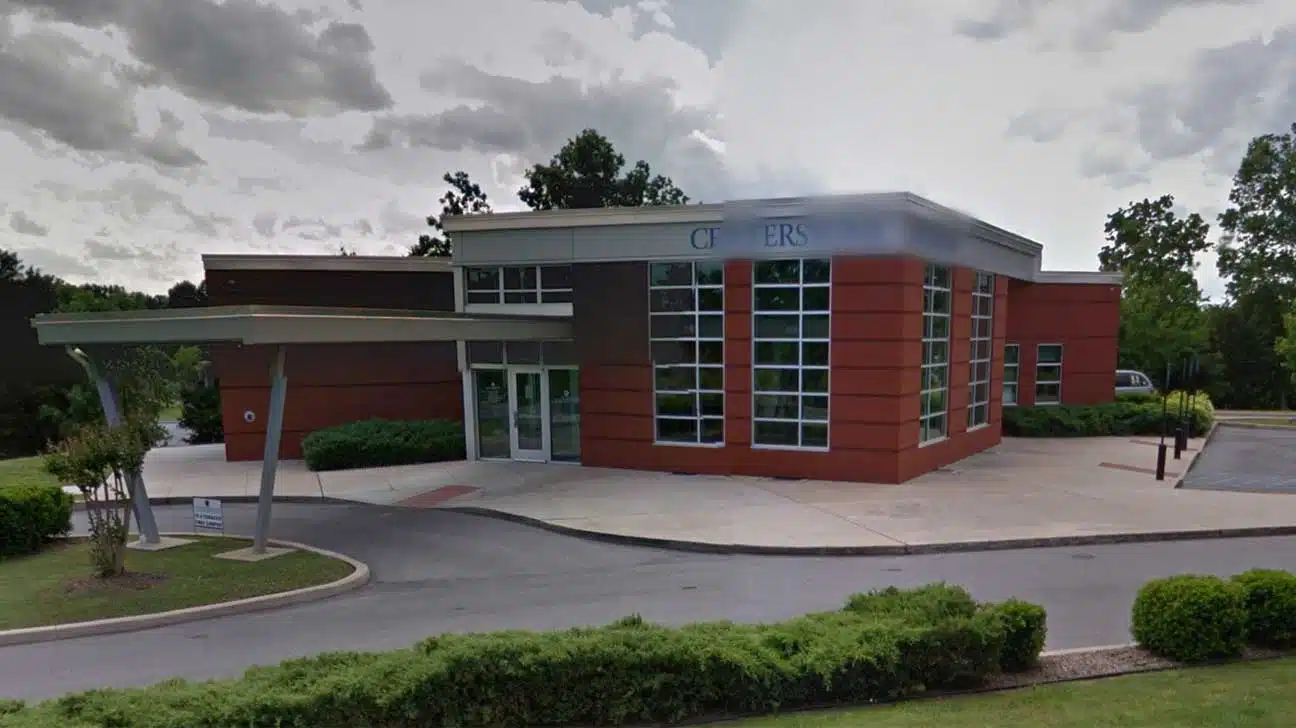
Centerstone features a full range of mental health and substance use disorder services available at over 170 locations. Funding sources include Medicaid, Medicare, and TRICARE.
Certain Centerstone facilities offer specialized programs for veterans and other military personnel, housing assistance, and more.
Trusted features:
- state licensure
- client testimonials
- nonprofit status
Levels of care:
- detoxification
- residential treatment
- intensive outpatient program (IOP)
- outpatient treatment
- medication-assisted treatment (MAT)
Treatment services:
- individual counseling
- group therapy
- peer recovery support
- dual diagnosis mental health care
- buprenorphine treatment
- psychoeducation
- primary medical care
Payment options:
- Medicaid
- Medicare
- TRICARE
- private health insurance
- self-pay
Location and contact information:
1921 Ransom Pl.
Nashville, TN 37217
(615) 279-6700
4. Health Connect America, Multiple Locations
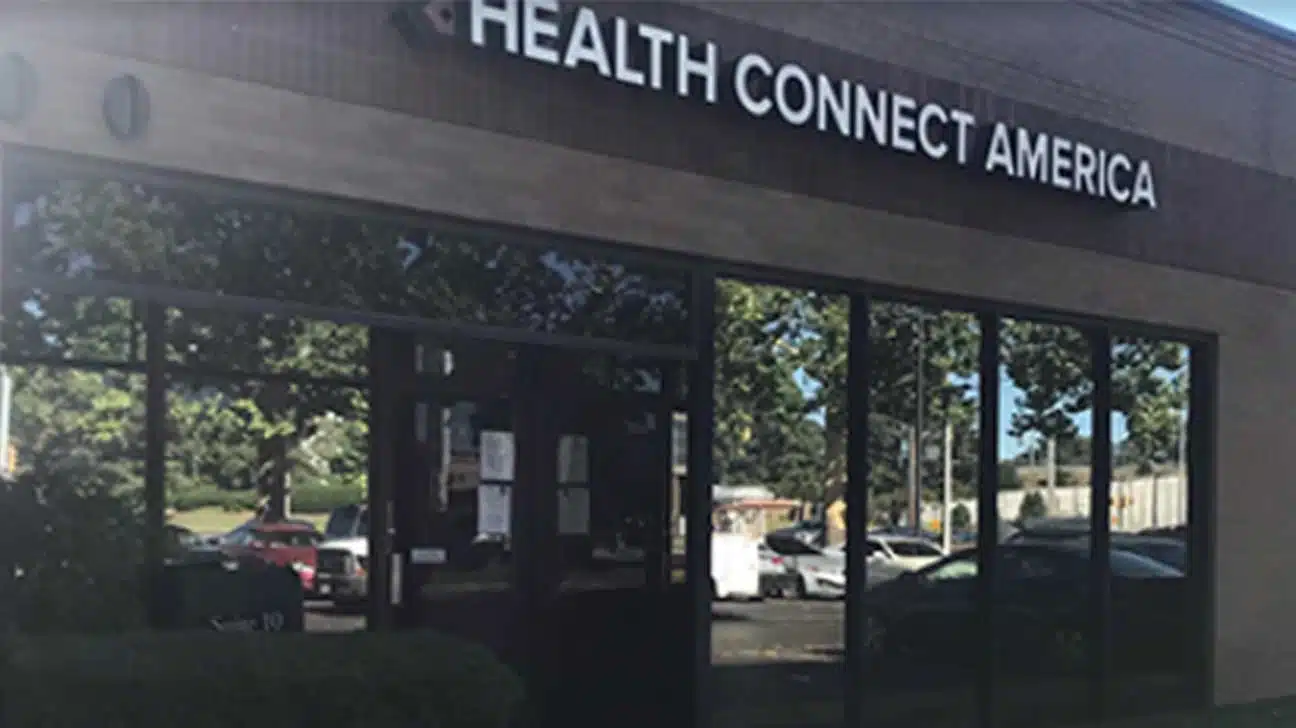
You can receive reputable treatment services at Health Connect America using state funding options like Medicaid and other government programs for substance abuse treatments.
This rehabilitation program in Franklin, TN is one of many throughout the state with care for adults, adolescents, and families.
Trusted features:
- Council on Accreditation (COA) accreditation
- state licensure
- high Google ratings
- client testimonials
Levels of care:
- intensive outpatient program (IOP)
- outpatient treatment
Treatment services:
- individual counseling
- group therapy
- family therapy
- dual diagnosis mental health care
- trauma-informed care
Payment options:
- Medicaid
- Medicare
- private health insurance
- self-pay
- sliding-scale fees
Location and contact information:
508 Autumn Springs Crt.
Unit 2A
Franklin, TN 37067
(615) 567-6726
5. JourneyPure, Murfreesboro, Tennessee
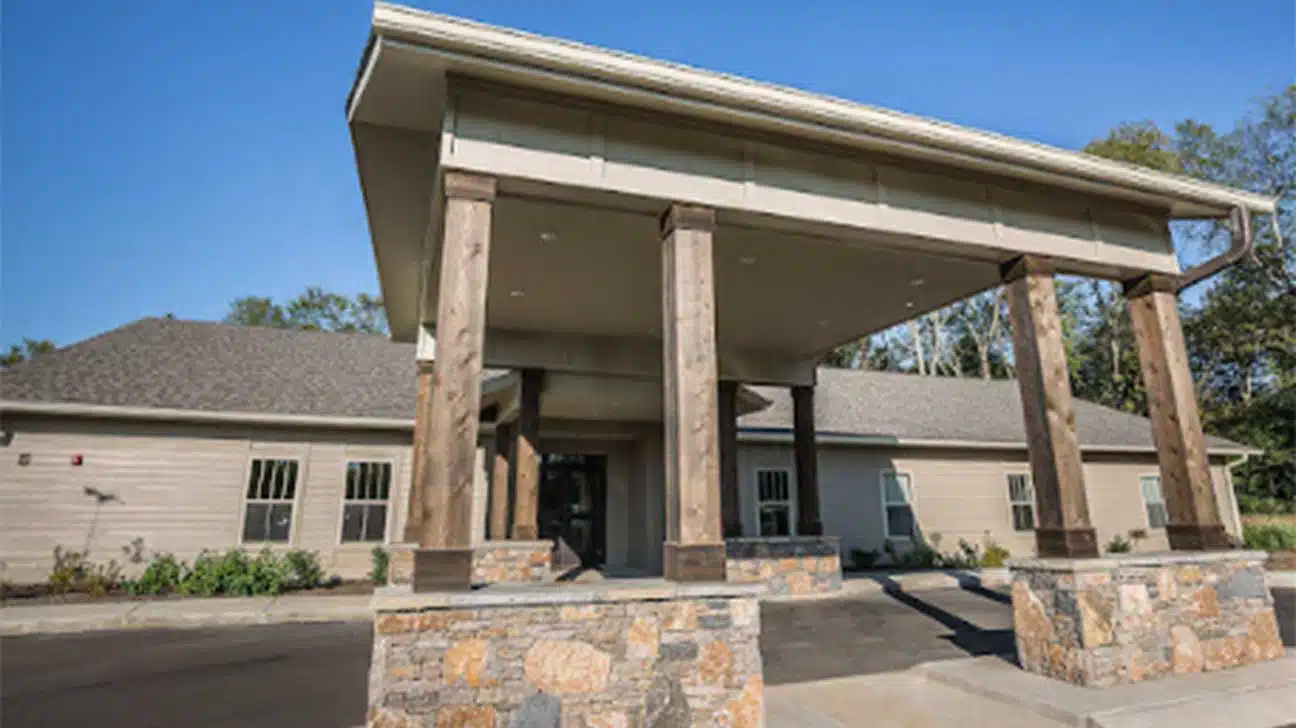
JourneyPure accepts an array of state funding including IHS/Tribal/Urban (ITU) funds, TRICARE, and other government-financed health insurance plans.
This facility offers standard treatment options for clients as well as equine therapy, a ropes course, an outdoor amphitheater, and more.
Trusted features:
- Commission on Accreditation of Rehabilitation Facilities (CARF) accreditation
- 4.5-star Google rating
- state licensure
Levels of care:
- detoxification
- residential treatment
- aftercare
Treatment services:
- individual counseling
- group therapy
- relapse prevention
- family therapy
- holistic services
- dual diagnosis mental health care
- trauma-informed care
Payment options:
- TRICARE
- private health insurance
- self-pay
Location and contact information:
5080 Florence Rd.
Murfreesboro, TN 37129
(615) 410-9260
6. McNabb Center, Multiple Locations
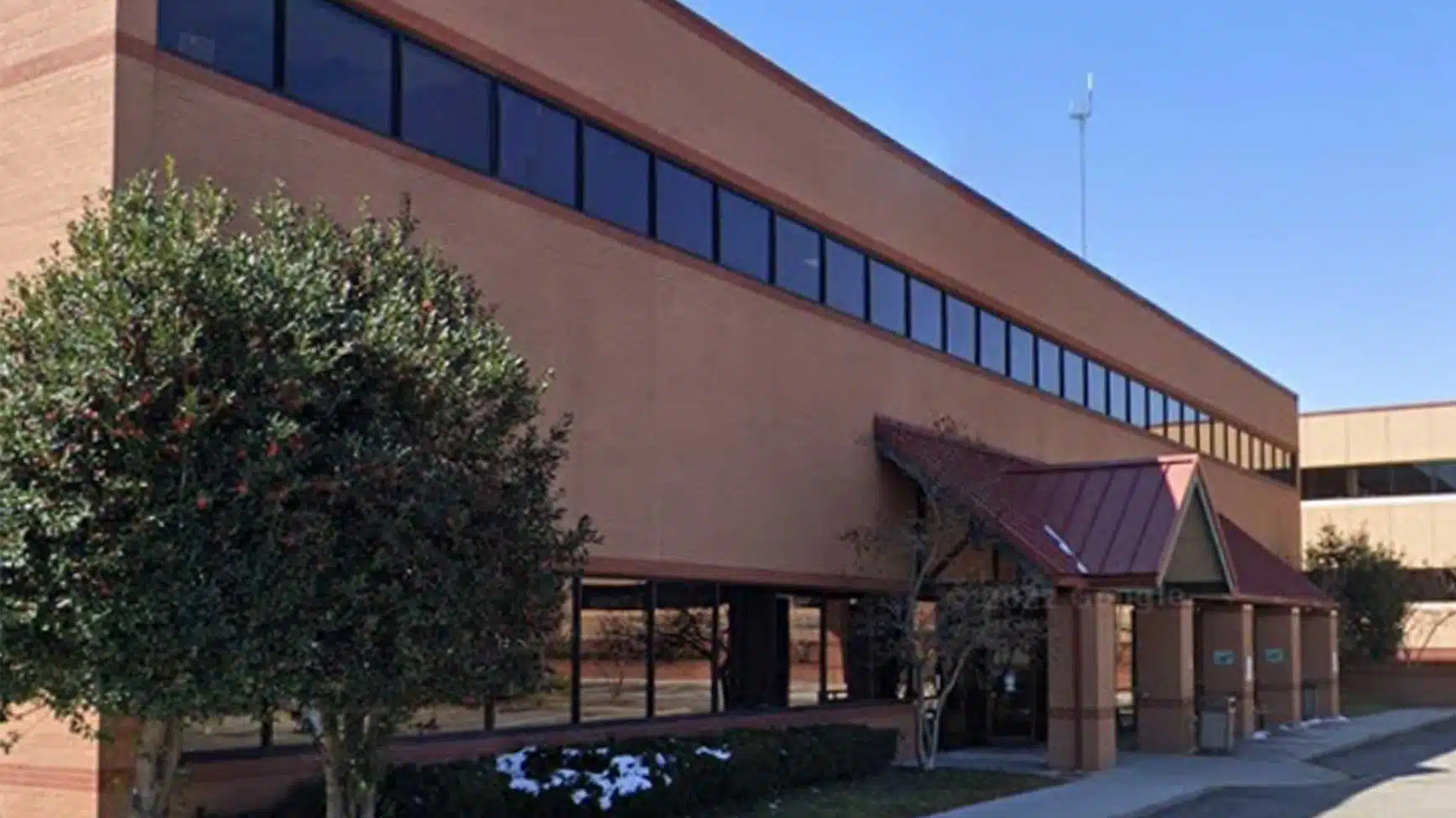
The McNabb Center offers addiction treatment at multiple locations throughout the state of Tennessee.
In addition to standard mental health and substance abuse care, this facility can help by providing social services, veterans treatment, and more.
Trusted features:
- Commission on Accreditation of Rehabilitation Facilities (CARF) accreditation
- United Way partnership
- state licensure
- nonprofit status
Levels of care:
- residential treatment
- intensive outpatient program (IOP)
- medication-assisted treatment (MAT)
Treatment services:
- individual counseling
- group therapy
- family therapy
- psychoeducation
- peer recovery support
- dual diagnosis mental health care
Payment options:
- Medicaid
- private health insurance
- self-pay
Location and contact information:
601 Cumberland St.
Chattanooga, TN 37404
(423) 763-0101
7. Rolling Hills Hospital, Franklin, Tennessee
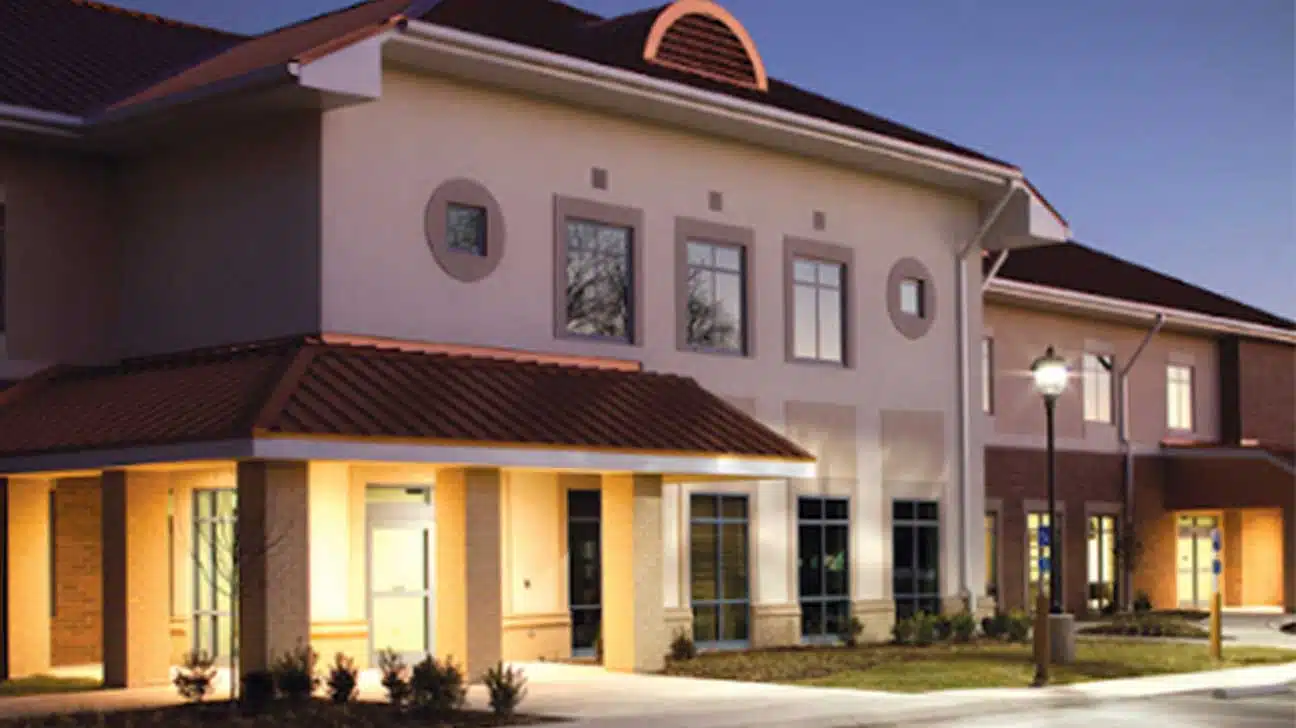
Here, you can get state-funded behavioral health therapy through Medicaid, Medicare, TRICARE, and other government-financed health insurance plans.
There is a wide variety of mental health and addiction services available here for both adults and adolescents.
Trusted features:
- Joint Commission accreditation
- state licensure
- 3.6-star Google rating
- client testimonials
Levels of care:
- detoxification
- residential treatment
- partial hospitalization program (PHP)
- intensive outpatient program (IOP)
- aftercare
Treatment services:
- individual counseling
- group therapy
- family therapy
- psychoeducation
- holistic services
- dual diagnosis mental health care
Location and contact information:
2014 Quail Hollow Cir.
Franklin, TN 37067
(615) 807-4059
8. Serenity Recovery Centers, Memphis, Tennessee
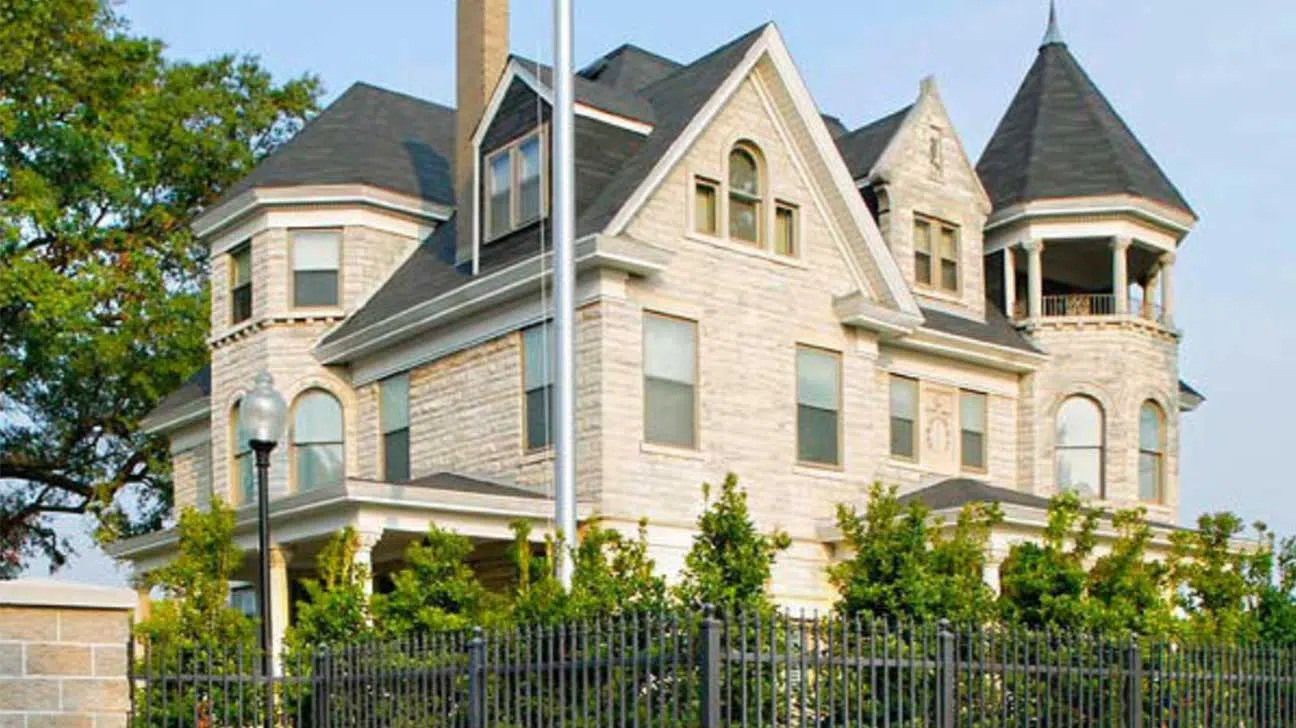
Serenity Recovery Centers offer evidence-based treatments like MAT, residential care, counseling, and aftercare support groups.
This Memphis, TN rehab program receives state funding under a grant contract with the State of Tennessee Department of Mental Health and Substance Abuse Services.
Trusted features:
- state licensure
- client testimonials
- evidence-based practices
Levels of care:
- residential treatment
- medication-assisted treatment (MAT)
- aftercare
Treatment services:
- individual counseling
- group therapy
- 12-step programming
- psychoeducation
- sober living
- prevention
- life skills education
- holistic services
Payment options:
- private health insurance
- self-pay
Location and contact information:
1094 Poplar Ave.
Memphis, TN 38105
(901) 521-1131
Sources Of State Funding For Tennessee Rehab Treatment
You can get state funds through a healthcare insurance program, government-funded grants, or by attending a rehab center that is directly funded by the state.
TennCare (Tennessee Medicaid)
TennCare is the state of Tennessee’s Medicaid program. To get TennCare, you have to meet certain income and resource requirements.
Some of the groups TennCare provides coverage for include:
- children under 21
- pregnant women
- people with cervical cancer
- a person who has income below $2,382 per month
Learn more about using TennCare to pay for addiction treatment.
Federal Government Grants
Another option is a grant awarded from the Substance Abuse Mental Health Services Administration (SAMHSA). These grants are available in all 50 states.
This includes SAMHSA’s Substance Use Prevention, Treatment, and Recovery Services Block Grant (SUBG), which provides funds that may be used as a form of payment for treatment services.
To qualify for treatment, your income must meet the 133% federal poverty guideline.
Additional State Funding To Tennessee Rehab Centers
Keep reading for other state-funded resources for addiction treatment in Tennessee.
Some of the other state-awarded funds go towards:
- Treatment for Individuals Experiencing Homelessness — $500,000 has been allocated in Nashville to help people who are homeless get outpatient treatment and recovery services, including temporary housing.
- Project Rural Recovery — In 2020, $10 million was awarded to Tennessee from the federal government for a five-year program aimed at reaching rural populations in need of addiction treatment in east Tennessee and southern middle Tennessee.
Types Of Drug And Alcohol Treatment Services Covered By Tennessee State Funding
State-funded treatment in Tennessee covers a range of services.
These treatment services may include:
- behavioral therapy for adolescents
- treatment at a detox center
- IOP
- MAT
- outpatient treatment
- case management
- group therapy for alcohol addiction
FAQs For State-Funded Rehab Programs In Tennessee
Find more useful information about state-funded rehab facilities in Tennessee below.
Do All State-Funded Rehab Programs In Tennessee Accept Medicaid?
Most rehab centers in Tennessee that receive state funds will accept Medicaid, but not all of them.
However, you may still be able to access low-cost treatment through a treatment center in Tennessee by using health insurance, taking out a health loan, applying for a scholarship, or other payment options.
Are State-Funded Rehab Centers In Tennessee Accredited?
Accreditation is a long and oftentimes costly process. Some rehab programs may have accreditations from organizations like CARF and the Joint Commission, but some will not.
You should always check to see if a rehab center features top qualities such as accreditations, state certifications, and positive reviews from past clients before making your choice.
Can I Get Free Drug Treatment At A State-Funded Rehab Program In Tennessee?
When using funds provided by the state or federal government, you may be able to get drug and alcohol treatment that will cost you nothing out-of-pocket.
Another option is to search for a non-profit recovery program that offers its services for free. See our list of free rehab centers in Tennessee for additional information.
Find Substance Abuse Treatment Today
If you or a loved one is battling drug addiction or alcohol dependency, don’t wait to find help. To learn more about the treatment options available to you, call us today.
Updated on January 19, 2024
Addiction Resource aims to provide only the most current, accurate information in regards to addiction and addiction treatment, which means we only reference the most credible sources available.
These include peer-reviewed journals, government entities and academic institutions, and leaders in addiction healthcare and advocacy. Learn more about how we safeguard our content by viewing our editorial policy.
- Tennessee Department of Mental Health & Substance Abuse Services – Project Rural Recovery
https://www.tn.gov/behavioral-health/substance-abuse-services/treatment---recovery/treatment---recovery/project-rural-recovery.html