
The state of Texas is home to many state-funded rehab facilities for people facing substance use disorder (SUD) and mental health issues.
Learn about the top state-funded drug and alcohol addiction treatment facilities in Texas below.
List Of State-Funded Addiction Treatment Centers In Texas
The following state-funded addiction recovery centers in Texas feature many signs of high-quality care.
Some of these indicators of quality include:
- accreditation
- partnerships
- high Google ratings
- positive reviews
1. Addiction & Psychotherapy Services, Austin, Texas
Addiction & Psychotherapy Services is an Austin, TX, drug abuse center providing services for opioid use disorder (OUD) and other forms of chemical dependency.
Founded in 1982 and family-run, Addiction & Psychotherapy Services helps people in the southern area of Austin.
Trusted features:
- Joint Commission accreditation
- Substance Abuse and Mental Health Services Administration (SAMHSA) certification
- state licensure
- licensed staff
Levels of care:
- detoxification
- outpatient program (OP)
- medication-assisted treatment (MAT)
Treatment services:
- methadone treatment
- buprenorphine treatment
- relapse prevention
- counseling
- cognitive behavioral therapy (CBT)
- motivational interviewing (MI)
Payment options:
- Medicare
- government funding
Location and contact information:
2824 S. Congress Ave.
Austin, TX 78704
(512) 444-5092
2. Cenikor Foundation, Amarillo, Texas
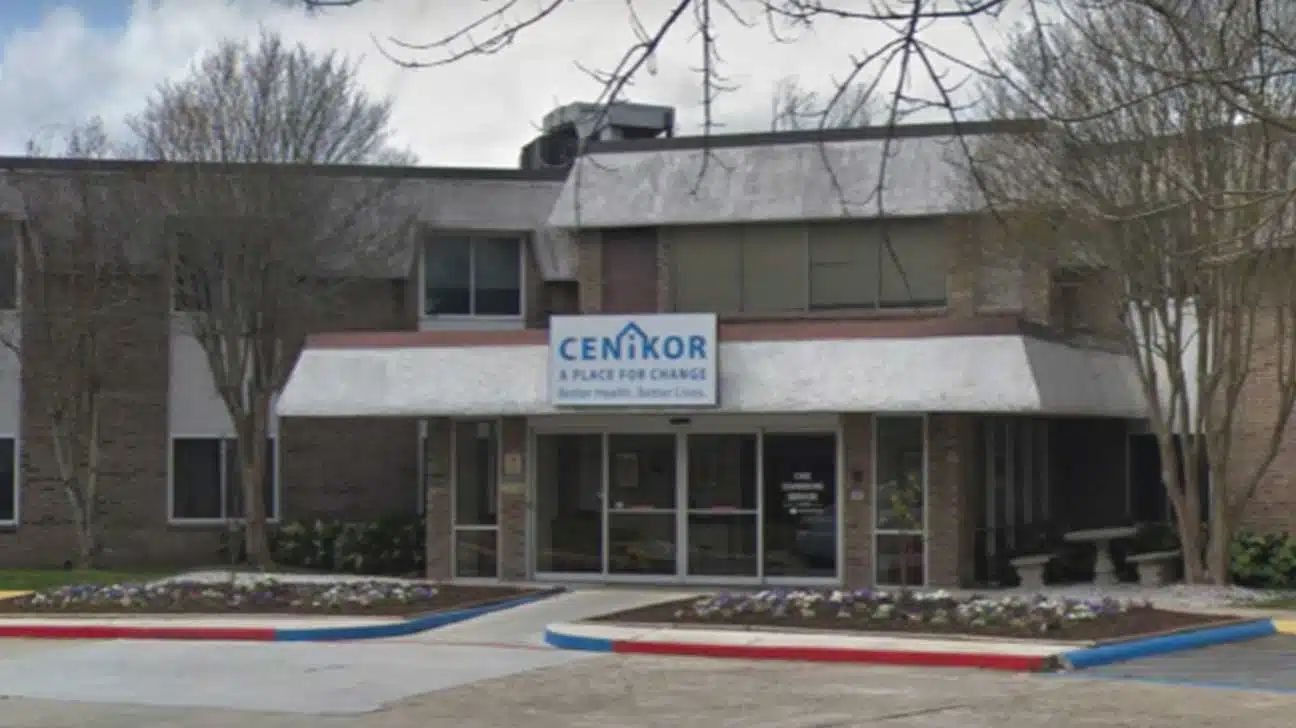
Cenikor Foundation is an addiction treatment provider with over 500 employees and several locations throughout Texas.
Other locations include Austin, Corpus Christi, Houston, Killeen, San Marcos, Tyler, and Waco as well as a rehabilitation center in New Mexico.
Trusted features:
- Commission on Accreditation of Rehabilitation Facilities (CARF) accreditation
- state licensure
- licensed staff
- non-profit status
Levels of care:
- residential treatment
- inpatient treatment
- detoxification
- partial hospitalization program (PHP)
- medication-assisted treatment (MAT)
- aftercare
Treatment services:
- medication management
- naltrexone treatment
- sober living
- cognitive behavioral therapy (CBT)
- relapse prevention
- counseling
Payment options:
- Medicaid
- TRICARE
- Medicare
- government funding
- private health insurance
- self-payment
Location and contact information:
1001 Wallace Blvd.
Amarillo, TX 79106
(888) 236-4567
3. Family Houston, Houston, Texas
Family Houston was founded in 1904 by 12 citizens who wanted to help people after a devastating hurricane rattled the city.
Today, Family Houston serves Texans in Brookshire, The Woodlands, Strafford, and Houston with different types of treatments and care.
Trusted features:
- Joint Commission accreditation
- state licensure
- licensed staff
- non-profit status
Levels of care:
- outpatient program (OP)
Treatment services:
- family therapy
- dialectical behavior therapy (DBT)
- counseling
- treatment referrals
- LGBTQ+ services
- adolescent treatment
Payment options:
- Medicare
- Medicaid
- TRICARE
- private health insurance
- self-payment
- government funding
Location and contact information:
4950 Memorial Dr.
Houston, TX 77007
(713) 861-4849
4. Integral Care, Austin, Texas
Integral Care has helped over 27,000 clients in Travis County overcome drug use and mental health issues.
Started over 55 years ago, the organization employs over 1,000 staff members providing a wide range of drug and alcohol treatment services.
Trusted features:
- Joint Commission accreditation
- state licensure
- licensed staff
- non-profit status
Levels of care:
- residential care
- detoxification
- outpatient program (OP)
- aftercare
Treatment services:
- dual diagnosis treatment
- deaf and hard-of-hearing services
- individual therapy
- counseling
- case management
- telehealth
Payment options:
- payment assistance
- sliding fee scale
- government funding
- Medicaid
Location and contact information:
1165 Airport Blvd.
Austin, TX 78702
(512) 804-3463
5. Recovery Unplugged Encore, Austin, Texas
Recovery Unplugged combines evidence-based addiction treatment with innovative music-focused practices to restore hope and healing.
This music-centered drug and alcohol rehab center has locations in Texas, Florida, Tennessee, Virginia, Pennsylvania, and Washington, D.C.
Trusted features:
- Joint Commission accreditation
- state licensure
- licensed staff
Levels of care:
- partial hospitalization program (PHP)
- intensive outpatient program (IOP)
- outpatient program (OP)
- medication-assisted treatment (MAT)
Treatment services:
- naltrexone treatment
- medication management
- adolescent treatment
- 12-step recovery groups
- counseling
- individual therapy
Payment options:
- government funding
- private health insurance
- self-payment
Location and contact information:
5419 S. Congress Ave.
Austin, TX 78745
(888) 334-1189
6. WTCR, Plano, Texas
WTCR was founded in west Texas in 1981 by a licensed substance abuse medical professional.
Since its inception, it has expanded to serving Abilene, Dallas, Garland, Irving, Plano, Midland, Odessa, San Angelo, and Temple.
Trusted features:
- Substance Abuse and Mental Health Services Administration (SAMHSA) certification
- state licensure
- licensed staff
Levels of care:
- detoxification
- outpatient program (OP)
- medication-assisted treatment (MAT)
Treatment services:
- 12-step recovery groups
- counseling
- individual therapy
- case management
- medication management
- methadone treatment
Payment options:
- payment assistance
- Medicaid
- Medicare
- government funding
- private health insurance
- self-payment
Location and contact information:
1108 Dobie Dr.
Ste. #102
Plano, TX 75074
(972) 516-2900
Sources Of State Funding For Rehab Centers In Texas
State-funded drug and alcohol abuse treatment programs are funded through Medicaid and federal and state grant awards.
Medicaid Reimbursement
One of the primary ways drug and alcohol rehab centers get state funding is through government-funded health care, such as Medicaid and Medicare.
You can access free drug rehab programs in Texas by using these benefits and finding treatment centers that accept Medicaid.
Medicaid coverage is available for the following Texas residents with low incomes:
- children and families
- youth in foster care
- women
- children and adults with disabilities
- those who are 65 years of age or older
To be eligible for Medicaid in Texas (along with other American states), you must also meet the income requirements.
The most you will need to cover is a fixed copay, but no one is denied services covered under Medicaid for an inability to pay.
Learn more about rehab centers in Texas that accept Medicaid insurance coverage.
State And Federal Grants For Addiction Treatment Providers
Some recovery centers might get funding from the state or federal governments through grant awards.
They can then use these funds to lower the cost of treatment for some clients in need of financial assistance.
Two of the major sources of funding come from the Substance Abuse and Mental Health Services Administration (SAMHSA).
SAMHSA provides a mental health block grant and a substance abuse treatment block grant.
These grant programs aim to help:
- adults and children with serious mental illnesses
- people who use intravenous drugs
- pregnant women facing substance abuse
Types Of State-Funded Addiction Treatment Programs In Texas
State-funded rehab facilities in Texas offer multiple levels of care for free or at a low cost.
These include:
- outpatient rehab programs
- inpatient drug programs
- medical detox
- individualized treatment plans
- short-term options, such as PHP
If you qualify for Medicaid, your benefits and covered services will vary based on the health plan you choose.
Texas Medicaid offers five health plans, which may cover services such as:
- behavioral therapy
- individual, group, and family therapy
- inpatient treatment
- residential treatment
- outpatient treatment
- MAT programs
- holistic treatment
FAQs For State-Funded Rehab Programs
Below we’ve answered a few of the most commonly asked questions about state-funded rehab centers.
What Are Some Of The Benefits Of State-Funded Rehab Centers In Texas?
There are several benefits of seeking help through a state-funded drug rehabilitation center.
Some of these include:
- low-cost or free rehab services
- evidence-based methods of treating addiction
- quality mental health counseling
What Is The Difference Between State-Funded Rehab And Private Rehab In Texas?
State-funded rehab centers often provide a limited range of treatment services, though you can find nearly any type of treatment you need when you consider each treatment center available.
These rehab centers also typically have long waiting lists due to a high volume of people in need of low-cost care.
Private rehab centers in Texas have more funding available and typically provide a wider range of care levels and services, and have more space for new residents and participants.
What Type Of Drug Rehabilitation Is Offered At A State-Funded Rehab Center In Texas?
You or a loved one can find many levels of care and a variety of treatment options in a state-funded treatment facility.
Treatment programs and services offered include:
- inpatient and outpatient programs
- drug and alcohol detox
- counseling (including individual and group sessions)
Can I Use Private Health Insurance At A State-Funded Rehab Center In Texas?
Many state-funded rehab centers across America also accept private insurance providers.
Some also offer a sliding scale, scholarships, and other payment assistance options.
Find Substance Abuse Treatment Today
Start the journey to recovery from drug or alcohol abuse today by calling AddictionResource.net for help finding the right treatment center.
Updated on January 18, 2024
Addiction Resource aims to provide only the most current, accurate information in regards to addiction and addiction treatment, which means we only reference the most credible sources available.
These include peer-reviewed journals, government entities and academic institutions, and leaders in addiction healthcare and advocacy. Learn more about how we safeguard our content by viewing our editorial policy.
- Aetna Better Health of Texas — Medicaid (STAR) Member Handbook
https://www.aetnabetterhealth.com/texas/members/medicaid/handbook - Texas Health and Human Services — Medicaid & CHIP
https://www.hhs.texas.gov/services/health/medicaid-chip - Texas Health and Human Services — Questions About Your Benefits
https://www.hhs.texas.gov/services/questions-about-your-benefits - Texas Veterans Commission — Grants
https://www.tvc.texas.gov/grants/