
State-funded addiction recovery centers in Wisconsin provide residents with evidence-based addiction treatment that is funded by state, local, and federal funding.
These rehab facilities make it possible for low-income residents to access addiction treatment and mental health services at a low cost or at no cost.
If you are eligible for a health insurance plan through TRICARE, IHS/Tribal/Urban (ITU) funds, Medicaid, or Medicare, you may be able to access free rehab services.
Other government funding options exist to extend free or low-cost addiction treatment to additional Wisconsin residents.
Read on to learn about some of the top state-funded addiction treatment centers in Wisconsin, including the services offered at these facilities.
List Of State-Funded Addiction Treatment Centers In Wisconsin
Our team has selected a list of state-funded rehab centers that provide evidence-based care and top-rated services for drug and alcohol treatment.
Trusted qualifications of these facilities include:
- accreditation
- client testimonials
- high Google ratings
- evidence-based treatment
- other marks of quality care
1. Addiction Services And Pharmacotherapy (ASAP), Madison, Wisconsin
ASAP is an addiction treatment program that specializes in medication-assisted treatment (MAT) for opioid use disorder.
Medications provided include methadone, Suboxone, and Vivitrol and are paired with addiction counseling for lasting recovery.
Trusted features:
- accredited by the Commission on Accreditation of Rehabilitation Facilities (CARF)
- certified by the Substance Abuse and Mental Health Services Administration (SAMHSA)
- high Google ratings
- evidence-based treatment
Levels of care:
- outpatient treatment
- MAT
Treatment services:
- methadone treatment
- Suboxone treatment
- Vivitrol treatment
- individual therapy
- telehealth
Payment options:
- Medicaid
- Medicare
- government funding
- private insurance plans
- self-pay
Location and contact information:
210 E. Olin Ave.
Madison, WI 53713
(608) 807-1428
2. AMS Of Wisconsin, Oshkosh, Wisconsin
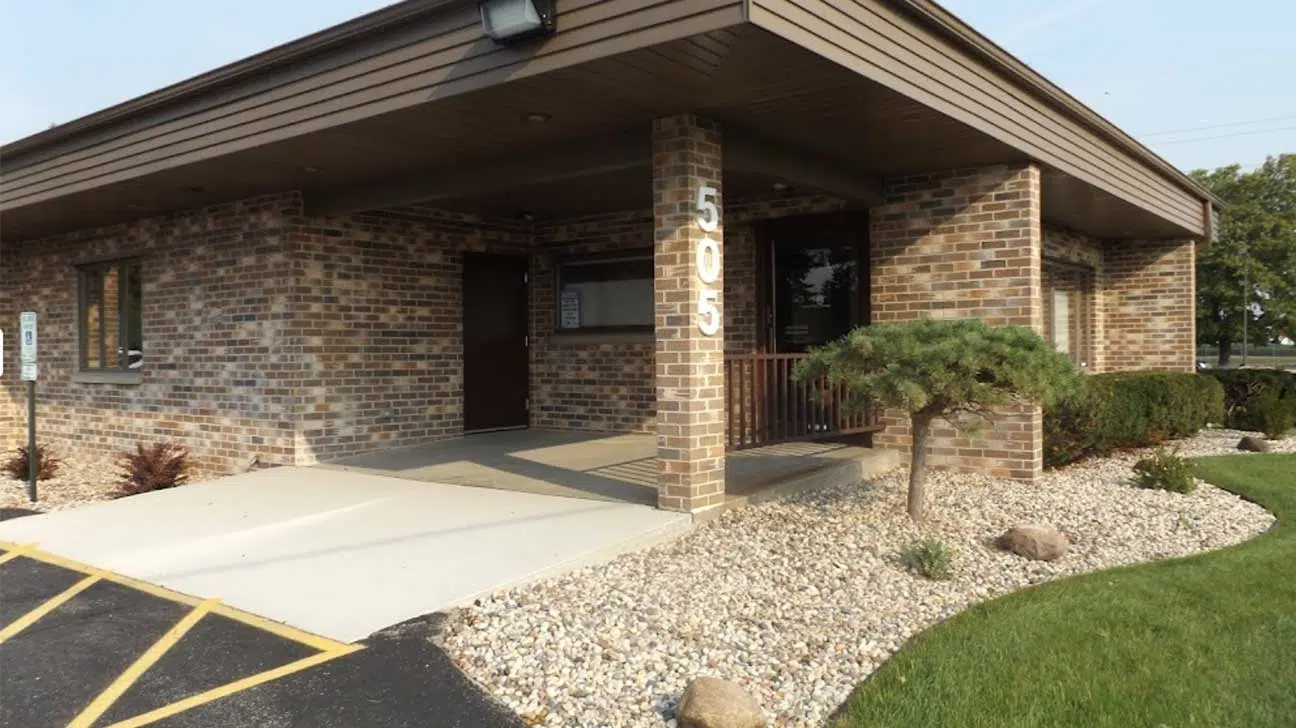
AMS of Wisconsin provides a range of substance use disorder treatment services, which includes outpatient programs and MAT services.
Therapy here aims to motivate clients to replace addictive behaviors with healthy behaviors.
Trusted features:
- accredited by the Commission on Accreditation of Rehabilitation Facilities (CARF)
- certified by the Substance Abuse and Mental Health Services Administration (SAMHSA)
- state licensure
- client testimonials
- evidence-based treatment
Levels of care:
- detox
- outpatient treatment
- intensive outpatient program (IOP)
- MAT
- aftercare
Treatment services:
- Suboxone treatment
- Vivitrol treatment
- individualized treatment plans
- individual therapy
- behavioral therapy
Payment options:
- Medicaid
- Medicare
- private insurance plans
- self-pay
Location and contact information:
505 S. Washburn St.
Oshkosh, WI 54904
(920) 232-2332
3. Community Medical Services (CMS), Multiple Locations
CMS is an outpatient treatment center that specializes in the treatment of opioid use disorder. Services include behavioral therapy and MAT.
CMS has treatment facilities in south Milwaukee, West Allis, Madison, and Pewaukee. Specialized MAT services are offered for pregnant women with substance use disorder.
Trusted features:
- accredited by the Commission on Accreditation of Rehabilitation Facilities (CARF)
- American Association for the Treatment of Opioid Dependence (AATOD) membership
- high Google ratings
- evidence-based treatment
Levels of care:
- detox
- outpatient treatment
- MAT
Treatment services:
- methadone treatment
- Suboxone treatment
- Vivitrol treatment
- individual therapy
- group therapy
- peer support
- telehealth
Payment options:
- Medicaid
- Medicare
- private insurance plans
- self-pay
Location and contact information:
1333 College Ave. M1
South Milwaukee, WI 53172
(414) 775-2500
4. Genesis Counseling Services, Janesville, Wisconsin
Genesis Counseling Services is a state-certified outpatient mental health and substance abuse treatment clinic.
Practitioners include counselors, psychologists, advanced practice nurse prescribers, and supervised student professionals who work together to provide comprehensive treatment.
Trusted features:
- state licensure
- high Google ratings
- evidence-based treatment
Levels of care:
- outpatient treatment
Treatment services:
- methadone treatment
- Suboxone treatment
- Vivitrol treatment
- individual therapy
- family therapy
- couples therapy
- mediation
- cognitive behavioral therapy (CBT)
- dual diagnosis treatment
- psychiatric assessments
- medication management
Payment options:
- Medicaid
- Medicare
- private insurance plans
- self-pay
Location and contact information:
1 S. Main St.
Ste. #250
Janesville, WI 53545
(608) 757-0404
5. Lutheran Social Services (LSS), Appleton, Wisconsin
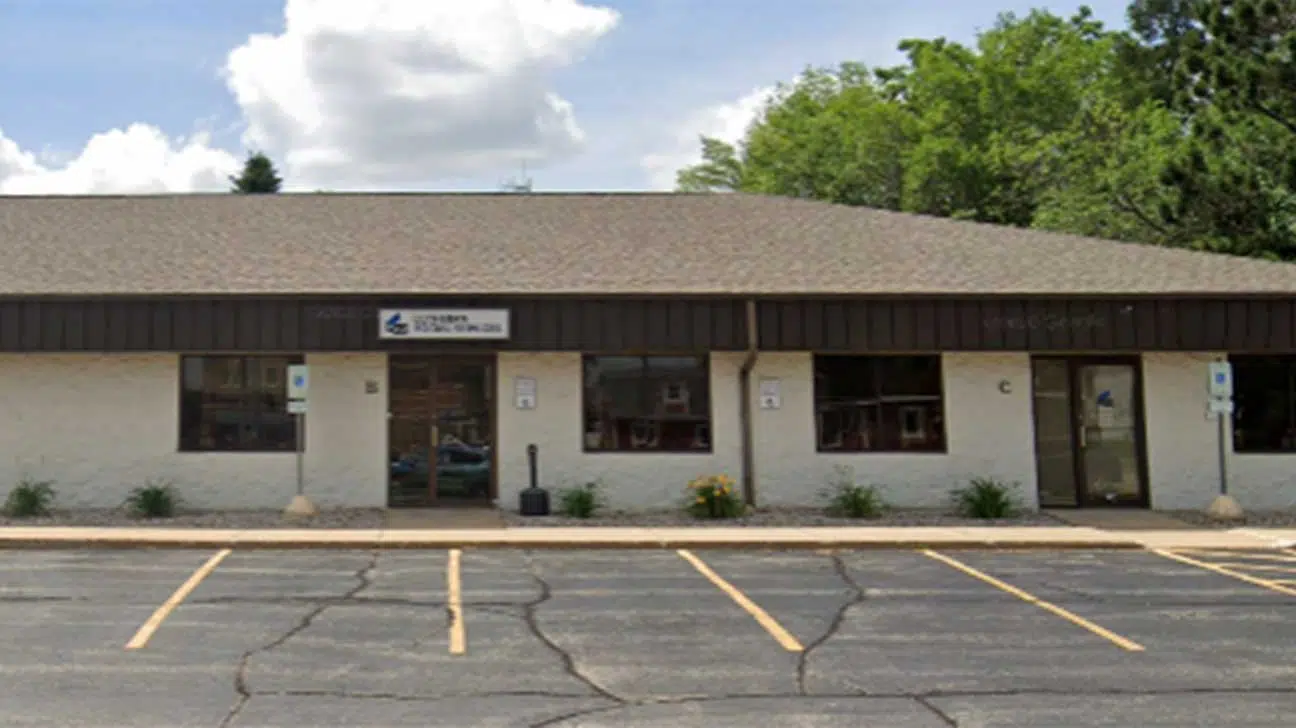
LSS is a community- and faith-based treatment provider of various services to support children, older adults, families, people with disabilities, veterans, and refugees.
Included amongst LSS’s comprehensive range of services is substance abuse treatment, which includes residential treatment and outpatient treatment.
Trusted features:
- accredited by the Commission on Accreditation of Rehabilitation Facilities (CARF)
- client testimonials
- evidence-based treatment
Levels of care:
- residential treatment
- inpatient treatment
- outpatient treatment
Treatment services:
- individual therapy
- family therapy
- couples therapy
- group therapy
- trauma recovery
- family-centered treatment
- gender-specific groups
- peer recovery support
- alcohol and drug assessment
Payment options:
- Medicaid
- Medicare
- private insurance plans
- self-pay
Location and contact information:
3003-B N. Richmond St.
Appleton, WI 54911
(608) 752-7660
6. Rogers Behavioral Health, Oconomowoc, Wisconsin
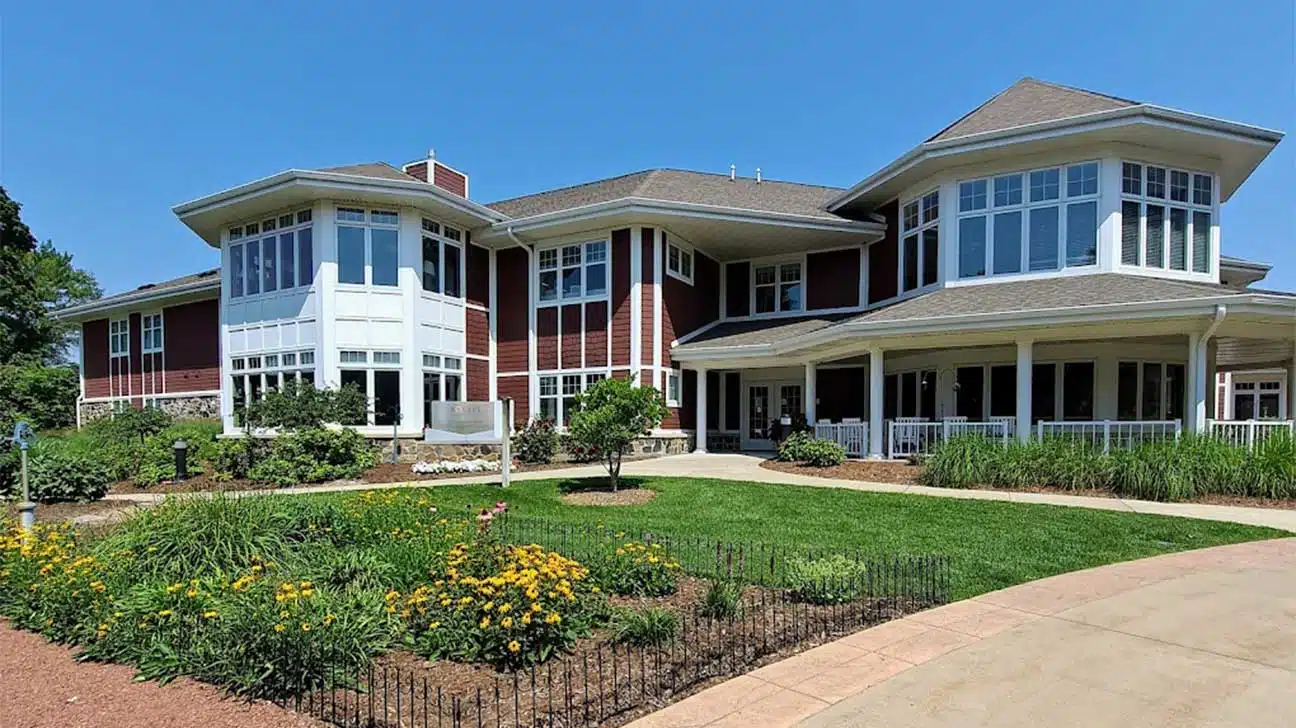
Rogers Behavioral Health is a treatment center that provides care for alcohol and drug abuse and mental health issues.
The treatment provider offers care for children, teens, and adult clients. Additional treatment options are available for trauma recovery, eating disorders, mood disorders, and more.
Trusted features:
- LegitScript certification
- client testimonials
- evidence-based treatment
Levels of care:
- residential treatment
- inpatient treatment
- detox
- partial hospitalization program (PHP)
- intensive outpatient program (IOP)
- outpatient treatment
- aftercare
Treatment services:
- methadone treatment
- Suboxone treatment
- Vivitrol treatment
- individual therapy
- group therapy
- recreational therapy
- art therapy
- trauma recovery
- dual diagnosis treatment
- cognitive behavioral therapy (CBT)
- dialectical behavior therapy (DBT)
- motivational interviewing (MI)
- medication management
- peer recovery support
- 12-step facilitation
- telehealth
Payment options:
- Medicaid
- Medicare
- private insurance plans
- self-pay
Location and contact information:
34700 Valley Rd.
Oconomowoc, WI 53066
(262) 646-4411
7. Viventh Health, Green Bay, Wisconsin
Viventh Health is a non-profit organization that provides a range of services, which includes an addiction treatment program.
Other services offered include medical, dental, mental health, and pharmacy services, as well as legal, housing, food assistance, and HIV/AIDS support.
Addiction recovery programs include harm reduction services, such as overdose prevention and safer injection.
No client is turned away from Viventh Health based on their inability to pay.
Trusted features:
- high Google ratings
- evidence-based treatment
Levels of care:
- partial hospitalization program (PHP)
- outpatient treatment
- aftercare
Treatment services:
- case management
- group therapy
- peer recovery support
- telehealth
Payment options:
- Medicaid
- Medicare
- private insurance plans
- self-pay
Location and contact information:
445 S. Adams St.
Green Bay, WI 54301
(920) 437-7400
Sources Of Funding For State-Funded Rehab Centers In Wisconsin
State-funded rehab programs in Wisconsin are typically provided through state and federal grant money, or by government-provided health insurance coverage.
Learn more about these funding sources.
Wisconsin Medicaid
Wisconsin Medicaid is a joint federal and state program that provides health care coverage, long-term care, and other services to Wisconsin residents.
This health insurance program is available for low-income people, children, pregnant women, and people with disabilities.
If you are eligible for Medicaid, you can use your Medicaid coverage to pay for the costs of attending a state-funded drug or alcohol addiction treatment center in Wisconsin.
Federal Grants For Drug Rehab Programs
Some state-funded rehab programs will provide funds through grant money from the Substance Abuse and Mental Health Services Administration (SAMHSA).
SAMHSA-issued grants are provided to all 50 states through the Substance Use Prevention, Treatment, and Recovery Services Block Grant (SUBG) program.
Alcohol and drug addiction rehabilitation facilities in Wisconsin use SUBG funds to provide free treatment to qualifying people.
In 2023, nearly $100 million was allocated to the state of Wisconsin for mental health and substance abuse treatment services.
Drug And Alcohol Treatment Services Covered By State Funds In Wisconsin
State-funded rehab programs in Wisconsin cover several treatment plans and support services.
State and federal funds cover behavioral health services such as:
- drug and alcohol detox centers
- transitional housing
- group therapy for alcohol addiction
- treatment for mental health issues
- dialectical behavioral therapy (DBT)
- case management services
- intensive outpatient treatment
FAQs For State-Funded Rehab Programs In Wisconsin
Finding an addiction treatment program can be difficult. To ease your search process, we provided answers to a few commonly asked questions below.
What Other Payment Options Are There At A Wisconsin State-Funded Rehab Center?
In addition to Medicaid and Medicare, many state-funded rehab programs typically accept certain private insurance plans.
Some rehab facilities may offer a sliding fee scale for payment, which provides pricing that’s based on your income, household size, and other factors.
In addition, there are other payment assistance measures available. Some rehab facilities will cover the cost of an individual’s treatment with allocated grants.
To find out more specific information about payment, you can contact customer service at your rehab center of interest.
Do All State-Funded Rehab Centers In Wisconsin Accept Medicaid?
No, not all state-funded rehab programs accept Wisconsin Medicaid. Check with the recovery center of your choice to find out if they accept Medicaid.
Who Qualifies For State-Funded Rehabilitation In Wisconsin?
Many people will qualify for state-funded rehab in Wisconsin, but there may be a waitlist.
Eligibility will depend on the treatment center and its type of funding or the health insurance programs it accepts, such as Medicaid or Medicare.
Find Drug And Alcohol Treatment Today
If you or your loved one is ready to take the next step in your recovery journey, call Addiction Resource for free, confidential assistance in finding the right treatment program.
Updated on January 22, 2024
Addiction Resource aims to provide only the most current, accurate information in regards to addiction and addiction treatment, which means we only reference the most credible sources available.
These include peer-reviewed journals, government entities and academic institutions, and leaders in addiction healthcare and advocacy. Learn more about how we safeguard our content by viewing our editorial policy.
- Substance Abuse and Mental Health Services Administration (SAMHSA) — SAMHSA Grant Awards by State
https://www.samhsa.gov/grants-awards-by-state - Substance Abuse and Mental Health Services Administration (SAMHSA) — Treatment Locator
https://findtreatment.gov/ - Wisconsin Department of Health Services — Medicaid in Wisconsin
https://www.dhs.wisconsin.gov/medicaid/index.htm