

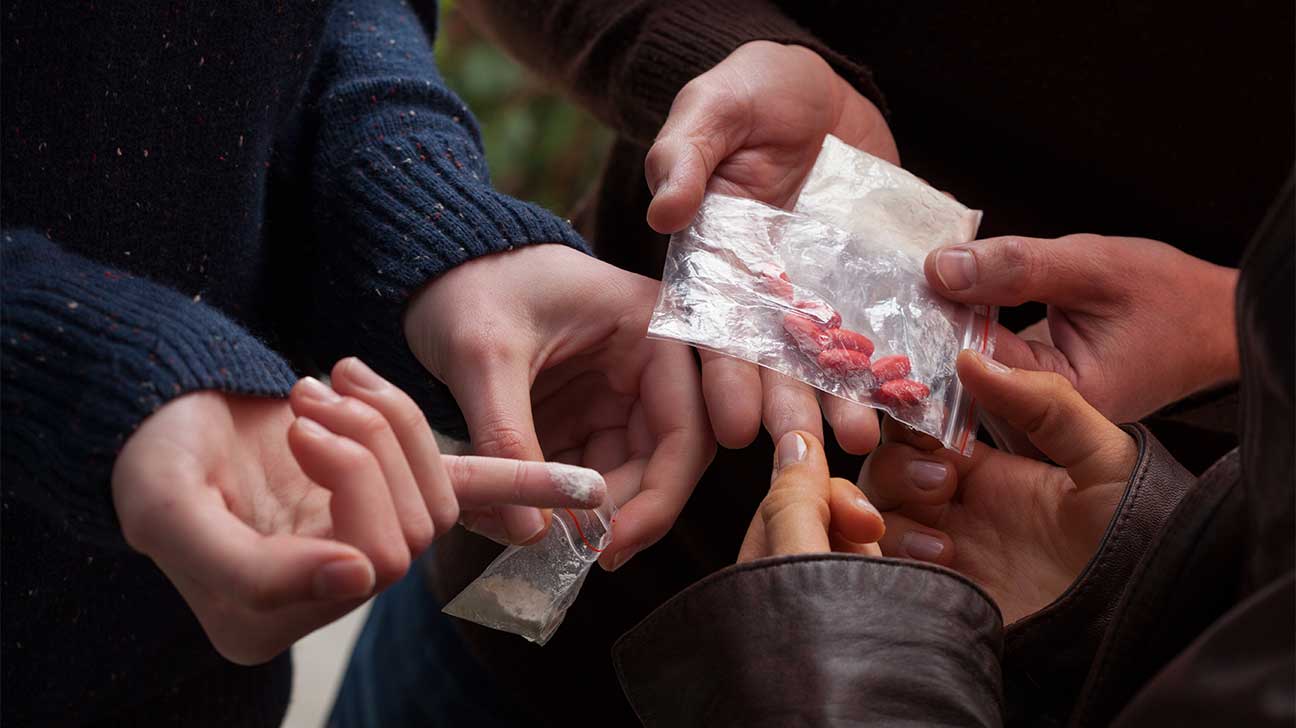
Ketamine is a dissociative anesthetic and tranquilizer. The brand names Ketalar and Ketaset are legally used to help induce and maintain anesthesia during medical procedures.
According to the Drug Enforcement Administration (DEA), ketamine is a Schedule III controlled substance. It is most often abused by young adults in a rave or party setting, but is also commonly used to enable sexual assault.
When ketamine is abused, it causes hallucinogenic effects as well as dissociation that result in a false sense of well-being and detachment from reality.
Methods Of Ketamine Abuse
As a “club drug,” ketamine comes in a number of forms.
Some forms of ketamine are intentionally easy to give to another person without their knowledge, so people who frequent places where ketamine is more likely to be present should exercise caution.
Ketamine can come in the form of a:
- liquid
- nasal spray
- capsule
- white powder
In these forms, ketamine can be snorted, swallowed, or injected.
Common Street Names For Ketamine
Ketamine is often used as a party drug. People who experiment with the use of ketamine are most likely to take it at clubs, concerts, or house parties.
Ketamine is also a common date-rape drug, alongside GHB and Rohypnol.
Street names for Ketamine include:
- Blind Squid
- Cat Valium
- Kit Kat
- Green
- Honey Oil
- Jet K
- Keller
- Kelly’s Day
- Ket
- K-Hold
- K-Ways
- Special K
- Purple
- Super Acid
- Vitamin K
- Special LA Coke
Learn more about street names for commonly abused drugs.
The Side Effects Of Ketamine Abuse
Ketamine abuse is most likely to cause visual and auditory hallucinations as part of its dissociative effects. The drug may also cause psychosis and loss of consciousness in higher doses.
In some instances, a person who ingests too much ketamine may experience a deeply disturbing, near-coma/psychotic state called a “k-hole.” This state causes the person to feel detached from their body.
Additional effects of ketamine may include:
- feeling happy and relaxed
- confusion and clumsiness
- increased heart rate
- increased blood pressure
- slurred speech and blurred vision
- high blood pressure
- anxiety
- panic
- violent behavior
- vomiting
- lowered sensitivity to pain
The After-Effects of Ketamine Abuse
Coming down from ketamine can cause a number of unpleasant side effects.
It isn’t uncommon for people who have been exposed to ketamine to experience short-term memory loss along with aches and pains, clumsiness, impaired judgment, and anxiety.
Overdosing On Ketamine
Ketamine is likely to cause loss of consciousness without any major changes to respiration or blood circulation, which makes it unlikely that a person will fatally overdose on ketamine alone.
However, if ketamine is mixed with alcohol or other drugs, there is a very real risk of fatal overdose.
If you or a loved one knowingly or unknowingly ingests ketamine, recognizing the signs of an overdose could save a life.
Signs of a ketamine-related overdose include:
- inability to move
- rigid muscles
- rapid pulse
- convulsions
- loss of consciousness
Find Help For Ketamine Abuse Today
Substance abuse cause mental health issues and vital organ damage, but addiction treatment is available. To learn how you can access detox and drug abuse treatment, contact us to find a drug rehab center.
Addiction Resource aims to provide only the most current, accurate information in regards to addiction and addiction treatment, which means we only reference the most credible sources available.
These include peer-reviewed journals, government entities and academic institutions, and leaders in addiction healthcare and advocacy. Learn more about how we safeguard our content by viewing our editorial policy.
- Alcohol and Drug Foundation
https://adf.org.au/drug-facts/ketamine/ - U.S. Drug Enforcement Administration (DEA) — Drug Slang Code Words DEA Intelligence Report
https://www.dea.gov/sites/default/files/2018-07/DIR-020-17%20Drug%20Slang%20Code%20Words.pdf - U.S. National Institute on Drug Abuse (NIDA) — Commonly Used Drugs Charts, Ketamine DrugFacts
https://www.drugabuse.gov/drug-topics/commonly-used-drugs-charts#ketamine