Street Names For Klonopin (Clonazepam)

Medically Reviewed by Johnelle Smith, M.D.

Updated on February 19, 2026

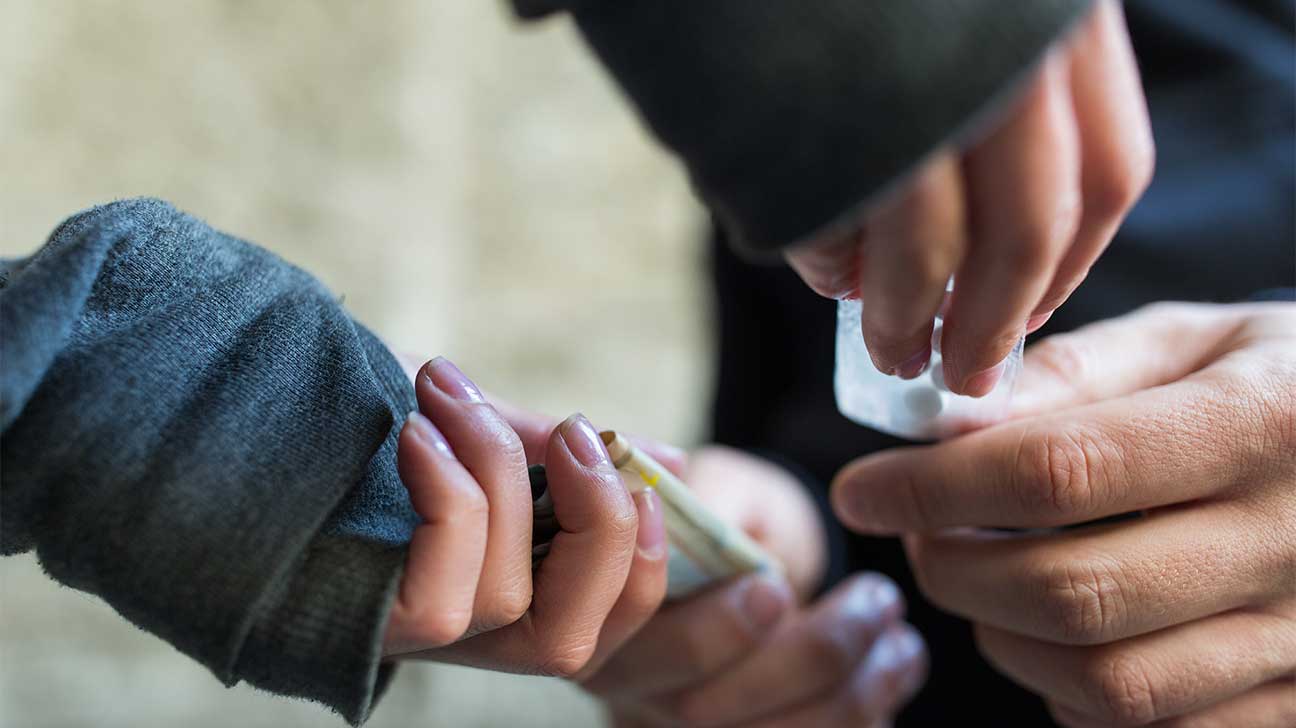
Klonopin is a powerful prescription benzodiazepine that is frequently abused for its sedative properties. People that buy it illegally on the street call it several different names that include “k” and “k-pin.”

Looking for Addiction or Mental Health Treatment?

AddictionResource.net is an advertising-supported site. Ads on this site are from companies that compensate us and are always clearly identified. This compensation does not influence our facility rankings, resource guides, or other editorially-independent information published on this site.

Learn More About Our Advertisers

At Recovery Guide, our mission is to connect as many individuals struggling with mental health and substance abuse disorders to reputable treatment facilities.

To achieve this goal, we set strict guidelines for our editorial team to follow when writing about facilities and utilize behavioral healthcare experts to review medical content for accuracy.

While we receive compensation in the form of paid advertisements, these advertisements have absolutely no impact on our content due to our editorial independence policy.

Klonopin is a short-acting, highly potent benzodiazepine used to treat symptoms of panic disorders. People that abuse it seek its sedative effects. Benzodiazepines like Klonopin are used and abused by people that take opioids as a method of easing withdrawal symptoms.

Clonazepam can come in the form of capsules, oral solution, and round pills. For purposes of feeling effects very quickly, some people crush and snort this drug.

Learn more about the street names of commonly abused drugs

Popular Street Names For Klonopin

Klonopin is known on the street by a few different names.

Some of these include:

  • k
  • k-pin
  • pin
  • super valium

While many people that seek prescription benzodiazepines know exactly what they are looking for, some people simply want a depressant.

Street names for Klonopin and other benzodiazepines include:

  • bars
  • benzos
  • blues
  • chill pills
  • downers
  • nerve pills
  • planks
  • tranks
  • xannies

Sometimes, clonazepam is sold on the street under a generic term used to describe a range of prescription benzodiazepines.

Ad
Get Support
If you or someone you love is struggling with addiction, getting help is just a phone call away, or consider trying therapy online with BetterHelp.
Exclusive offer: 20% Off BetterHelp*
Try Therapy Online With BetterHelp
As a BetterHelp affiliate, we receive commissions if you purchase through the BetterHelp links above.
*Get 20% off your first month of BetterHelp. This offer is only available to users who have never received therapy with BetterHelp.

Klonopin With Other Drugs

Klonopin has strong adverse reactions with other central nervous system depressants like opioids, other benzodiazepines, and alcohol. A leading cause of overdose death involves benzos like Klonopin mixed with a range of opioids.

Klonopin is used recreationally with prescription stimulants like Adderall or Ritalin. This combination is also known as “prescription speedball.”

Why Klonopin Is Dangerous When Mixed With Other Drugs

Combining Klonopin with other central nervous system depressants creates life-threatening risks because multiple depressants compound their effects on breathing and heart rate. When taken with opioids like heroin, fentanyl, oxycodone, or hydrocodone, Klonopin dramatically increases overdose risk by slowing respiration to dangerous or fatal levels. Mixing Klonopin with alcohol is equally dangerous, as both substances depress breathing and can cause loss of consciousness, respiratory failure, coma, or death.

The “prescription speedball” combination of Klonopin with stimulants like Adderall or Ritalin is risky because the opposing effects mask intoxication levels, making it easy to take too much of either drug. People may take more stimulants because the sedative effects of Klonopin make them feel less high, or take more Klonopin to counter stimulant anxiety, creating a dangerous cycle. These combinations put stress on the heart and can cause seizures, cardiac arrest, or other reactions that require emergency medical care.

Signs Someone Is Abusing Klonopin

Recognizing Klonopin abuse can help you identify when someone needs professional treatment. Physical signs include extreme drowsiness or sedation during the day, slurred speech, poor coordination and balance, memory problems, confusion, and appearing intoxicated without smelling like alcohol. People abusing Klonopin may have constricted pupils, sleep for unusually long periods, or nod off during conversations.

Behavioral warning signs include taking higher doses than prescribed, running out of prescriptions early, visiting multiple doctors to get additional prescriptions (doctor shopping), or buying Klonopin illegally. People may become secretive about medication use, withdraw from family and friends, neglect responsibilities at work or school, and continue taking it despite negative consequences.

If withdrawal symptoms such as anxiety, tremors, sweating, or seizures arise when Klonopin cannot be accessed, it is likely an indication of physical dependence, which requires medical detox and addiction treatment.

Find Help For Klonopin Abuse Today

Inpatient and outpatient addiction treatment facilities can help people overcome substance abuse. If you or a loved one are in need of addiction care, reach out to the Substance Abuse and Mental Health Services Administration (SAMHSA) or browse our directory for more information.

This page does not provide medical advice. See more

Addiction Resource aims to provide only the most current, accurate information in regards to addiction and addiction treatment, which means we only reference the most credible sources available.

These include peer-reviewed journals, government entities and academic institutions, and leaders in addiction healthcare and advocacy. Learn more about how we safeguard our content by viewing our editorial policy.

  • Was this Helpful?
  • YesNo

Get Help Today

(844) 994-1177
Addiction Resource Logo