

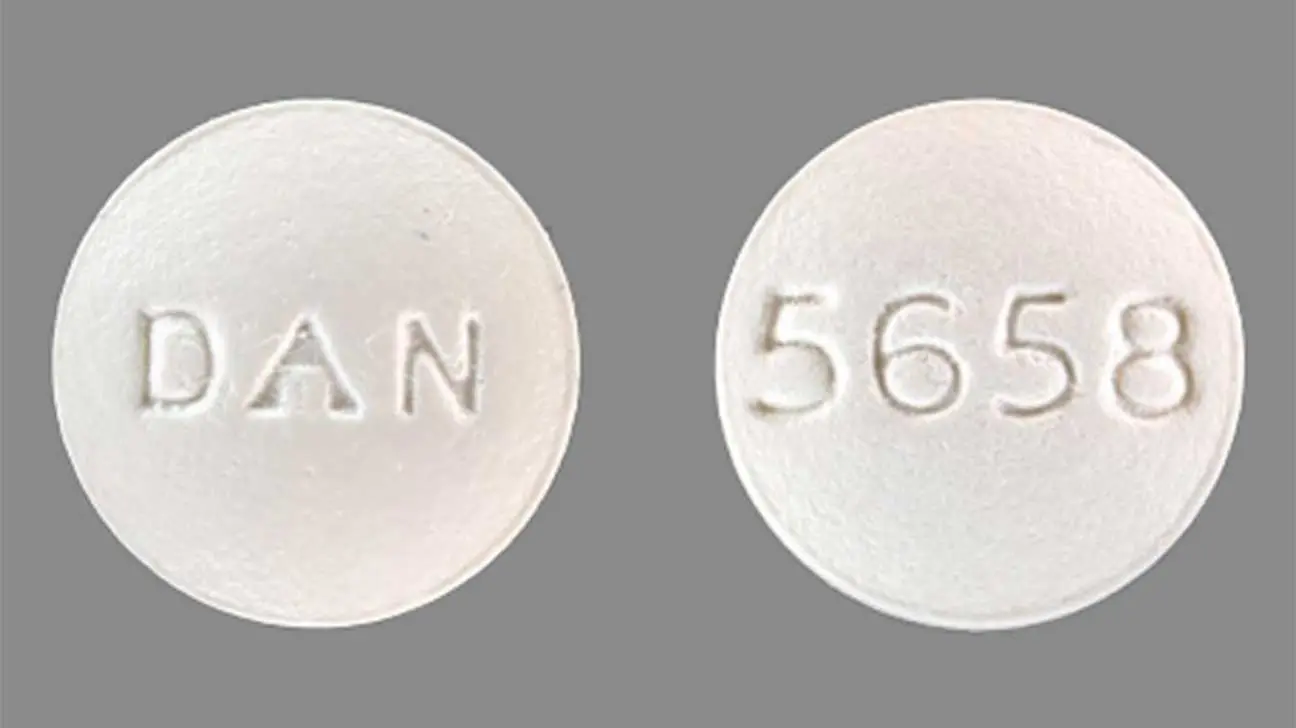
Cyclobenzaprine, known by the brand names Flexeril and Amrix, is a prescription muscle relaxer that is used to help with muscle pain and spasms, alongside a regimen of physical therapy.
It acts as a central nervous system depressant and is typically prescribed on a short-term or as-needed basis, as a therapeutic and not for managing chronic pain.
Snorting Flexeril Drug Abuse
While Flexeril does not create the same feelings of euphoria that benzodiazepines or opioids do when taken in higher doses, Flexeril does make people feel drowsy and will slow down vital functions.
People who abuse Flexeril may crush and dilute pills in water for faster oral intake, or they may crush and snort pills to get a faster high.
Even though Flexeril doesn’t produce a traditionally sought after “high,” the act of crushing and snorting any prescription medication may be a sign of an emerging or existing substance abuse issue.
Side Effects Of Abusing Flexeril
When Flexeril is used according to medical advice, it can improve sleep and general quality of life for people with skeletal muscle pain and spasms.
But when people take Flexeril for its relaxing effects or for recreational use, it may be a sign of a substance abuse disorder.
General Flexeril Abuse Side Effects
People who abuse this drug may experience negative short-term and long-term side effects.
Side effects of Flexeril abuse can include:
- constipation
- confusion
- drowsiness
- dizziness
- indigestion
- headache
- palpitations
- nervousness
- blurred vision
- dry mouth
- fatigue
- sore throat
- bad taste in the mouth
- unusual weakness
Dangers Of Snorting Flexeril
In some circumstances, people can experience more extreme adverse reactions to snorting Flexeril.
These serious effects can be life-threatening—especially if Flexeril is used alongside other central nervous system depressants like alcohol, opioids, or benzodiazepines.
Dangers can include:
- allergic reaction
- loss of consciousness
- low blood pressure
- immune hypersensitivity reactions
- irregular or rapid heartbeat
- liver damage and jaundice
Physical Effects Of Snorting Drugs
Flexeril is not effectively ingested through nasal insufflation, yet people may still try to amplify its effects by snorting it like they would club drugs, prescription pills, or illicit narcotics and amphetamines.
Snorting any drug may lead to burning inside the nasal passages, nose bleeds, and runny nose in the short-term.
Over the long-term, snorting drugs may cause persistent health problems like:
- runny nose or congestion
- mouth ulcers
- ear and facial pain/swelling
- trouble swallowing
- changes to the voice/hoarse throat
- permanent damage to the nasal septum and mucous membranes
Flexeril Overdose Signs And Symptoms
When taken to excess on its own, Flexeril overdose symptoms are typically not life-threatening.
However, in some cases, especially for people with existing heart conditions, Flexeril overdose can be deadly.
An overdose on Flexeril can result in cardiac arrest, seizures, and dangerously low blood pressure. Death from Flexeril overdose is rare, but it has been known to happen.
Some signs of a Flexeril overdose can include symptoms of CNS depression, like:
- chest pain
- rapid or slowed heartbeat
- hallucinations
- vomiting
- slurred speech
- trouble breathing
- extreme drowsiness
Less life-threatening, but uncomfortable Flexeril overdose symptoms can include:
- dry, flushed, or hot skin
- severe drowsiness
- increased or decreased body temperature
- seizures
- severe nervousness and restlessness
- muscle stiffness
Treatment And Detox For Flexeril Drug Abuse
When a person takes Flexeril recreationally or in excess for sedation, some people can form cravings and addictive behaviors.
Flexeril addiction may manifest through drug-seeking behavior, refilling a Flexeril prescription for unapproved uses, and lying to get the prescription.
When a person stops taking Flexeril, they may experience withdrawal symptoms such as fatigue, cravings, headaches, and nausea.
If a person develops more intense withdrawal symptoms, Flexeril abuse may require a period of medically supervised detoxification.
Behavioral therapies during inpatient treatment and outpatient programs are also helpful for those living without substance use.
Substance Abuse Treatment Options
If you or a loved one are facing substance abuse, it may be a sign of emerging or existing drug addiction. Call us today to learn more about your inpatient and outpatient treatment options.
Addiction Resource aims to provide only the most current, accurate information in regards to addiction and addiction treatment, which means we only reference the most credible sources available.
These include peer-reviewed journals, government entities and academic institutions, and leaders in addiction healthcare and advocacy. Learn more about how we safeguard our content by viewing our editorial policy.
- U.S. Food and Drug Administration – Flexeril
https://www.accessdata.fda.gov/drugsatfda_docs/label/2013/017821s051lbl.pdf - Medscape – Cyclobenzaprine
https://reference.medscape.com/drug/flexeril-amrix-Flexmid-cyclobenzaprine-343338