

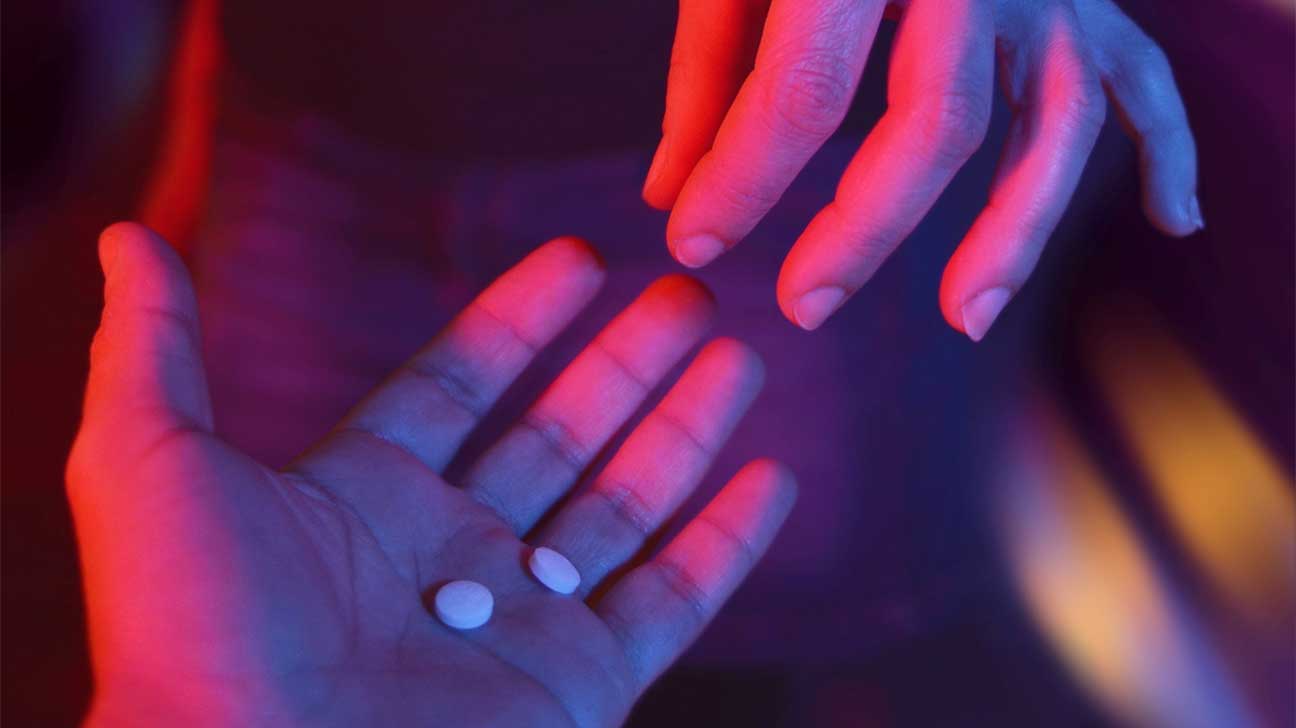
Molly, also known as MDMA or ecstasy, is a club drug that changes brain chemistry by triggering the release of serotonin and other neurotransmitters. Serotonin affects mood, emotions, and feelings of connection to other people. When someone takes molly, they often experience feelings of closeness, empathy, and emotional openness toward others around them. These effects have led to molly being used in social settings like parties, raves, and clubs. Because the drug creates feelings of connection and lowers inhibitions, some people use molly in sexual situations or find themselves engaging in sexual activity while under its influence.
The relationship between molly and sex is complicated. Some users report that the drug enhances emotional intimacy, physical sensations, and satisfaction during sexual encounters. However, research shows that MDMA can actually impair sexual performance, particularly in men, by making it difficult to achieve or maintain an erection or reach orgasm. Despite these physical limitations, users often report feeling more desire and emotional satisfaction during sexual experiences on molly. The drug’s ability to lower inhibitions and create feelings of trust can also lead people to engage in risky sexual behaviors they might avoid when sober, including unprotected sex or encounters with unfamiliar partners.
Risks Of Using Molly As A Sex Drug
When molly is taken in a public environment like a rave or club, the risk of dangerous or unwanted sexual encounters can increase. When molly is ingested to enhance a consensual sexual encounter, a person may experience strong negative immediate and long-term side effects.
Short-Term Effects Of Using Molly During Sex
Molly acts as a stimulant that speeds up the central nervous system and affects how the body functions. When someone takes molly during sex, their heart rate and blood pressure increase, sometimes to dangerous levels. The drug causes the body to overheat, which becomes worse during physical activity like sex. This overheating can lead to dehydration, heat stroke, and in severe cases, damage to the kidneys, liver, and other organs.
Other short-term effects of using molly during sex include muscle tension, jaw clenching, sweating, nausea, and blurred vision. Some people experience panic attacks or anxiety, especially as the drug’s effects begin to wear off. The combination of physical exertion from sex and the stimulant effects of molly puts strain on the heart and cardiovascular system. These immediate risks make using molly during sexual activity particularly dangerous, even for people who consider themselves to be in good health.
Long-Term Effects Of Molly Abuse During Sex
People who regularly use molly during sex face risks beyond the immediate effects of the drug. Repeated MDMA use can damage the brain’s serotonin system, leading to problems with memory, mood regulation, sleep, and impulse control. When someone uses molly frequently as a sexual enhancement drug, they may develop tolerance and need higher doses to feel the same effects. This increases the risk of overdose and long-term organ damage from repeated overheating and elevated heart rate.
A particularly dangerous practice involves combining molly with prescription erectile dysfunction medications like Viagra or Cialis, which are phosphodiesterase (PDE) inhibitors. This combination increases the risk of serotonin syndrome, a life-threatening condition that causes confusion, rapid heart rate, high blood pressure, dilated pupils, muscle rigidity, seizures, and hallucinations. Mixing these drugs can also cause dangerously high heart rates and blood pressure that can lead to heart attack or stroke.
Treatment For Molly Drug Abuse
If you or someone you care about is facing molly abuse or engaging in risky sexual behavior because of drug use, professional treatment can provide the support needed for recovery. Molly addiction affects physical health, mental well-being, and personal relationships, but with the right help, people can overcome substance abuse. Treatment programs offer different levels of care to match individual needs and the severity of addiction.
Treatment options for molly abuse include:
- medical detoxification to safely manage withdrawal symptoms
- inpatient rehab programs where patients live at a treatment facility
- residential treatment for longer-term care in a structured environment
- partial hospitalization programs (PHP) that provide intensive daytime treatment
- intensive outpatient programs (IOP) that allow people to live at home while attending regular therapy sessions
- standard outpatient treatment with scheduled counseling appointments
- individual therapy to address underlying issues and triggers
- group therapy to connect with others in recovery
- cognitive behavioral therapy (CBT) to change thought patterns related to drug use
- dual diagnosis treatment for co-occurring mental health disorders
- aftercare planning and support groups to maintain sobriety after treatment ends
Recovery from molly addiction is possible with professional help and commitment to change. Contact a drug treatment facility or contact the Substance Abuse and Mental Health Services Administration (SAMHSA) to learn more about which program options are right for your situation.
Addiction Resource aims to provide only the most current, accurate information in regards to addiction and addiction treatment, which means we only reference the most credible sources available.
These include peer-reviewed journals, government entities and academic institutions, and leaders in addiction healthcare and advocacy. Learn more about how we safeguard our content by viewing our editorial policy.
- National Institute on Drug Abuse — MDMA (Ecstasy/Molly)
https://nida.nih.gov/research-topics/mdma-ecstasy-molly - United States Drug Enforcement Administration (DEA) — Ecstasy or MDMA (also known as Molly)
https://www.dea.gov/factsheets/ecstasy-or-mdma-also-known-molly