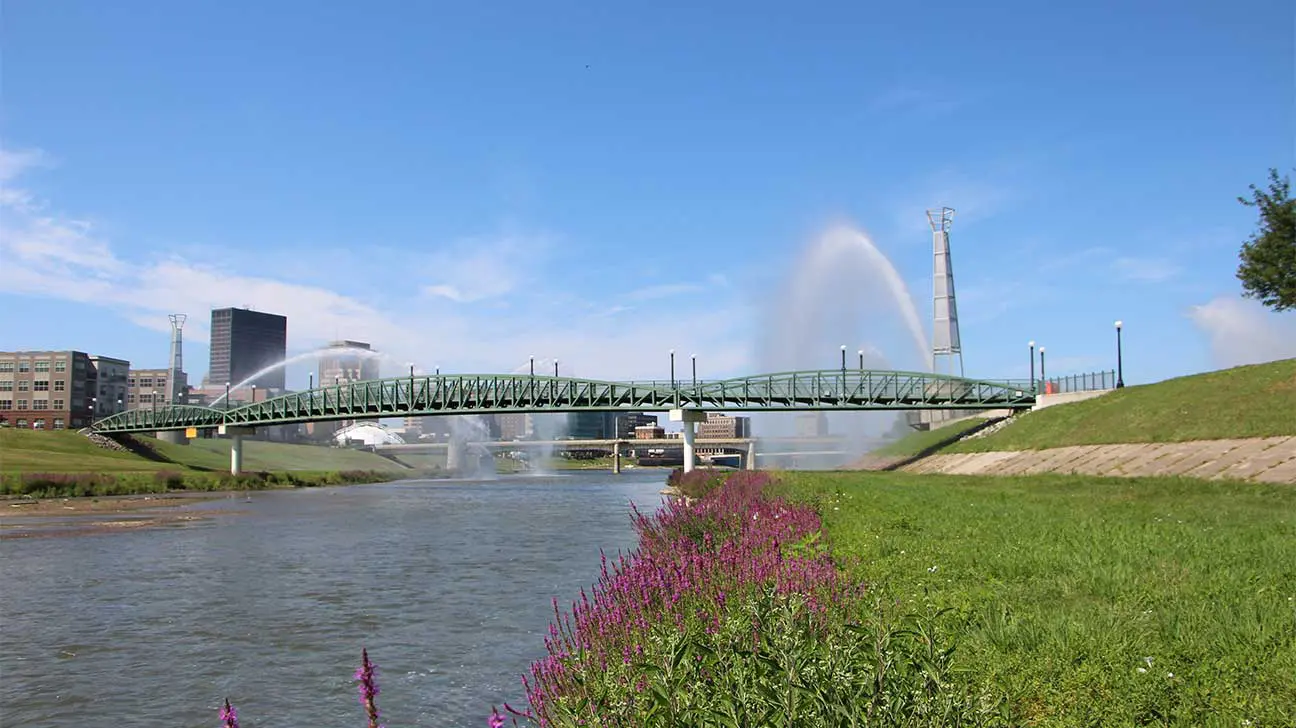
At least five accredited drug rehab facilities are located in Dayton, Ohio for individuals struggling with substance abuse and addiction.
These Ohio rehab centers offer a variety of treatment services for people facing drug and alcohol addiction.
List Of Rehab Centers In Dayton, Ohio
Below is a list of rehab centers in Dayton, OH.
Each treatment center on this list has been evaluated for:
- accreditation
- certification
- licensure
- memberships
- high Google rating
1. Clean Slate Outpatient Addiction Medicine, Dayton
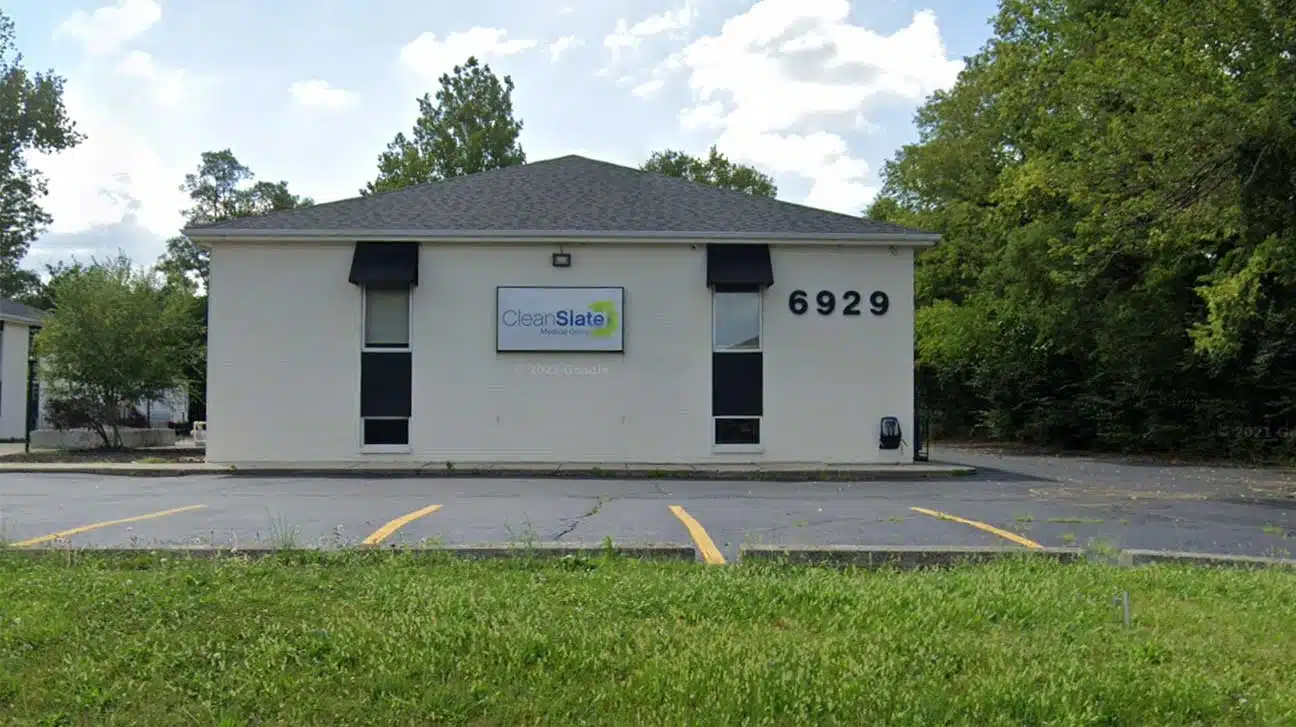
Clean Slate is an accredited outpatient drug addiction treatment center serving Dayton and surrounding areas.
Trusted features:
- Commission on Accreditation of Rehabilitation Facilities (CARF) accreditation
- 5-star Google rating
Levels of care:
- outpatient program (OP)
- medication-assisted treatment (MAT)
Treatment services:
- Suboxone treamtent
- naltrexone treatment
- individual therapy
- group therapy
- peer recovery support
Payment options:
- Medicaid
- Medicare
- private health insurance
Location and contact information:
6929 N. Main St.
Dayton, OH 45415
(937) 242-6710
2. Haven Behavioral Hospital of Dayton, Dayton, Ohio
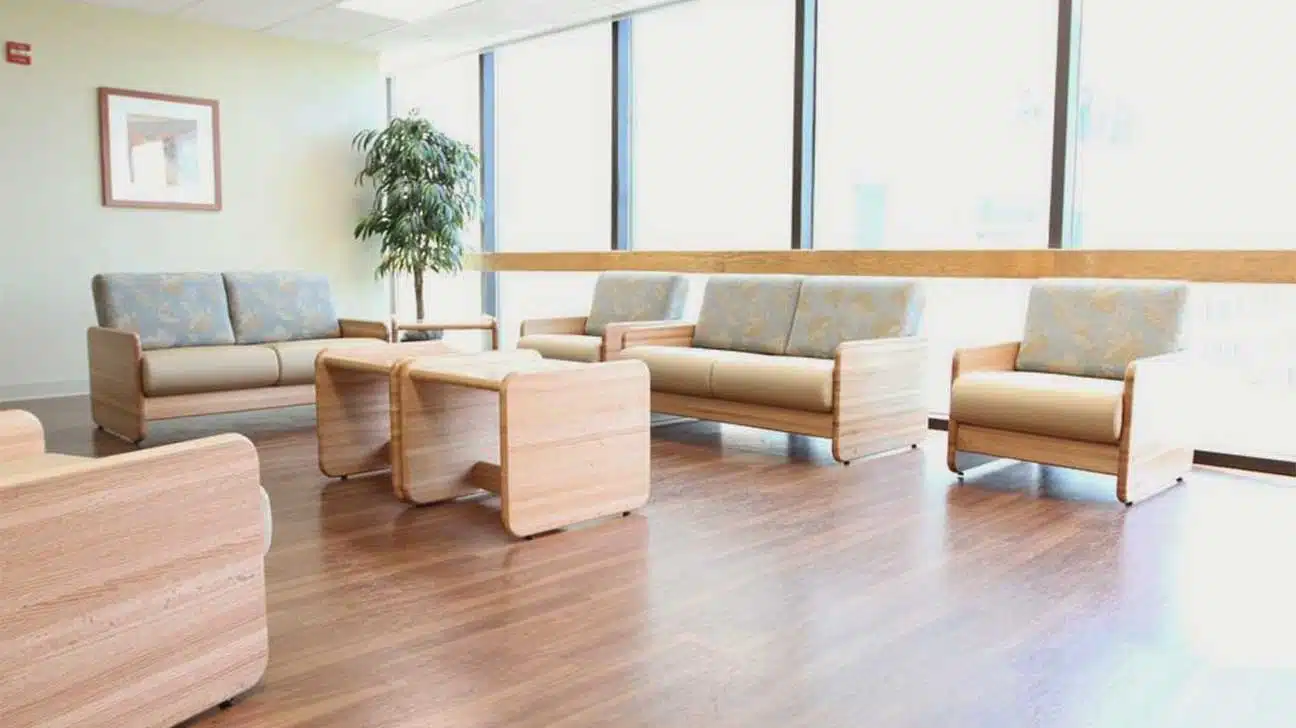
The Haven Behavioral Hospital of Dayton provides customized addiction and substance abuse treatment plans.
Trusted features:
- Joint Commission accreditation
- state licensure
- client testimonials
Levels of care:
- residential treatment
Treatment services:
- medication management
- behavioral therapy
- holistic therapy
- psychiatric services
- Ohio dual diagnosis treatment
Payment options:
- private health insurance
- self-pay
Location and contact information:
1 Elizabeth Pl.
9th Flr.
Dayton, OH 45417
(937) 234-0100
3. Miami Valley Recovery, Dayton, Ohio
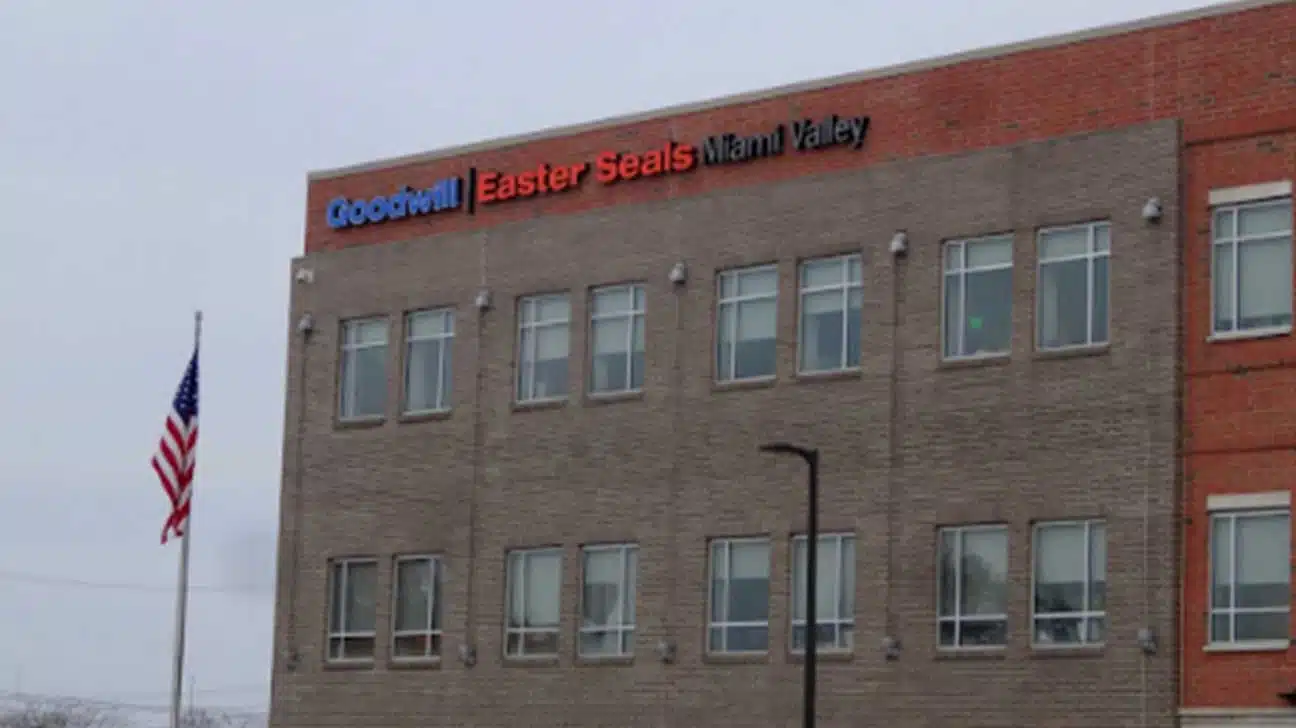
Miami Valley Recovery is a full-service substance abuse treatment center specializing in customized treatment plans for long-term recovery.
Trusted features:
- LegitScript certification
- 4.2-star Google rating
Levels of care:
- outpatient program (OP)
- medication-assisted treatment (MAT)
Treatment services:
- diagnostic assessments
- group therapy
- individual therapy
- family therapy
- case management
- pregnant women’s addiction treatment
- Suboxone treatment’
- buprenorphine treatment
- naltrexone treatment
- telehealth
Payment options:
- Medicaid
- private health insurance
Location and contact information:
1 Elizabeth Pl.
Ste. NWB40
Dayton, OH 45417
(937) 401-8672
4. Project C.U.R.E., Dayton, Ohio
Project C.U.R.E. is a substance abuse and addiction treatment center to minimize substance abuse in the Dayton area.
Trusted features:
- Commission on Accreditation of Rehabilitation Facilities (CARF) accreditation
- Substance Abuse and Mental Health Services Administration (SAMHSA) certification
- state licensure
Levels of care:
- outpatient program (OP)
- medication-assisted treatment (MAT)
Treatment services:
- methadone treatment
- counseling
- behavioral therapy
Payment options:
- government funding
- Ohio Medicaid
- self-pay
Location and contact information:
200 Daruma Pkwy.
Dayton, OH 45439
(937) 262-3500
5. Sunrise Treatment Center, Dayton, Ohio
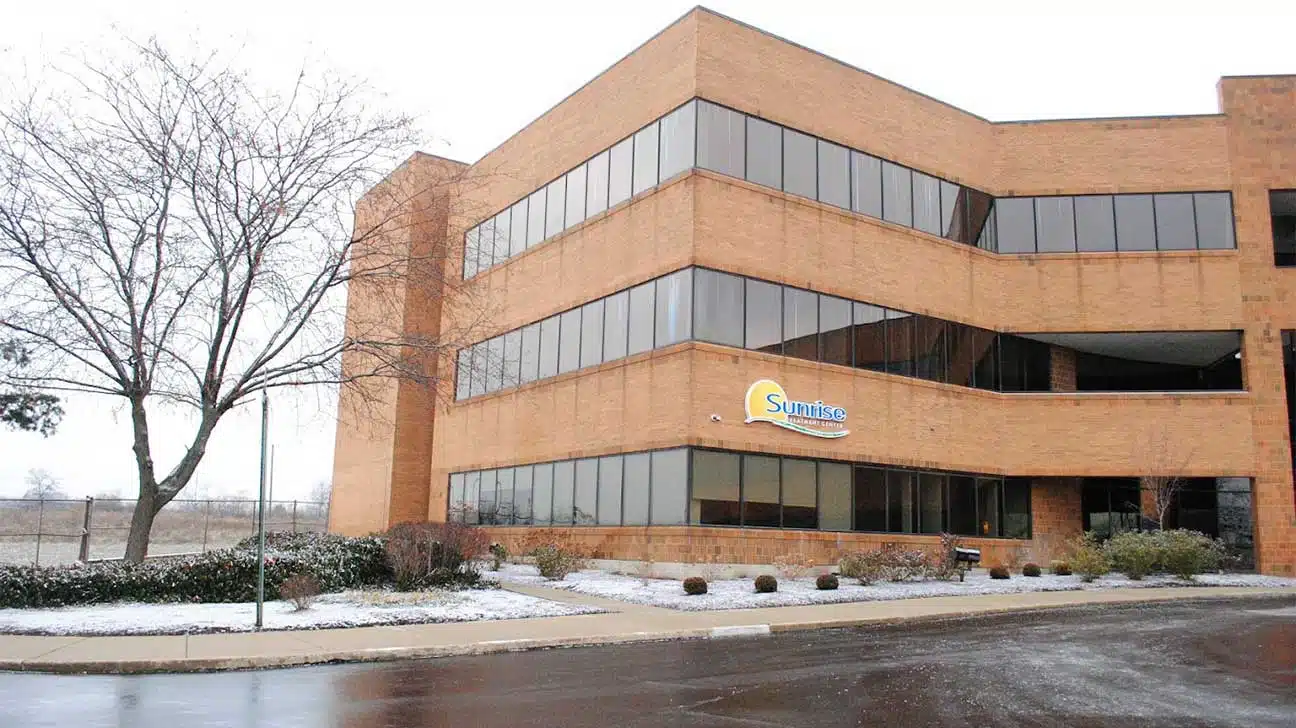
Sunrise Treatment Center is an accredited substance abuse treatment facility with a specialization in opioid use disorders.
Trusted features:
- Commission on Accreditation of Rehabilitation Facilities (CARF) accreditation
- Substance Abuse and Mental Health Services Administration (SAMHSA) certification
- state licensure
- 3.7-star Google rating
Levels of care:
- partial hospitalization program (PHP)
- intensive outpatient program (IOP)
- outpatient program (OP)
- medication-assisted treatment (MAT)
Treatment services:
- individual therapy
- group therapy
- co-occurring disorder treatment
- medical supervision
- sober living
- pregnant women’s services
- buprenorphine treatment
- Suboxone treatment
- naltrexone treatment
Payment options:
- Medicare
- Medicaid
- private health insurance
- self-pay
Location and contact information:
1435 Cincinnati St.
Ste. 150
Dayton, OH 45417
(937) 660-3400
Find Addiction Treatment In Ohio
If you or a loved one are facing drug and alcohol addiction, you can find treatment in Ohio today. Call us to learn more about your treatment options.
Find addiction treatment near Dayton, OH:
Updated on May 15, 2023
Addiction Resource aims to provide only the most current, accurate information in regards to addiction and addiction treatment, which means we only reference the most credible sources available.
These include peer-reviewed journals, government entities and academic institutions, and leaders in addiction healthcare and advocacy. Learn more about how we safeguard our content by viewing our editorial policy.
- Mayo Clinic — Drug addiction (substance use disorder)
https://www.mayoclinic.org/diseases-conditions/drug-addiction/symptoms-causes/syc-20365112 - National Institute on Drug Abuse — Drug Misuse and Addiction
https://www.drugabuse.gov/publications/drugs-brains-behavior-science-addiction/drug-misuse-addiction - Substance Abuse and Mental Health Services Administration (SAMHSA) — Find Treatment
https://www.samhsa.gov/find-treatment