Celebrity rehab centers offer private, luxury treatment programs with specialized services to help entertainment industry workers recover from substance abuse.
Seeking treatment for alcohol and drug abuse can be an overwhelming situation for anyone. But often the pressures that celebrities face make this step particularly difficult.
Due to the stress of living a high-profile life, celebrities are often extra sensitive to substance abuse issues.
One survey found that 9% of famous people face some form of substance abuse, and co-occurring mental health disorders are also fairly common.
Top Celebrity Rehab Centers In The World
A variety of high-end treatment centers worldwide are designed to cover the behavioral health needs of wealthy or famous clients. Read on to learn about a few of them.
Passages Malibu

One well-known treatment facility for celebrities is Passages Malibu in California.
Viewing addiction as a fully treatable condition, this center uses a combination of evidence-based and holistic services, like intensive individual therapy and acupuncture.
Clients have access to luxury amenities, including gourmet meals, swimming pool areas, massage rooms, and private terraces. A 30-day stay at this facility costs around $40,000.
AToN Center

AToN Center, located in San Diego, CA, only accepts a few clients at a time. This facility is on 10 acres of land and each client has a private room.
Various treatment services are available, such as individual and group counseling, hypnotherapy, yoga, 12-step meetings, and medically assisted detox.
Clients also have access to sound healing sessions, personal training, painting classes, breathwork, and nearby hiking.
The Meadows
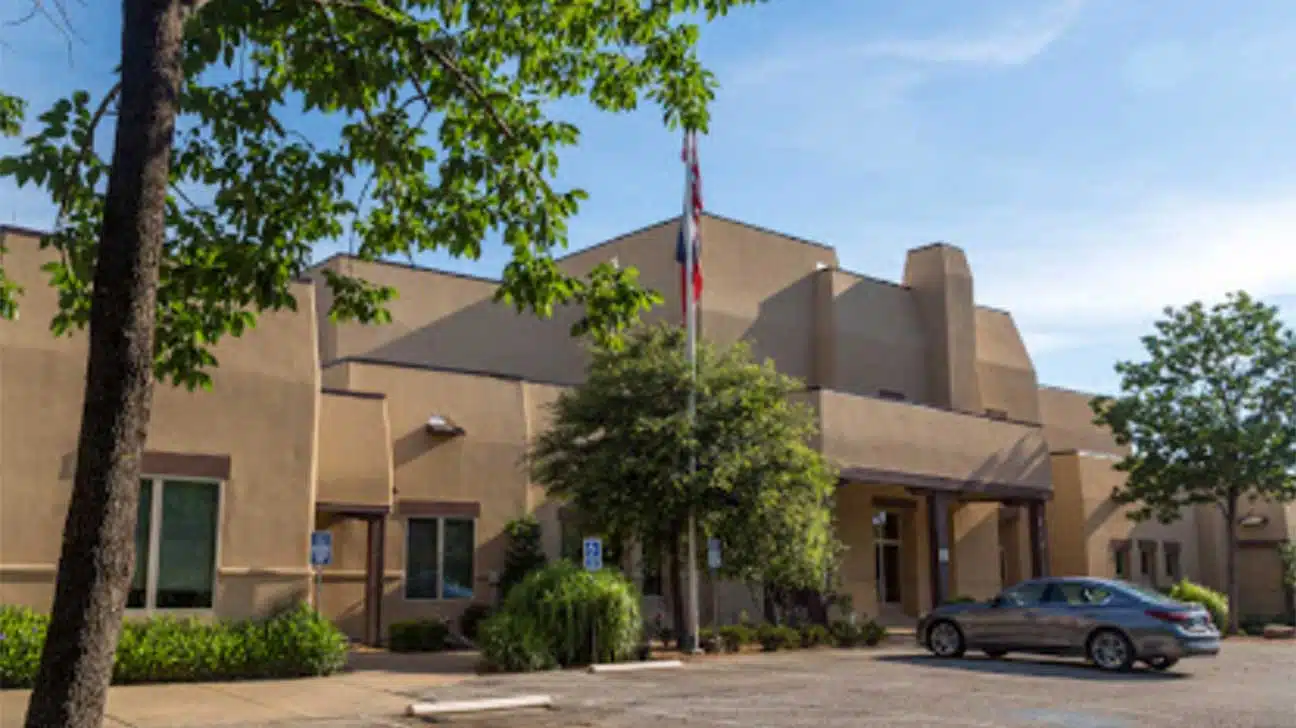
The Meadows has facilities in Texas and Arizona. In addition to treating addiction, this program helps with mental health issues, eating disorders, and trauma.
The staff at this facility can provide highly specialized therapies, like neurofeedback, psychodrama, or somatic experiencing, as well as more traditional services.
While many celebrity rehab facilities feature private rooms, The Meadows prioritizes shared rooms. This center believes that peer interaction is a strong part of the recovery process.
Istana
Istana is an overseas drug rehab center with facilities in Bali, Barbados, and Ibiza. These highly specialized programs focus on just one client at a time.
If a client chooses, their entire family can accompany them to treatment at one of these centers. Private chefs, excursions, cooking classes, a butler, and a life coach are just a few of the amenities offered.
Treatment providers at Istana use a combination of research-backed approaches and holistic therapies.
Crossroads
Crossroads, located on the island of Antigua, is a luxury rehab center founded by Eric Clapton. This center has treated Britney Spears, Colin Farrell, and many other celebrities.
In addition to residential treatment programs, Crossroads offers short wellness retreats. The facility specializes in treating addiction to alcohol, prescription drugs, opioids, and cocaine.
This addiction center is located on the beach and clients have unlimited access to the natural surroundings.
What To Expect At A Drug Treatment Program For Celebrities
Everyone experiences addiction in different ways. However, there are a number of common levels of care that cater to a variety of needs and conditions.
These include detoxification, inpatient treatment, and different levels of outpatient care. People with more severe addictions are more likely to need intensive treatment.
Outpatient treatment works well for people who’d like to continue going to work, school, or sleeping at home each night.
Within these treatment programs, a wide range of services are available, such as:
- group therapy
- cognitive behavioral therapy (CBT)
- mindfulness work
- eye movement desensitization and reprocessing (EMDR)
- animal-assisted therapy
- nutritional therapy
- acupuncture
- medication-assisted treatment (MAT)
No matter which particular services a celebrity needs, there is a drug and alcohol rehab program available to help.
Get Help For A Substance Use Disorder Today
If you or a loved one is experiencing drug addiction or alcohol abuse, help is available. To learn more about your treatment options, reach out to Addiction Resource today.
Published on December 20, 2023
Addiction Resource aims to provide only the most current, accurate information in regards to addiction and addiction treatment, which means we only reference the most credible sources available.
These include peer-reviewed journals, government entities and academic institutions, and leaders in addiction healthcare and advocacy. Learn more about how we safeguard our content by viewing our editorial policy.
- Baylor University Medical Center Proceedings – Celebrities and Substance Abuse
https://www.ncbi.nlm.nih.gov/pmc/articles/PMC2760168/ - National Library of Medicine – Substance Use and Substance Use Disorder By Industry
https://www.ncbi.nlm.nih.gov/books/NBK343542/ - UNF Digital Commons – Celebrities in Rehab: Who is more at risk?
https://digitalcommons.unf.edu/cgi/viewcontent.cgi?article=1017&context=soars