

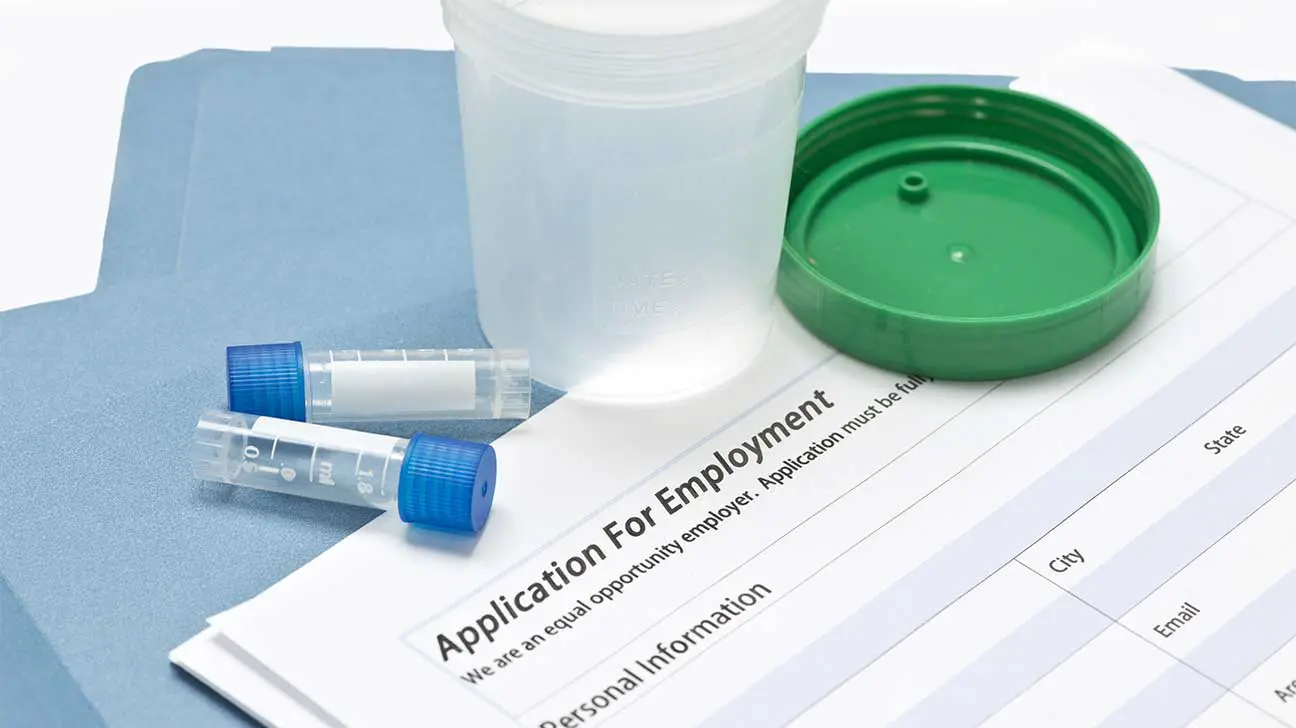
Adderall (amphetamine) is a prescription drug that can stay in the system for anywhere from one to 90 days, depending on how a person is screened for Adderall use.
Adderall use can be detected by testing a sample of urine, blood, saliva, or hair. The amount of time Adderall remains detectable in these specimens varies.
On average, Adderall use can be detected for one to four days after last use. Hair follicles are the exception. Hair samples can contain traces of Adderall for up to 90 days after your last dose.
Adderall Drug Tests And Detection Times
Drug screenings for Adderall use can detect Adderall through a variety of specimens, including: urine, hair, blood, and saliva.
Adderall (amphetamine) can show up in the following drug tests:
- urine tests: up to four days (96 hours)
- blood tests: up to 24 hours
- saliva tests: up to 48 hours
- hair tests: up to 90 days
These are average detection times for Adderall that can vary based on biological, genetic, and personal factors.
How Long Does Adderall Stay In Urine?
Adderall can be detected through an immunoassay or gas chromatography test for anywhere from 24 to 96 hours after your last use. This is the most commonly utilized drug testing method.
Read more about detecting Adderall in urine
How Long Does Adderall Stay In Blood?
Adderall can be detected in the blood very quickly. However, it will only stay in the blood for up to 24 hours on average.
This is the shortest detection window of all drug tests, and is not the standard type of drug test ordered to test for Adderall use. Blood tests may be ordered for emergency/urgent purposes.
Read more about detecting Adderall in blood
How Long Does Adderall Stay In Saliva?
Adderall can be detected in a sample of saliva within minutes of use and for up to 48 hours.
How Long Does Adderall Stay In Hair?
Hair testing has the longest detection of any drug testing method. Like other common drugs of abuse, Adderall can be detected in the hair for up to 90 days, or three months, after last use.
Read more about detecting Adderall in hair
Factors That Affect Adderall Detection Times
The actual time-frame for how long Adderall stays in the system can vary according to a variety of factors. For this reason, average detection times may not apply to everyone.
Dose/Amount Taken
The amount of Adderall you take can affect how long it stays in your system. Higher doses may take longer for the body to fully process.
Frequency Of Use
Taking Adderall very often may cause a buildup of the drug in your system. This is known as drug dependence.
This can both make it difficult to stop taking Adderall and can cause it to stay in the body longer.
Metabolic Rate
The rate of your metabolism can affect how long it takes for your body to fully process Adderall. Typically, people who are older or have poor health will metabolize Adderall more slowly.
Liver And Kidney Function
The liver and kidneys have an important role to play in drug metabolism. Having impaired liver or kidney function may affect how long it takes for the body to process Adderall.
Using Multiple Drugs
Taking Adderall with other drugs, including alcohol, may affect how long it takes for the body to absorb and metabolize Adderall.
Adderall can also interact with other drugs in a way that may lead to negative side effects, including headache and overdose risk.
Call Today To Find Adderall Detox And Addiction Treatment
Getting off Adderall can be difficult to do alone. If you or a loved one is struggling to get off Adderall, we may be able to help.
For more information, call our helpline today to find an Adderall detox program near you.
Addiction Resource aims to provide only the most current, accurate information in regards to addiction and addiction treatment, which means we only reference the most credible sources available.
These include peer-reviewed journals, government entities and academic institutions, and leaders in addiction healthcare and advocacy. Learn more about how we safeguard our content by viewing our editorial policy.
- Redwood Toxicology Laboratory—Laboratory Testing Reference Guide
https://supremecourt.nebraska.gov/sites/default/files/Programs/CIP/events/redwood/LAB_Reference_Guide.pdf - U.S. National Library of Medicine: NCBI—OBJECTIVE TESTING - URINE AND OTHER DRUGS
https://www.ncbi.nlm.nih.gov/pmc/articles/PMC4920965/ - U.S. National Library of Medicine: NCBI—Treatment for amphetamine withdrawal
https://www.ncbi.nlm.nih.gov/pmc/articles/PMC7138250/ - U.S. National Library of Medicine: PubMed—Detection times of drugs of abuse in blood, urine, and oral fluid
https://pubmed.ncbi.nlm.nih.gov/15228165/ - Substance Abuse And Mental Health Services Administration (SAMHSA)—Key Findings Substance Abuse and Mental Health NSDUH 2019
https://www.samhsa.gov/data/release/2019-national-survey-drug-use-and-health-nsduh-releases