

How Long Does Hydrocodone Stay In Your Urine?

Medically Reviewed by Johnelle Smith, M.D.

Updated on March 30, 2026

Vicodin (hydrocodone) is a prescription opioid drug that can be detected in the urine for one to four days after use. The timeline for hydrocodone detection may depend on factors such as drug dosage, frequency of use, and the nature of your hydrocodone use.

Looking for Addiction or Mental Health Treatment?

AddictionResource.net is an advertising-supported site. Ads on this site are from companies that compensate us and are always clearly identified. This compensation does not influence our facility rankings, resource guides, or other editorially-independent information published on this site.

Learn More About Our Advertisers

At Recovery Guide, our mission is to connect as many individuals struggling with mental health and substance abuse disorders to reputable treatment facilities.

To achieve this goal, we set strict guidelines for our editorial team to follow when writing about facilities and utilize behavioral healthcare experts to review medical content for accuracy.

While we receive compensation in the form of paid advertisements, these advertisements have absolutely no impact on our content due to our editorial independence policy.

Hydrocodone is a prescription opioid painkiller that can be detected in urine for one to four days after the last use. Urine testing is the most common way to screen for drug use, and it can detect hydrocodone for longer than blood or saliva tests. Keep in mind that this is an average estimate, and the actual detection window can vary from person to person based on several factors.

How long hydrocodone stays in urine depends on things like how much was taken, how often it was used, and how well the kidneys and liver are functioning. Extended-release formulas, higher doses, older age, and chronic use can all result in a longer detection window. On the other hand, people with a faster metabolism and healthy organ function may clear the drug more quickly.

Detecting Hydrocodone In Urine

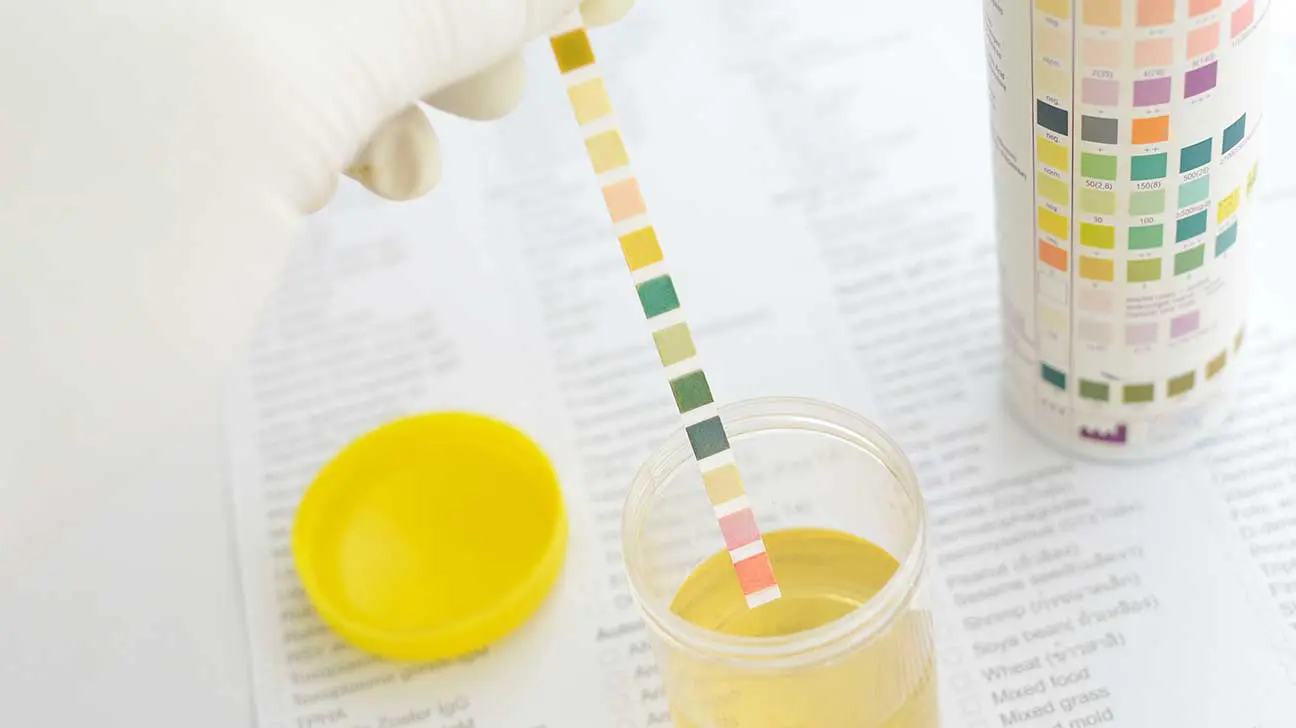
Urine testing is the most widely used method for detecting hydrocodone use, and for good reason. It is simple, affordable, and offers a longer detection window than blood or saliva tests. On average, hydrocodone can be detected in urine for one to four days after the last dose, though this timeline can vary depending on the individual and how the drug was used. People who have been taking hydrocodone for a long time or in large amounts may test positive for longer than those who used it occasionally or in smaller doses.

Factors That Can Affect How Long Hydrocodone Stays In Urine

Not all bodies process drugs like hydrocodone at the same rate. The actual timeline for how long hydrocodone will stay in urine can depend on several factors.

Factors that can affect how long hydrocodone stays in urine include:

  • dose taken
  • formulation (i.e. extended release vs immediate release)
  • frequency and duration of use
  • impaired kidney and liver function
  • slow metabolism
  • body fat percentage

Older age, impaired liver function, and chronic use of Vicodin can result in longer detection windows. Higher doses will also take longer to clear from the urine.

Ad
Get Support
If you or someone you love is struggling with addiction, getting help is just a phone call away, or consider trying therapy online with BetterHelp.
Exclusive offer: 20% Off BetterHelp*
Try Therapy Online With BetterHelp
As a BetterHelp affiliate, we receive commissions if you purchase through the BetterHelp links above.
*Get 20% off your first month of BetterHelp. This offer is only available to users who have never received therapy with BetterHelp.

Getting Hydrocodone Out Of Your Urine

Testing positive for opioids is a common concern among people who have been taking opioids like hydrocodone in any way other than prescribed by a doctor. If you’ve been abusing hydrocodone, do not try to stop taking it all at once. This can trigger uncomfortable withdrawal symptoms.

Getting off hydrocodone may require a drug detox program. After detox, further treatment in a substance abuse rehab program may be recommended.

Signs Of Hydrocodone Addiction

Hydrocodone is one of the most commonly prescribed painkillers in the United States, which makes it easy for misuse to develop gradually and go unnoticed. Because it is a legal prescription medication, many people do not realize they have a problem until dependence has already set in.

Here are some common signs that hydrocodone use may have crossed into addiction:

  • taking higher doses than prescribed or using the medication more often than directed
  • feeling unable to manage pain or get through the day without hydrocodone
  • running out of your prescription early on a regular basis
  • visiting multiple doctors to obtain additional prescriptions
  • experiencing withdrawal symptoms like nausea, sweating, or anxiety when going without the drug
  • continuing to use hydrocodone despite negative effects on health, work, or relationships
  • spending significant time and energy obtaining and using the drug
  • unsuccessful attempts to cut back or stop using hydrocodone

If any of these signs sound familiar, it is important to seek help from a healthcare provider or addiction specialist rather than trying to stop on your own. Quitting hydrocodone abruptly can trigger uncomfortable and sometimes dangerous withdrawal symptoms, so a medically supervised detox program is often the safest route.

Find Treatment For Hydrocodone Abuse And Addiction

Hydrocodone can be habit-forming and addictive when misused.

If you or a loved one is abusing hydrocodone and need help finding an opioid addiction treatment program that’s right for you, reach out to the Substance Abuse and Mental Health Services Administration (SAMHSA) or browse our directory for more information.

This page does not provide medical advice. See more

Addiction Resource aims to provide only the most current, accurate information in regards to addiction and addiction treatment, which means we only reference the most credible sources available.

These include peer-reviewed journals, government entities and academic institutions, and leaders in addiction healthcare and advocacy. Learn more about how we safeguard our content by viewing our editorial policy.

  • Was this Helpful?
  • YesNo
Get Help Today
(844) 994-1177
Addiction Resource Logo