

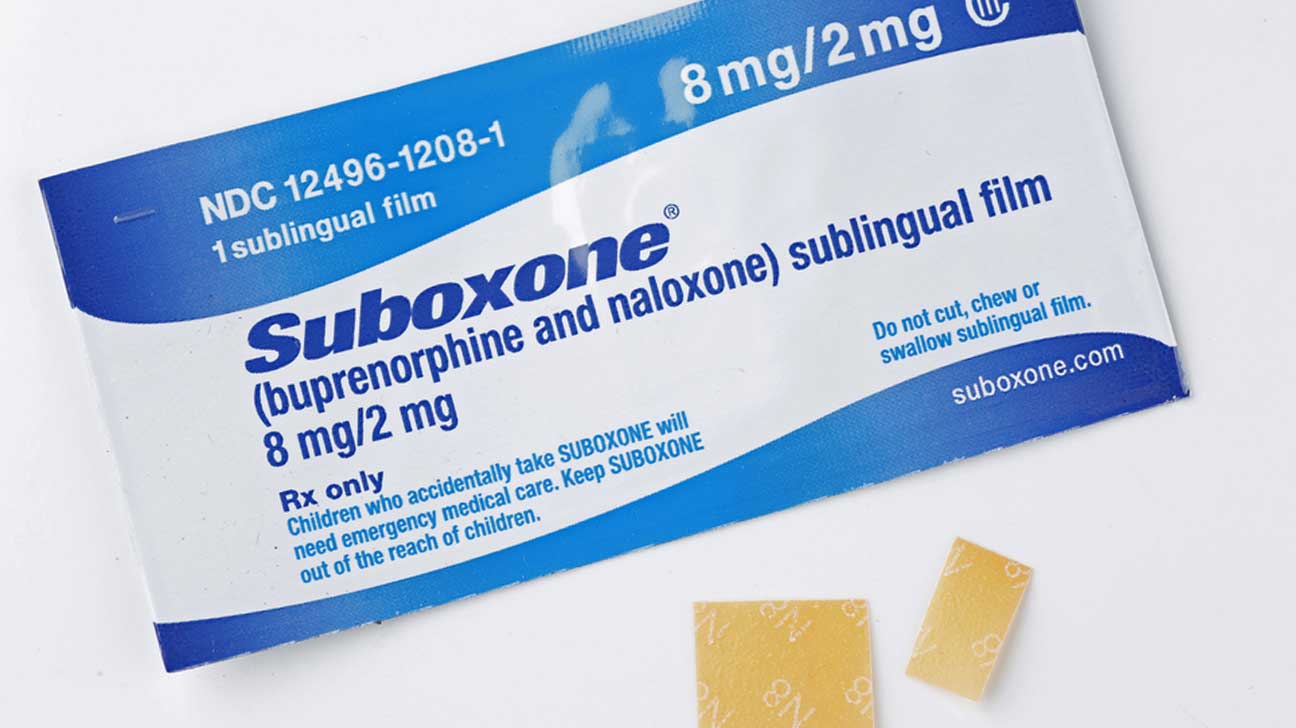
Suboxone should be taken once a day by placing the tablet or film under the tongue or in the cheek. The medication should fully dissolve without being crushed, cut, or swallowed.
Learn more about taking Suboxone for opioid addiction
Steps To Taking Suboxone Films And Strips
Suboxone strips and tablets share a similar guide on usage, but there are a few differences to note.
Suboxone can either be taken sublingually (under the tongue) or buccally (in the cheek). Suboxone tablets are taken sublingually, and films can be used either way.
How To Properly Take Suboxone Strips
Suboxone strips are small, thin rectangular strips of Suboxone. Make sure you pick up the Suboxone strip with a clean, dry finger to avoid it dissolving outside of the mouth.
Follow these steps when using Suboxone strips:
- Pick up one film at the outer edges of the film.
- Place one strip under the tongue or in either cheek.
- If a second dose has been prescribed by your doctor, place another strip under the tongue on the opposite side and avoid overlap. For buccal administration, place the second strip on the inside of the other cheek.
- Press the film into the cheek and hold.
- Allow the strip to fully dissolve. This should take about five to 10 minutes.
- If a third strip is needed, wait for the first two to dissolve, and then repeat the process.
Read more about how to properly administer Suboxone strips
How To Properly Take Suboxone Tablets
Suboxone tablets look similar to other tablet medications.
Some people prefer this form of Suboxone because it blends in more with other types of medications, bringing less attention to the use of Suboxone for opioid treatment.
Follow these steps when using Suboxone tablets:
- Place one tablet under the tongue.
- If your doctor has directed you to take two at once, place both tablets under the tongue at the same time. Try to place them on opposite sides of the tongue and avoid overlap.
- Hold the tablet in place and do not move it.
- Allow the tablet to dissolve completely for five to 10 minutes.
- If a third tablet is needed, wait for the first two to dissolve, and then repeat the process.
It’s best to drink water or some other drink before using tablets or strips because the water will provide more moisture and allow the medication to dissolve quicker.
You may also choose to rinse your mouth with water or wet the inside of your cheek with your tongue.
Tips For Proper Usage Of Suboxone
The manufacturers of Suboxone designed it to work when it’s handled correctly. If it’s taken incorrectly, the medicine won’t work to stop the symptoms of opioid withdrawal.
Do Not Eat Or Drink While Using Suboxone
Avoid eating and drinking while using Suboxone. The medication needs to completely dissolve into the cheek or under the tongue in order to be effective.
If it’s mixed with food or drinks while it’s already in the process of dissolving, the medication will get swallowed and it won’t produce the desired effects.
Do Not Smoke, Snort, Or Inject Suboxone
Smoking, snorting, or injecting Suboxone can be very dangerous.
The naloxone in Suboxone works to block the harmful effects of opioids, and buprenorphine reduces the effects of opioid withdrawal symptoms and cravings.
However, if the medication is crushed, dissolved into a solution, or changed in some other way, this will activate the naloxone and render the buprenorphine ineffective.
This will cause a sudden and intense period of withdrawal.
Injecting Suboxone presents its own unique dangers, such as:
- unresponsiveness
- injection-site infections
- cellulitis
- sepsis
- cardiorespiratory failure
- overdose
- death
Read more about snorting Suboxone
When Is The Right Time To Take Suboxone?
In order to properly take Suboxone, it’s important to take it within the correct time frame.
Wait to start taking Suboxone until you’ve experienced mild to moderate symptoms of opioid withdrawal. Taking Suboxone too early can result in precipitated withdrawal.
Precipitated withdrawal happens when there are other opioids already in the system before taking Suboxone.
Taking it early can result in worsened symptoms of withdrawal, including nausea, sweating, and increased heart rate.
If I Still Have Withdrawal Symptoms Can I Take Another Dose?
Do not take more Suboxone than prescribed without the knowledge and direction of your doctor.
It is acceptable to take multiple doses of Suboxone (depending on the strength of the dose), but don’t take another dose unless your doctor has approved it.
Find Suboxone Treatment For An Opioid Addiction
The best way to use Suboxone is under the clinical supervision of trained staff. If you’d like to learn more about addiction treatment programs that use Suboxone, call our helpline.
There is a range of addiction recovery programs aimed at helping individuals with opioid use disorders. Find out how Suboxone can help you or your loved one to recover from addiction.
Addiction Resource aims to provide only the most current, accurate information in regards to addiction and addiction treatment, which means we only reference the most credible sources available.
These include peer-reviewed journals, government entities and academic institutions, and leaders in addiction healthcare and advocacy. Learn more about how we safeguard our content by viewing our editorial policy.
- Centers for Disease Control and Prevention (CDC)—Notes from the Field: Emergency Visits for Complications of Injecting Transmucosal Buprenorphine Products — United States, 2016–2018
https://www.cdc.gov/mmwr/volumes/69/wr/mm6932a5.htm - Mayo Clinic—Buprenorphine/Naloxone (Oromucosal Route, Sublingual Route)
https://www.mayoclinic.org/drugs-supplements/buprenorphine-naloxone-oromucosal-route-sublingual-route/proper-use/drg-20074097 - U.S. National Library of Medicine: PubMed—Injecting buprenorphine-naloxone film: Findings from an explorative qualitative study
https://pubmed.ncbi.nlm.nih.gov/26179339/ - NPS MedicineWise—Suboxone Film
https://www.nps.org.au/medicine-finder/suboxone-sublingual-film-2-mg-0-5-mg#:~:text=SUBOXONE%20FILM%20should%20be%20held,between%204%20and%208%20minutes.