State-funded rehab centers in Maryland receive funding in a few different ways, using both state and federal government funding sources.
These funding sources include:
- Medicaid
- Medicare
- TRICARE federal military insurance
- government grants and vouchers
- IHS/Tribal/Urban (ITU) funds
- other federal and state programs for substance use disorders
Below we’ll explore eight state-funded rehabilitation facilities in Maryland that are state-funded or accept public health insurance. Read on to learn more.
List Of State-Funded Addiction Treatment Centers In Maryland
The following list of affordable state-funded rehab centers in Maryland has been assembled for your or a loved one’s consideration.
These drug rehab centers feature criteria such as:
- accreditation
- evidence-based practices
- positive client testimonials
- one or more options for state funding
- certifications
1. Addiction Treatment Services’ Another Way, Takoma Park, Maryland
Addiction Treatment Services opened its first treatment center in 1993 and ever since has helped people with opioid addiction and other chemical dependencies.
Its Takoma Park, MD, addiction treatment center, called Another Way, helps people in the Washington, D.C., metro area.
Trusted features:
- Commission on Accreditation of Rehabilitation Facilities (CARF) accreditation
- Substance Abuse and Mental Health Services Administration (SAMHSA) certification
- state licensure
- licensed staff
Levels of care:
- detoxification
- outpatient program (OP)
- medication-assisted treatment (MAT)
Treatment services:
- individual therapy
- case management
- pregnant women’s addiction treatment
- telehealth
- relapse prevention
- counseling
Payment options:
- Medicare
- Medicaid
- self-payment
- private health insurance
Location and contact information:
1363 Holton Ln.
Takoma Park, MD 20912
(301) 434-2622
2. Chrysalis House, Crownsville, Maryland
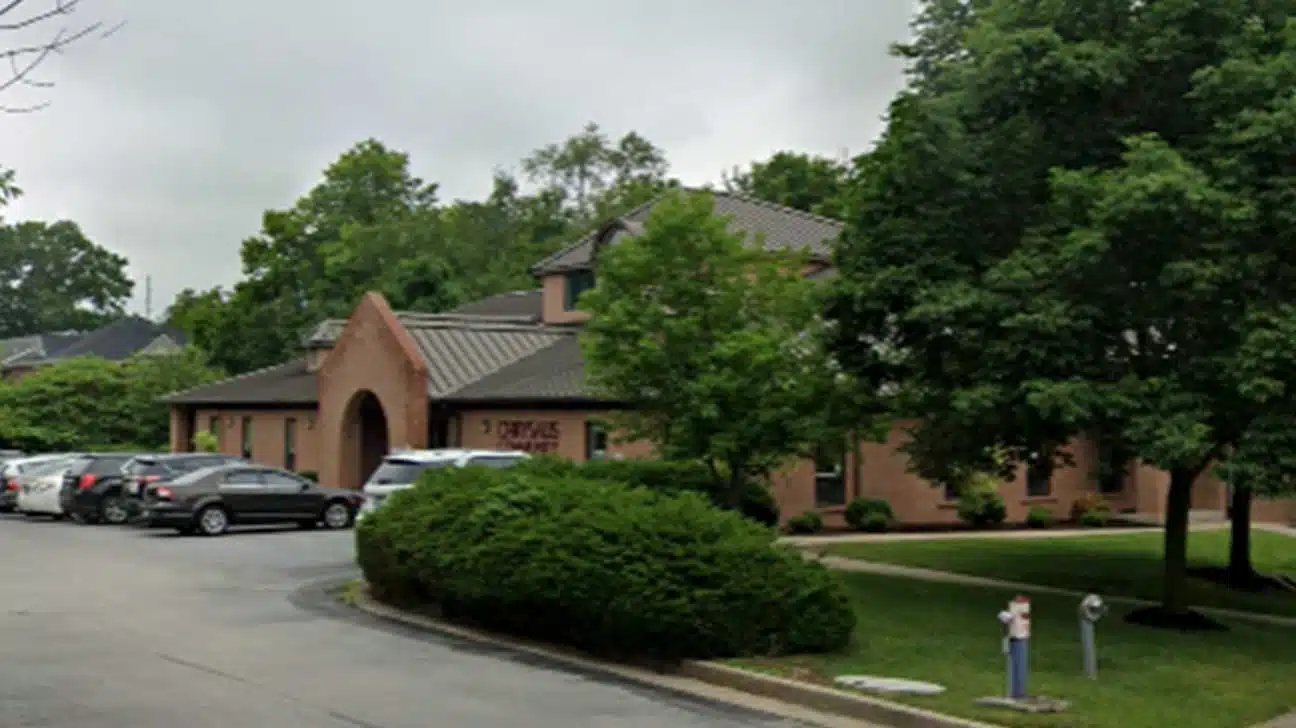
Founded in 1986, Chrysalis House is a treatment provider of addiction recovery services for women and their children.
The organization has grown from a 10-bed program in Pasadena, MD, to a regional agency serving over 100 women every year.
Trusted features:
- Commission on Accreditation of Rehabilitation Facilities (CARF) accreditation
- state licensure
- licensed staff
- non-profit status
Levels of care:
- residential treatment
- intensive outpatient program (IOP)
- outpatient program (OP)
- medication-assisted treatment (MAT)
Treatment services:
- dual diagnosis treatment
- case management
- individual therapy
- counseling
- LGBTQ+ services
- pregnant women’s addiction treatment
Payment options:
- government funding
- Medicare
- Medicaid
Location and contact information:
1570 Crownsville Rd.
Crownsville, MD 21032
(410) 974-6829
3. Concerted Care Group LLC, Brooklyn, Maryland
Concerted Care Group (CCG) provides outpatient behavioral health treatment to help clients overcome chemical dependency and improve their overall wellness.
CCG provides guidance and support for housing, vocational assistance, and volunteering opportunities alongside substance abuse treatment.
Trusted features:
- Commission on Accreditation of Rehabilitation Facilities (CARF) accreditation
- Substance Abuse and Mental Health Services Administration (SAMHSA) certification
- state licensure
- licensed staff
Levels of care:
- detoxification
- intensive outpatient program (IOP)
- outpatient program (OP)
- medication-assisted treatment (MAT)
Treatment services:
- women’s addiction treatment
- case management
- individual therapy
- counseling
- trauma-informed therapy
- dual diagnosis treatment
Payment options:
- sliding fee scale
- Medicaid
- Medicare
- TRICARE
- private health insurance
- self-payment
- government funding
Location and contact information:
112 E. Patapsco Ave.
Brooklyn, MD 21225
(667) 260-2600
4. Counseling Plus, Silver Spring, Maryland
Counseling Plus has operated since 1991 and offers a range of behavioral health and legal services.
People with DUIs and substance use disorders (SUDs) can find help for both in this Silver Spring, MD, addiction treatment center.
Trusted features:
- Commission on Accreditation of Rehabilitation Facilities (CARF) accreditation
- licensed staff
Levels of care:
- intensive outpatient program (IOP)
- outpatient program (OP)
Treatment services:
- trauma-informed therapy
- individual therapy
- case management
- relapse prevention
- dual diagnosis treatment
- counseling
Payment options:
- Medicaid
- private health insurance
- self-payment
- TRICARE
Location and contact information:
8561 Fenton St.
Ste. #230
Silver Spring, MD 20910
(301) 565-9001
5. Healthy Lives, Halethorpe, Maryland
Healthy Lives aims to bridge the gap between hope and addiction by providing Baltimorians with evidence-based substance abuse treatment.
This facility offers programs designed to address several areas of need within the community and is linked with various organizations to ensure effective health care for all clients.
Trusted features:
- Commission on Accreditation of Rehabilitation Facilities (CARF) accreditation
- state licensure
- licensed staff
Levels of care:
- partial hospitalization program (PHP)
- intensive outpatient program (IOP)
- outpatient program (OP)
- medication-assisted treatment (MAT)
Treatment services:
- buprenorphine treatment
- adolescent treatment
- counseling
- 12-step recovery groups
- case management
- telehealth
Payment options:
- sliding fee scale
- Medicaid
- Medicare
- private health insurance
- self-payment
Location and contact information:
1504 Joh Ave.
Ste. #120
Halethorpe, MD 21227
(443) 219-7901
6. M And M Behavioral Health Solutions, Glen Burnie, Maryland
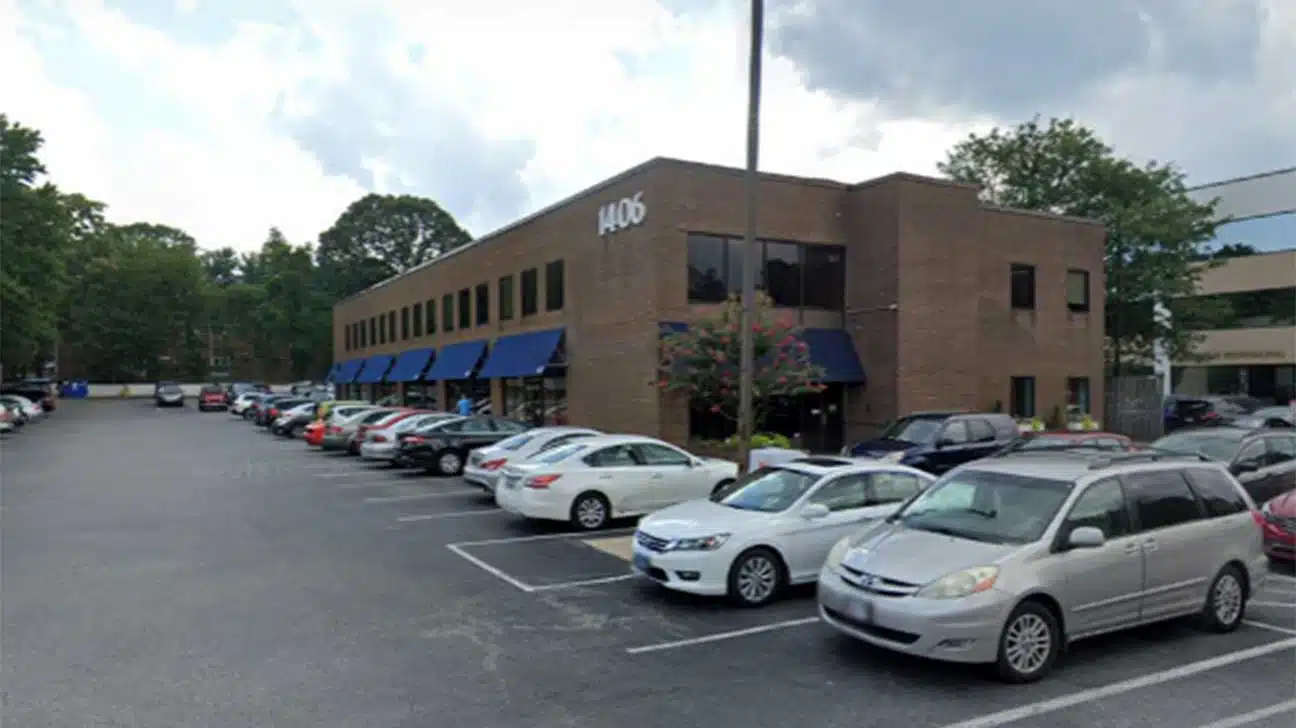
M and M Behavioral Health Solutions is a full-service family practice with licensed, experienced counselors who work closely with clients to help them improve and maintain their behavioral health.
This facility, about 13 miles south of Baltimore, works with children, teens, adults, and families to encourage personal growth and promote harmony in their everyday lives.
Trusted features:
- Joint Commission accreditation
- state licensure
- licensed staff
Levels of care:
- intensive outpatient program (IOP)
- outpatient program (OP)
- medication-assisted treatment (MAT)
Treatment services:
- individual therapy
- telehealth
- counseling
- trauma-informed therapy
- women’s addiction treatment
- medication management
Payment options:
- TRICARE
- Medicaid
- Medicare
- self-payment
Location and contact information:
1406 S. Crain Hwy.
Ste. #106
Glen Burnie, MD 21061
(410) 766-6624
7. Mountain Manor Treatment Center, Emmitsburg, Maryland
Maryland Treatment Centers provides integrative and holistic rehabilitation treatment for addiction and mental health.
Over 10 locations fall under the Maryland Treatment Centers banner, including this addiction recovery facility in Emmitsburg, MD.
Trusted features:
- Joint Commission accreditation
- state licensure
- licensed staff
- non-profit status
Levels of care:
- residential treatment
- detoxification
- partial hospitalization program (PHP)
- medication-assisted treatment (MAT)
Treatment services:
- dual diagnosis treatment
- methadone treatment
- counseling
- individual therapy
- 12-step recovery groups
- case management
Payment options:
- government funding
- Medicaid
- private health insurance
- self-payment
Location and contact information:
9701 Keysville Rd.
Emmitsburg, MD 21727
(301) 447-2361
8. Project Chesapeake, Annapolis, Maryland
Project Chesapeake offers 12 outpatient locations across many areas of Maryland.
Its CARF-accredited addiction treatment facility in Annapolis, MD, offers people with a busy schedule the opportunity to recover from substance abuse.
Trusted features:
- Commission on Accreditation of Rehabilitation Facilities (CARF) accreditation
- licensed staff
- 4.2-star Google rating
Levels of care:
- outpatient program (OP)
- medication-assisted treatment (MAT)
Treatment services:
- medication management
- buprenorphine treatment
- individual therapy
- anger management
- adolescent treatment
- DUI program
Payment options:
- Medicare
- Medicaid
- TRICARE
Location and contact information:
108 Old Solomons Island Rd.
Ste. #100
Annapolis, MD 21401
(443) 214-5097
Sources Of Funding For State-Funded Rehab Centers In Maryland
There are several ways state-funded rehab centers in Maryland receive funding. Keep reading to learn more.
Apply For Maryland Medicaid
Medicaid is a health insurance program for people with low incomes. The funding from Medicaid comes from the state of Maryland and the federal government.
If you’re approved for Medicaid in Maryland, you can use this health insurance to pay for most, if not all, of your stay at a drug and alcohol rehab center.
Learn more about using Medicaid in Maryland at a state-funded rehab center.
Federal Grants For Rehab Programs
Another example of state funding is a government-awarded grant provided through the Substance Abuse and Mental Health Services Administration (SAMHSA).
The Substance Abuse Block Grant (SABG) program is available in all 50 states, and participating rehab centers can use SABG funds to provide treatment for those in need.
Other State Funding Sources In Maryland
Between state and federal funds, Maryland has allotted almost $260 million dollars in mental health and substance abuse treatment and prevention.
These state funds go towards programs like:
- Projects for Assistance in Transition from Homelessness (PATH) — The PATH grant in Maryland provides substance use treatment, housing services, and community mental health for people experiencing homelessness.
- Community Mental Health Services Block Grant (MHBG) — over $58 million is provided through the MHBG to target populations with serious mental illness (SMI).
Recovery Services Covered By State Funds In Maryland
Luckily, state-funded drug rehab facilities in Maryland can offer a range of evidence-based treatment services to promote the best outcomes for their clients.
Some of these behavioral health services may include:
- inpatient drug rehabilitation
- drug and alcohol detox centers
- outpatient treatment plans
- sober living homes
- support groups for alcohol addiction
- group therapy for drug addiction
- case management services
- holistic treatment options
FAQs For State-Funded Rehab Programs In Maryland
See below for more useful information about state-funded addiction recovery programs in Maryland.
Are State-Funded Maryland Rehab Centers Free?
If you’re using SUBG funds, Medicaid, Medicare, or TRICARE, you may be able to get free or very low-cost addiction treatment at a state-funded rehab center.
Keep in mind that when using Medicaid or Medicare, there may be a small co-payment for services that is capped at a certain amount.
How Long Is Treatment At A State-Funded Rehab Center?
The length of treatment can vary greatly depending on the severity of your addiction and the level of care you will need to recover effectively.
Most rehab centers offer treatment programs that last 30, 60, and 90 days. If you require residential treatment or sober home living accommodations, your stay could be much longer.
Should I Go To An Inpatient Or Outpatient Program In Maryland?
Outpatient care allows you to continue living at home, while inpatient care is more intensive and requires that you live on-premises for the duration of your treatment.
You should weigh the pros and cons of inpatient and outpatient treatment plans before making your decision.
Find Drug And Alcohol Treatment Today
Call Addiction Resource today for more information on state-funded rehab facilities, a referral, or help finding a recovery center that can meet your individual needs.
Updated on January 15, 2024
Addiction Resource aims to provide only the most current, accurate information in regards to addiction and addiction treatment, which means we only reference the most credible sources available.
These include peer-reviewed journals, government entities and academic institutions, and leaders in addiction healthcare and advocacy. Learn more about how we safeguard our content by viewing our editorial policy.
- Benefits.gov — Maryland Medical Assistance Program
https://www.benefits.gov/benefit/1278 - The Substance Abuse and Mental Health Services Administration (SAMHSA) — Grant Awards by State
https://www.samhsa.gov/grants-awards-by-state/MD/2021 - The Substance Abuse and Mental Health Services Administration (SAMHSA) — Treatment Locator
https://findtreatment.gov/