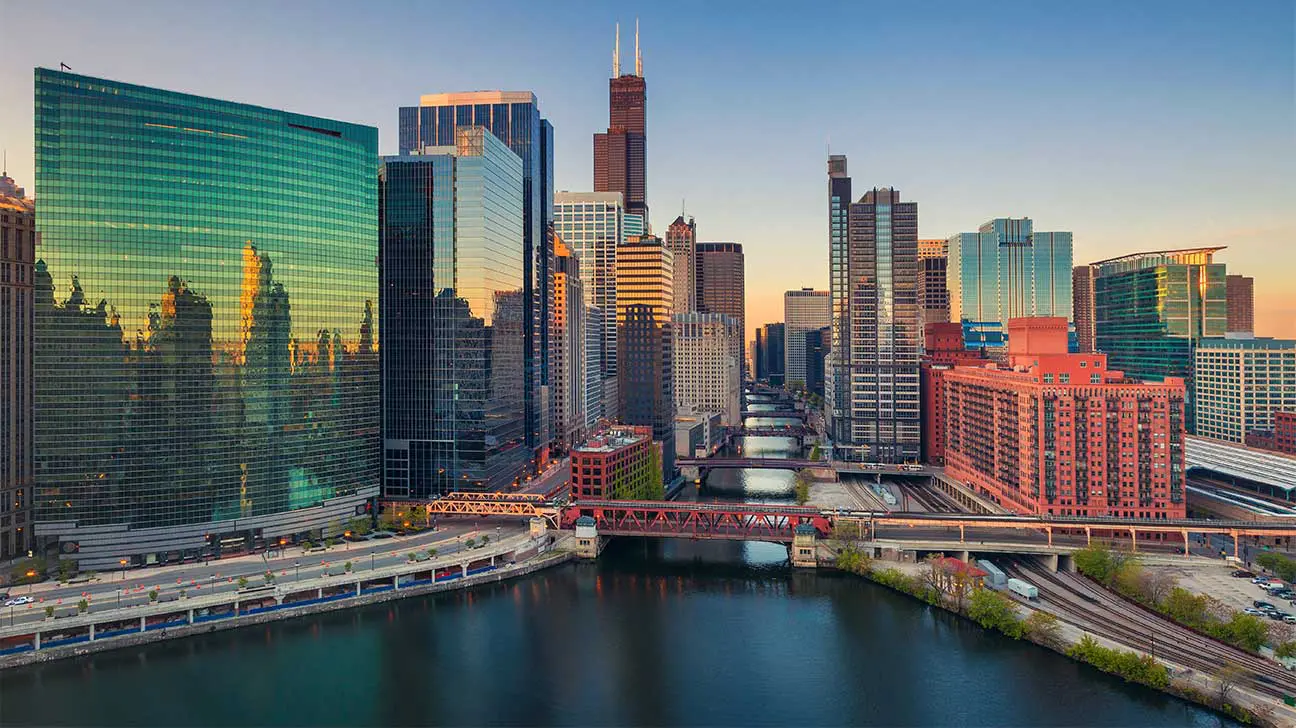
In Chicago, drugs like heroin, fentanyl, and injectable drugs are of major concern. According to the U.S. Drug Enforcement Administration (DEA), opioid abuse is on the rise in Chicago.
If you or someone you love is abusing these or other substances, there are many addiction treatment centers in the city of Chicago that can help.
Illinois drug rehab facilities may offer many different evidence-based services including medication-assisted treatment (MAT), medical detox, group therapy, aftercare, and more.
List Of Addiction Treatment Centers In Chicago, Illinois
The following drug rehab centers in the Chicago area were selected for their qualifications that indicate safe, effective addiction treatment.
Indicators of quality addiction care include:
- an array of treatment programs
- accreditation status
- positive Google reviews
- evidence-based treatment
1. Chicago Treatment And Counseling Centers, Chicago, Illinois
Chicago Treatment and Counseling Centers provides treatment services such as MAT and individual counseling for heroin addiction and other opioid use disorders.
The goal of care providers at Chicago Treatment and Counseling Centers is to treat each client the way they themselves would like to be treated, with kindness and respect, when helping them heal from addiction.
Trusted features:
- Commission on Accreditation of Rehabilitation Facilities (CARF)
- Substance Abuse and Mental Health Services Administration (SAMHSA) certification
- 4.5-star Google rating
Levels of care:
- intensive outpatient program (IOP)
- outpatient program (OP)
- medication-assisted treatment (MAT)
- aftercare
Treatment services:
- case management
- crisis intervention
- individual counseling
- family counseling
- group counseling
- buprenorphine treatment
- naltrexone treatment
- relapse prevention
- pregnant women’s addiction treatment
Payment options:
- Medicaid
- self-pay
Location and contact information:
3520 S. Ashland Ave.
Chicago, IL 60609
(773) 523-3400
2. Gateway Foundation, Chicago, Illinois
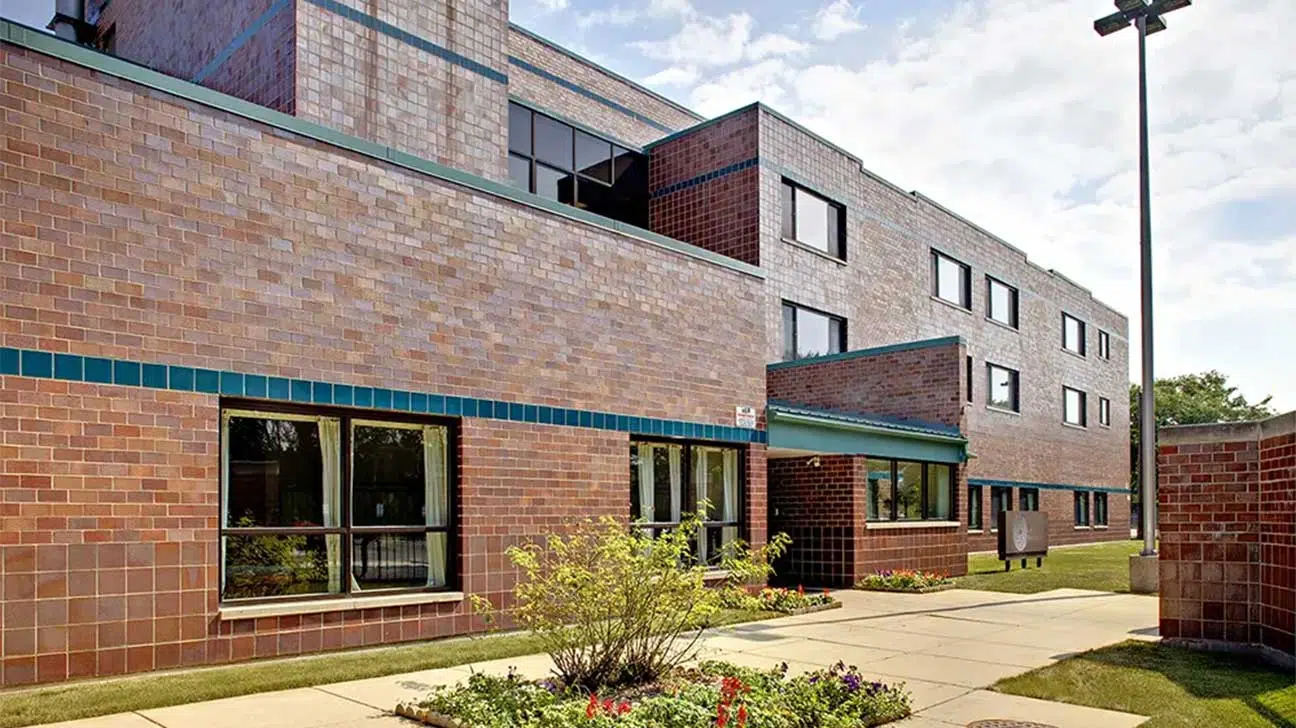
The Gateway Foundation uses evidence-based methods to treat alcohol addiction, opioid misuse, cocaine abuse, and more.
Treatment plans may also include holistic therapy options, such as mindfulness-based recovery and recreational therapy, to promote physical, mental, and emotional healing.
Trusted features:
- Joint Commission accreditation
- LegitScript certification
- National Association of Addiction Treatment Providers (NAATP) membership
- 4.3-star Google rating
Levels of care:
- residential treatment
- detoxification
- partial hospitalization program (PHP)
- intensive outpatient program (IOP)
- outpatient program (OP)
- medication-assisted treatment (MAT)
- aftercare
Treatment services:
- sober living
- individual therapy
- group therapy
- trauma-informed therapy
- cognitive behavioral therapy (CBT)
- dialectical behavior therapy (DBT)
- motivational interviewing (MI)
- 12-step recovery groups
- holistic treatment
- telehealth
Payment options:
- private health insurance
Location and contact information:
55 E. Jackson Blvd.
Ste. #1500
Chicago, IL 60604
(872) 259-5177
3. Haymarket Center, Chicago, Illinois
Haymarket Center offers gender-based addiction recovery programs for Illinois women and men.
This specific location offers residential treatment for men only and a rapid stabilization program (RSP), but comprehensive services are available through Haymarket offices nearby.
This includes medically monitored detox services for men and for women, addiction treatment programs specifically for parents, and outpatient services.
Trusted features:
- Commission on Accreditation of Rehabilitation Facilities (CARF) accreditation
- state licensure
- nonprofit status
Levels of care:
- residential treatment
- aftercare
Treatment services:
- crisis intervention
- dual diagnosis treatment
- individual therapy
- medication management
- cognitive behavioral therapy (CBT)
- motivational interviewing (MI)
- anger management
- trauma-informed therapy
- 12-step recovery groups
- veterans treatment
- LGBTQ+ services
Payment options:
- private health insurance
- Medicaid
- state-funded insurance other than Medicaid
- Medicare
- self-pay
- sliding fee scale
Location and contact information:
120 N. Sangamon St.
Chicago, IL 60607
(312) 226-7984
4. Healthcare Alternative Systems (H.A.S.), Chicago, Illinois
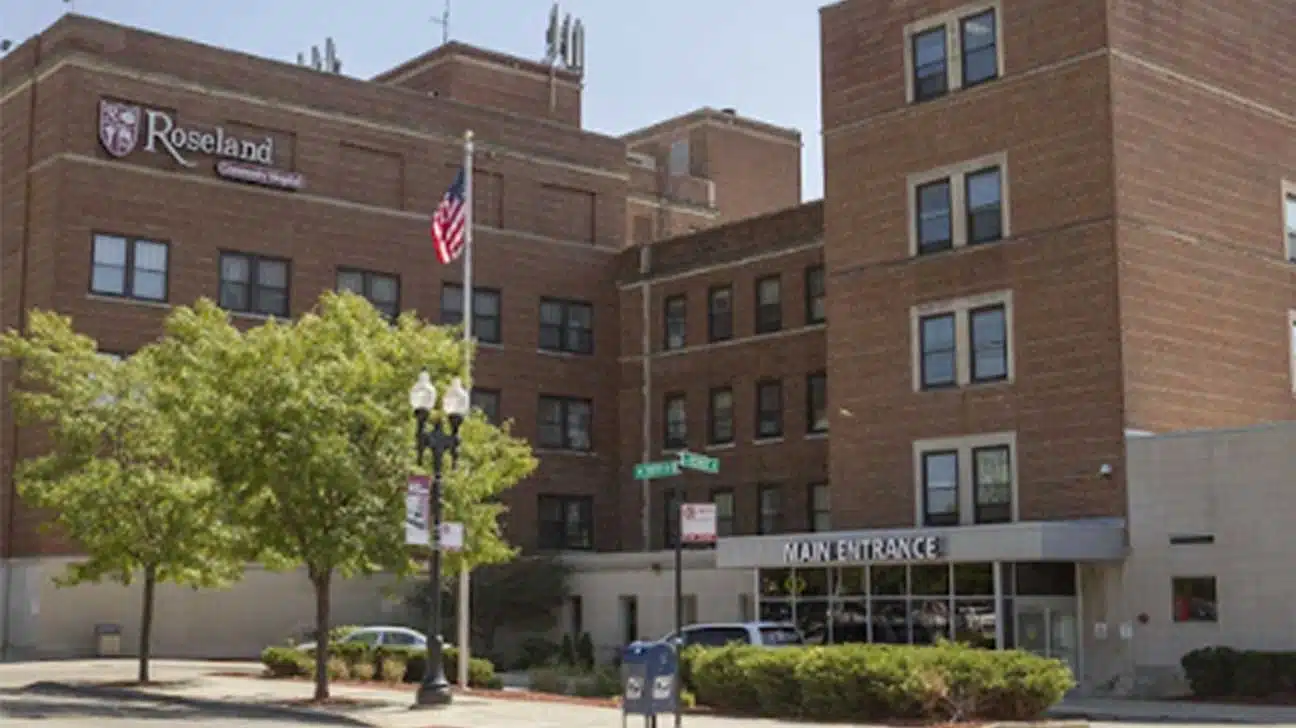
H.A.S. offers an Illinois-based men’s residential treatment program in Chicago.
This location is an outpatient facility. H.A.S. has been offering multicultural and bilingual behavioral health care in the Chicagoland area for over 50 years.
Trusted features:
- Commission on Accreditation of Rehabilitation Facilities (CARF) accreditation
- state licensure
- 4.3-star Google rating
Levels of care:
- intensive outpatient program (IOP)
- outpatient program (OP)
- aftercare
Treatment services:
- crisis intervention
- case management
- dual diagnosis treatment
- individual therapy
- buprenorphine treatment
- anger management
- cognitive behavioral therapy (CBT)
- motivational interviewing (MI)
- DUI treatment programs
Payment options:
- private health insurance
- government funding
- Medicaid
- self-pay
- sliding fee scale
Location and contact information:
2755 W. Armitage Ave.
Chicago, IL 60647
(773) 252-3100
5. Positive Sobriety Institute (PSI), Chicago, Illinois
PSI is a drug and alcohol treatment program that offers addiction counseling and dual diagnosis treatment for Illinois adults.
It is open 24/7 to make addiction care more accessible for its clients. Special programs are available for physicians, lawyers, athletes, and other professionals facing addiction.
Trusted features:
- Joint Commission accreditation
- National Association of Addiction Treatment Providers (NAATP) membership
- 3.8-star Google rating
Levels of care:
- partial hospitalization program (PHP)
- intensive outpatient program (IOP)
- outpatient program (OP)
- aftercare
Treatment services:
- dual diagnosis treatment
- diagnostic assessment
- individual therapy
- group therapy
- cognitive behavioral therapy (CBT)
- holistic treatment
- faith-based services
Payment options:
- self-pay
Location and contact information:
142 E. Ontario St.
Ste. #1000
Chicago, IL 60611
(312) 312-9000
6. Southwood Interventions, Chicago, Illinois
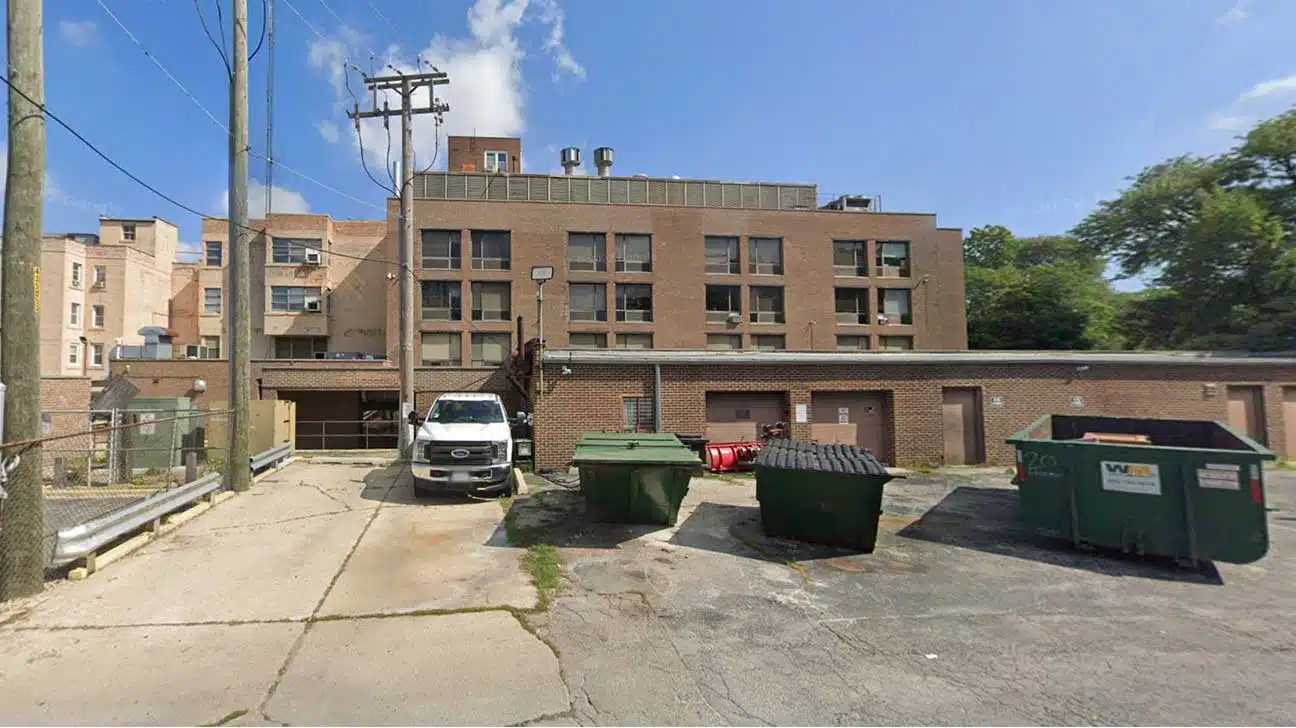
Southwood Interventions, part of Abraxas Youth & Family Services, provides gender-specific residential treatment programs, a medically monitored detoxification program, and outpatient treatment.
Trusted features:
- Joint Commission accreditation
- state licensure
- 3.4-star Google rating
Levels of care:
- residential treatment
- inpatient detox
- drug detox
- alcohol detox
- partial hospitalization program (PHP)
- intensive outpatient program (IOP)
- outpatient program (OP)
- medication-assisted treatment (MAT)
- aftercare
Treatment services:
- case management
- individual therapy
- group therapy
- motivational interviewing (MI)
- Matrix Model
- 12-step recovery groups
- methadone treatment
- gender-specific treatment
- DUI treatment programs
Payment options:
- government funding
- TRICARE
- Medicaid
- private health insurance
- self-pay
Location and contact information:
5701 S. Wood St.
Chicago, IL 60636
(773) 737-4600
7. SunCloud Health, Chicago, Illinois

SunCloud Health provides multiple levels of care for addiction recovery including residential rehab programs, PHP, IOP, and stadard outpatient services.
It also has special programs that focus on treating co-occurring eating disorders and substance abuse, as well as other dual diagnosis programs.
Trusted features:
- Joint Commission accreditation
- state licensure
- 4-star Google rating
Levels of care:
- residential treatment
- partial hospitalization program (PHP)
- intensive outpatient program (IOP)
- outpatient program (OP)
- medication-assisted treatment (MAT)
- aftercare
Treatment services:
- case management
- dual diagnosis treatment
- individual therapy
- cognitive behavioral therapy (CBT)
- anger management
- trauma-informed therapy
- 12-step recovery groups
- family counseling
- relapse prevention
Payment options:
- private health insurance
- TRICARE
- self-pay
Location and contact information:
1840 N. Clybourn Ave.
Ste. #520
Chicago, IL 60614
(312) 460-2546
8. Teen Challenge Chicago, Chicago, Illinois
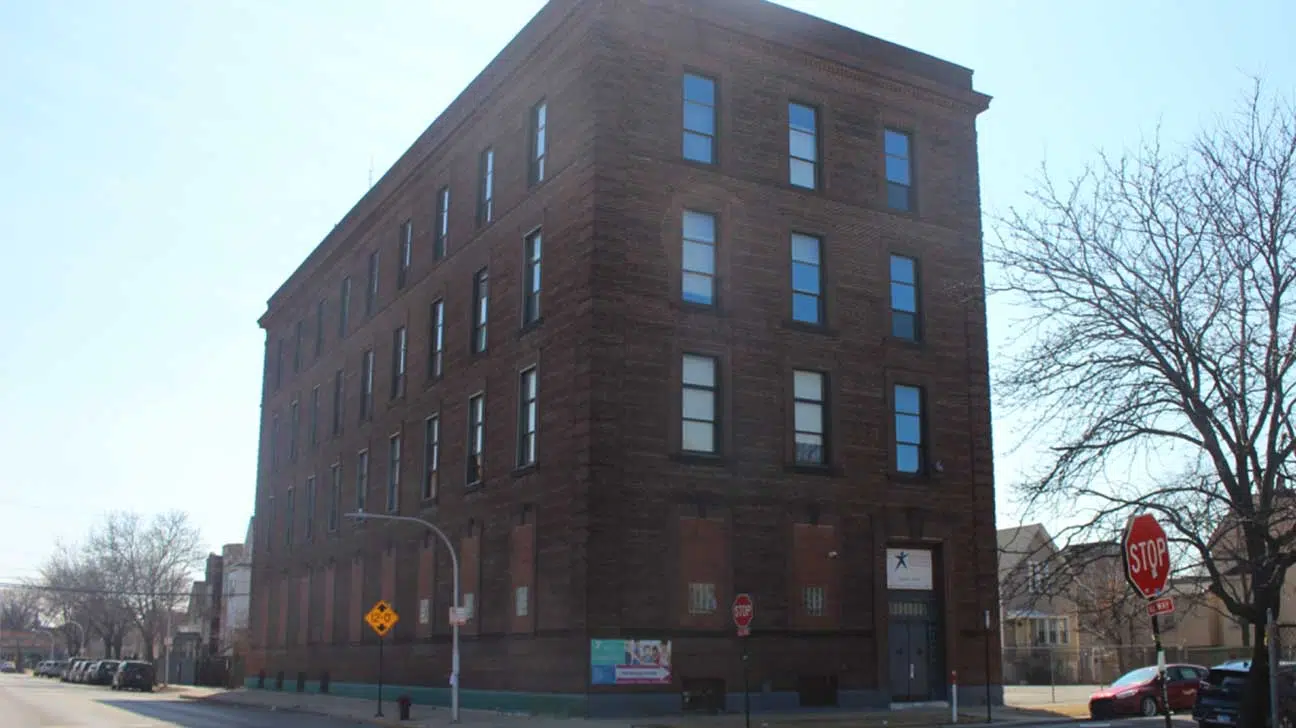
This Christian drug and alcohol recovery center for Illinois teens offers mentorship services, church attendance, spiritual counseling, and more.
Serving people for over 65 years, Adult and Teen Challenge provides a long-term residential treatment option that lasts 12 to 18 months, depending on the needs of the client.
Trusted features:
- Evangelical Council for Financial Accountability (ECFA) accreditation
- GoldStar Seal of Transparency
- client testimonials
Levels of care:
- residential treatment
Treatment services:
- individual counseling
- faith-based services
- life skills education
Payment options:
- self-pay
- payment assistance
Location and contact information:
3601 W. Cortland St.
Chicago, IL 60647
(773) 772-2211
Types Of Addiction Treatment Services Available In Chicago, Illinois
Both inpatient and outpatient treatment options are available to residents of Chicago who are living with substance use disorders.
Behavioral health services may include:
- short-term and long-term inpatient treatment
- residential treatment
- detoxification
- standard outpatient services
- dual diagnosis treatment for co-occurring mental health disorders
- methadone or buprenorphine maintenance
- group therapy for opioid drug addiction
- support groups for adolescents and young adults
- relapse prevention
- sober living homes
- cognitive behavioral therapy (CBT)
- case management and wellness services
- aftercare
Choosing The Right Addiction Treatment Program In Chicago, Illinois
There are several factors to consider during your search for a reputable and effective addiction treatment center in Chicago, IL.
Consider the following during your search:
- the level of care available at the rehabilitation center
- what types of payment options or health insurance coverage for addiction are accepted
- the length of time it takes to complete the recovery program
- whether the facility is accredited by a reputable agency such as CARF or The Joint Commission
- specialized services the program may offer for pregnant women, LGBTQ people, teens, veterans, and others
Each addiction recovery center in Illinois is different, so it’s important to choose a facility that addresses your unique individual needs.
What To Expect During A Substance Abuse Treatment Program In Chicago, Illinois
Inpatient drug rehab programs may involve medical detox, residential treatment, and other types of general healthcare services.
A day in residential treatment may consist of:
- group or individual therapy sessions
- nutritious meals
- time for exercise or mindfulness meditation
- opportunities to build a support network with other people in recovery
- appointments with a primary care physician to monitor your overall health
Specialized Treatment Programs Available In Chicago, Illinois
Some rehab centers will offer specialized programs for people with unique treatment needs.
Types of specialized services may include:
- inpatient recovery programs for pregnant women in Illinois
- faith-based treatment programs that emphasize the role of spirituality and a higher power
- pet-friendly drug rehab programs that allow clients to bring their dog or cat
- specialized services for people with co-occurring mental health disorders such as depression, anxiety disorders, and codependency with addiction
FAQs About Drug Rehab Facilities In Chicago, Illinois
The useful information below may help you or your loved ones narrow your search for a rehab facility in Chicago, IL.
Are There Non-12-Step Rehab Centers In Chicago, Illinois?
There are non-12-step treatment facilities in Illinois for people who want to embrace a science-based recovery program.
Treatment services at a non-12-step facility may include behavioral therapies, medication management, medical detox, and SMART Recovery programs.
What Do You Do If You Relapse After Going To A Chicago, Illinois, Rehab Center?
Many people are hesitant about attending a rehab program because they’re worried they might relapse soon after.
Inpatient and residential treatment programs often provide continuing care or aftercare, which offers stabilization and continued outpatient therapy to help avoid relapse.
If you relapse, then the best thing you can do is get back into treatment. You may need to take a new individualized treatment program or give yourself more time.
Will A Rehab Program Offer Specialized Care For LGBTQ People?
Yes, there are many LGBTQ-friendly rehab programs in Illinois where gay, lesbian, bisexual, and transgender clients can receive specialized care and support services.
How Long Will A Residential Rehab Program Last In Chicago, Illinois?
A person may remain in treatment for as long as they see necessary. Most residential and inpatient programs last 30 to 90 days.
Long-term residential treatment programs in Illinois may last up to a year or longer, depending on the needs of the client.
Does Addiction Treatment In Chicago, Illinois, Work For People With Depression?
Many Chicago drug abuse and chemical dependency centers offer treatment for co-occurring disorders, including depression.
If you’re facing depression or a mood disorder and addiction, a dual diagnosis program can help alleviate the symptoms of both issues.
Find Substance Abuse Treatment Today
If you or a loved one is looking for an addiction rehab program, reach out to AddictionResource.net today for more information.
Updated on July 18, 2023
Addiction Resource aims to provide only the most current, accurate information in regards to addiction and addiction treatment, which means we only reference the most credible sources available.
These include peer-reviewed journals, government entities and academic institutions, and leaders in addiction healthcare and advocacy. Learn more about how we safeguard our content by viewing our editorial policy.
- U.S. Drug Enforcement Administration (DEA) — The Drug Situation in the Chicago Field Division
https://www.dea.gov/sites/default/files/2019-11/PRB%20FINAL%20--%20DIR-004-20%20The%20Drug%20Situation%20in%20the%20Chicago%20Field%20Division.pdf - National Institute on Drug Abuse (NIDA) — Types of Treatment Programs
https://www.drugabuse.gov/publications/principles-drug-addiction-treatment-research-based-guide-third-edition/drug-addiction-treatment-in-united-states/types-treatment-programs