

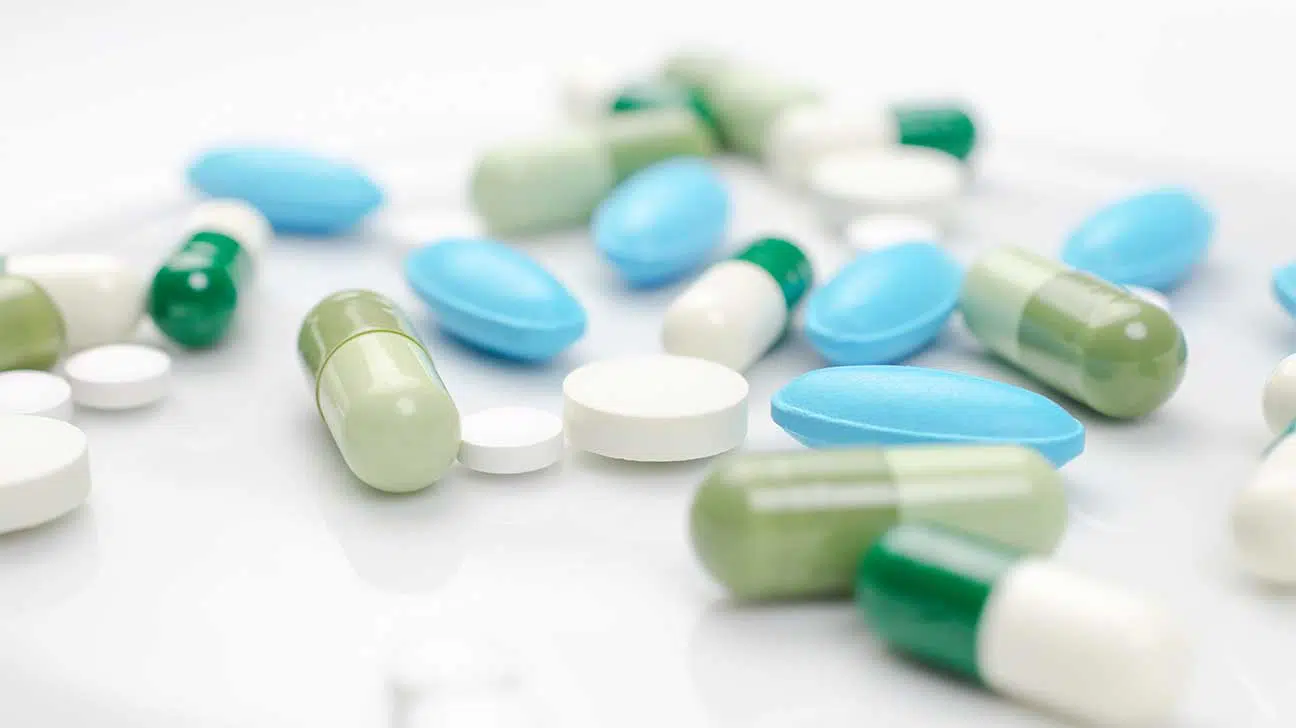
Muscle relaxers are prescription medications that depress the central nervous system to relax muscles and relieve pain.
When used responsibly, these drugs can effectively treat a range of issues such as cerebral palsy, spinal cord injuries, back pain, and more. When abused, muscle relaxers may pose serious and deadly side effects.
Despite the risks, approximately six million adults in the United States have abused prescription muscle relaxers in the past year.
Commonly Abused Muscle Relaxers
Muscle relaxers are powerful sedatives that not only relieve lower back pain and neck pain but also relax the entire body and provide a strong calming effect.
Types of muscle relaxers that are commonly abused include:
1. Metaxalone (Skelaxin)
Skelaxin is a medication used to treat symptoms of musculoskeletal pain. It may be used by itself or with other medications.
2. Chlorzoxazone (Paraflex)
Paraflex is used to treat muscle spasms and pain. It’s typically prescribed along with physical therapy and other types of treatment.
3. Diazepam (Valium)
Valium is often prescribed to treat anxiety, alcohol withdrawal, and seizures. Valium addiction can occur when people stop using the medication as indicated.
4. Tizanidine (Zanaflex)
Zanaflex is a muscle relaxer that is used to treat spasticity from diseases such as multiple sclerosis and spinal cord injuries. It can be addictive when misused.
5. Cyclobenzaprine (Flexeril)
Flexeril is a muscle relaxant that is used to treat skeletal muscle conditions such as pain, injury, and spasms.
While the prescription drug is not considered addictive, it may be abused in combination with other drugs, which can lead to dangerous side effects, including Flexeril addiction.
6. Methocarbamol (Robaxin)
Robaxin is a central nervous system depressant prescription drug that treats symptoms associated with musculoskeletal injury or Tetanus.
Robaxin isn’t addictive but is commonly mixed with other medications or taken during drug use to enhance the effects of other prescription medications or illicit drugs.
Combining drugs in this way can have harmful effects, including overdose.
7. Baclofen (Lioresal)
Lioresal is used to treat muscle spasms caused by conditions such as spinal cord injury and multiple sclerosis.
Baclofen is not a controlled substance, as it is not considered addictive, yet consequences of abuse of this drug, particularly in combination with other drugs, can include coma and death.
8. Carisoprodol (Soma)
Soma is used with rest and physical therapy to treat pain or injury. It works by blocking pain sensations between the nerves and the brain.
This medication may be abused for its sedative properties.
9. Orphenadrine (Norflex)
Norflex is a prescription drug used to treat muscle spasms and pain, and may be used alone or with other medications.
Unlike many muscle relaxants, Norflex is known to be habit-forming and is often abused for its euphoric effects.
How Muscle Relaxers Work
Muscle relaxers are divided into two classes of drugs called antispasmodics and antispastics.
Antispasmodics assist in the reduction of muscle spasms through the central nervous system by inhibiting the transmission of neurons in the brain.
Antispastics are different in that they affect the skeletal muscles along with the spinal cord directly, which helps with muscle tightness and the occurrence of spasms.
Why People Misuse Muscle Relaxers
Muscle relaxers are easier to get than prescription opioids and other narcotics. People with substance use disorders find it much easier to obtain muscle relaxers to fulfill drug cravings.
People who abuse muscle relaxants will experience feelings of intense calm and euphoria and may mix their prescription with alcohol and other drugs to heighten the effect.
Side Effects And Risks Of Muscle Relaxer Addiction
Millions of people are prescribed muscle relaxants every year, and when taken as directed are considered safe. Side effects of muscle relaxer use include drowsiness, dry mouth, vomiting, and sedation.
As with other prescription medications and illicit drugs, when muscle relaxants are misused they can easily become addictive. Abusing muscle relaxers may result in a range of serious side effects and possible death.
Side effects of muscle relaxer abuse include:
- erratic heartbeat
- seizures
- respiratory depression
- paralysis
- hallucinations
- psychosis
- anxiety
- liver damage
- changes in blood pressure
- coma
- convulsions
If you suspect that a loved one may be addicted to muscle relaxants, they may exhibit signs such as changes in sleeping habits, sickness, stealing, and losing interest in regular activities.
Treatment Programs For Substance Abuse
Physical dependence and addiction can result in serious medical problems, overdose, or potentially deadly withdrawal symptoms.
If you or someone you know is addicted to skeletal muscle relaxers, treatment programs are available that can help you get sober.
Addiction treatment options include:
- medical detox
- inpatient treatment
- medication-assisted treatment (MAT)
- outpatient drug rehab
- 12-step programs
- group therapy
- short-term residential care
- mental health services
- sober living programs
- aftercare
An evidence-based treatment center can provide essential support to assist you in your recovery journey, and greatly reduce your risk of overdose death.
FAQ About Muscle Relaxant Abuse
Browse the following frequently asked questions for more information about muscle relaxer abuse.
Can You Get High From Muscle Relaxers?
Some muscle relaxers can be habit-forming, while others must be taken with other drugs such as opioid painkillers to induce a powerful euphoric high.
Which Muscle Relaxer Is The Most Addictive?
Among the most addictive muscle relaxers is a drug called cyclobenzaprine, also known by its brand name Flexeril.
When taken in high doses, Flexeril produces an intense calm, mild euphoria, and sedation. Signs of Flexeril addiction include taking it longer than needed or prescribed by a doctor.
Are Muscle Relaxers Narcotics?
Muscle relaxers are central nervous system depressants, which means they have similar effects to opioids (narcotics). They are not the same drug classification as opiates, though.
Find Effective Drug Abuse Treatment Today
Call our helpline today for more information about treatment programs for drug addiction. Our team can answer your questions, or provide you with a referral for additional medical advice.
Addiction Resource aims to provide only the most current, accurate information in regards to addiction and addiction treatment, which means we only reference the most credible sources available.
These include peer-reviewed journals, government entities and academic institutions, and leaders in addiction healthcare and advocacy. Learn more about how we safeguard our content by viewing our editorial policy.
- National Institute of Health (NIH) — Diazepam
https://www.ncbi.nlm.nih.gov/books/NBK537022/ - National Institute of Health (NIH) — Tizanidine
https://medlineplus.gov/druginfo/meds/a601121.html - PubMed — Muscle Relaxants for Acute and Chronic Pain
https://pubmed.ncbi.nlm.nih.gov/32279727/