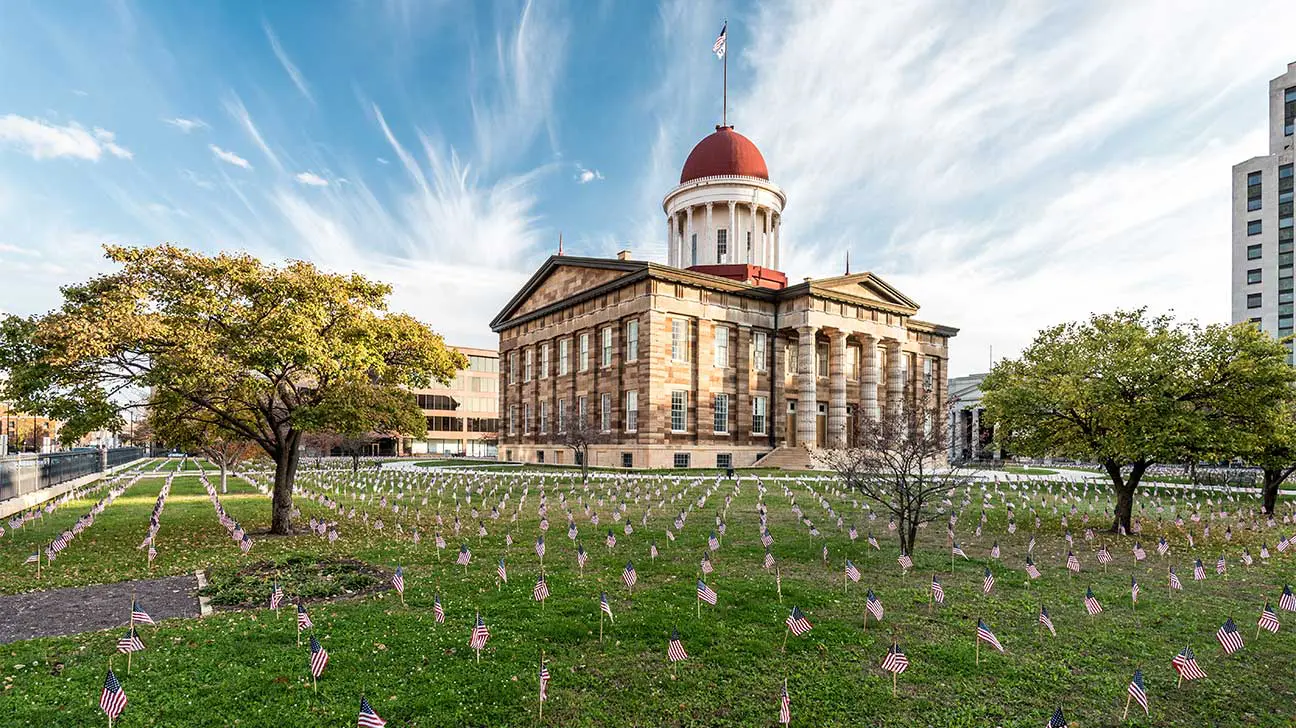
Illinois Medicaid is a government-run health insurance program that covers essential health care services such as mental health and addiction treatment.
People with Illinois Medicaid can use their coverage to cover most or all of the cost of a drug and alcohol rehab program.
There are several rehab centers that accept Medicaid insurance throughout the state of Illinois.
List Of Drug And Alcohol Rehab Centers That Accept Illinois Medicaid
The following rehab centers were selected based on criteria such as accreditation status, licensure, Google reviews, positive client testimonials, and other marks of quality.
1. CAP Quality Care, Downers Grove, Illinois
CAP Quality Care is an addiction recovery center in Downers Grove, IL.
Drug and alcohol treatment services may include:
- medication-assisted treatment (MAT)
- counseling services
- support groups
- case management
CAP is accredited by the Joint Commission and is a member of the American Association for the Treatment of Opioid Dependence (AATOD).
Medicaid and Medicare insurance plans are accepted here.
Location and contact information:
4954 Main St.
Downers Grove, IL 60515
(630) 810-0186
2. Centerstone, Carbondale, Illinois
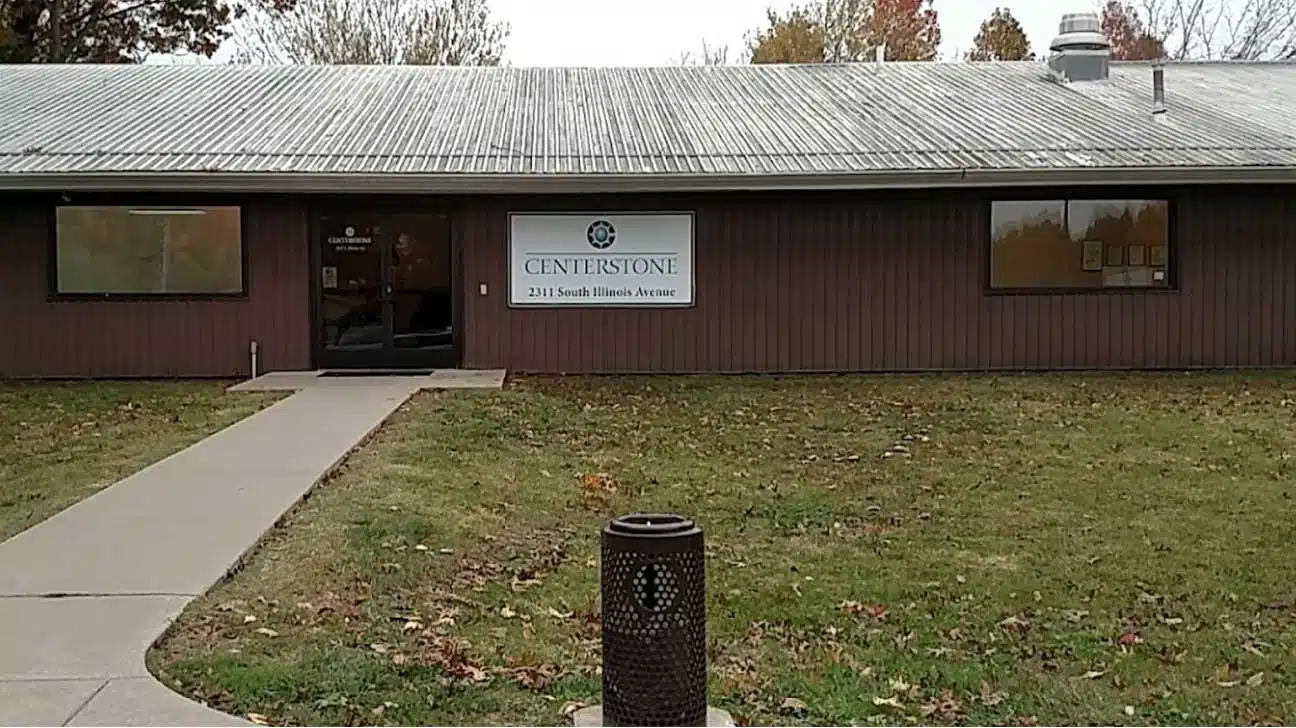
Centerstone is a nonprofit organization that offers inpatient addiction recovery services such as individual and family therapy, group counseling, medical detox, and medication management.
This drug rehab center in Carbondale, IL, is backed by a 5-star Google rating and accreditation from the Commission on Accreditation of Rehabilitation Facilities (CARF).
Location and contact information:
200 N. Emerald Ln.
Carbondale, IL 62901
(855) 608-3560
3. Hour House, Charleston, Illinois
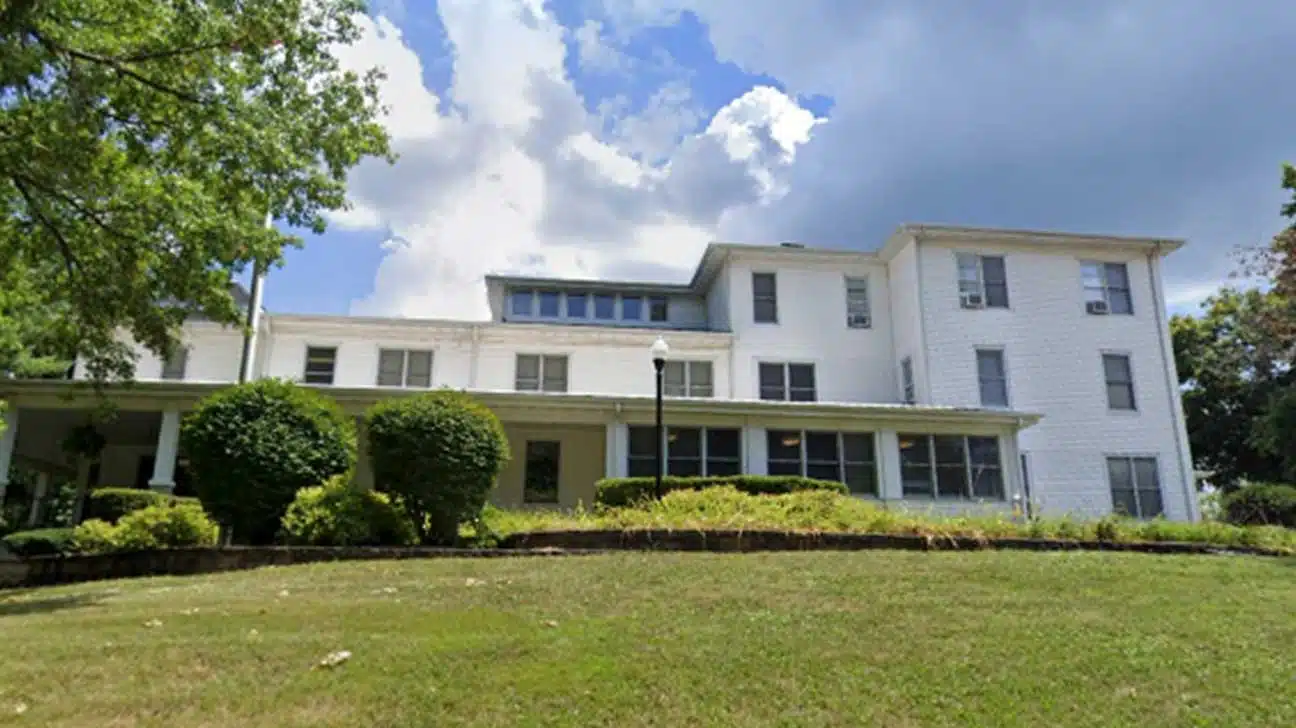
This rehabilitation center provides an array of treatment services such as inpatient rehab programs, intensive outpatient programs (IOP), detoxification, and more.
Hour House is backed by:
- CARF accreditation
- licensure from the Illinois Department of Human Services
- a 3.1-star Google rating
Hour House accepts Medicaid, private pay, and Managed Care Medicaid.
Location and contact information:
635 Division St.
Charleston, IL 61920
(217) 348-8108
4. MedMark Treatment Centers, Champaign, Illinois
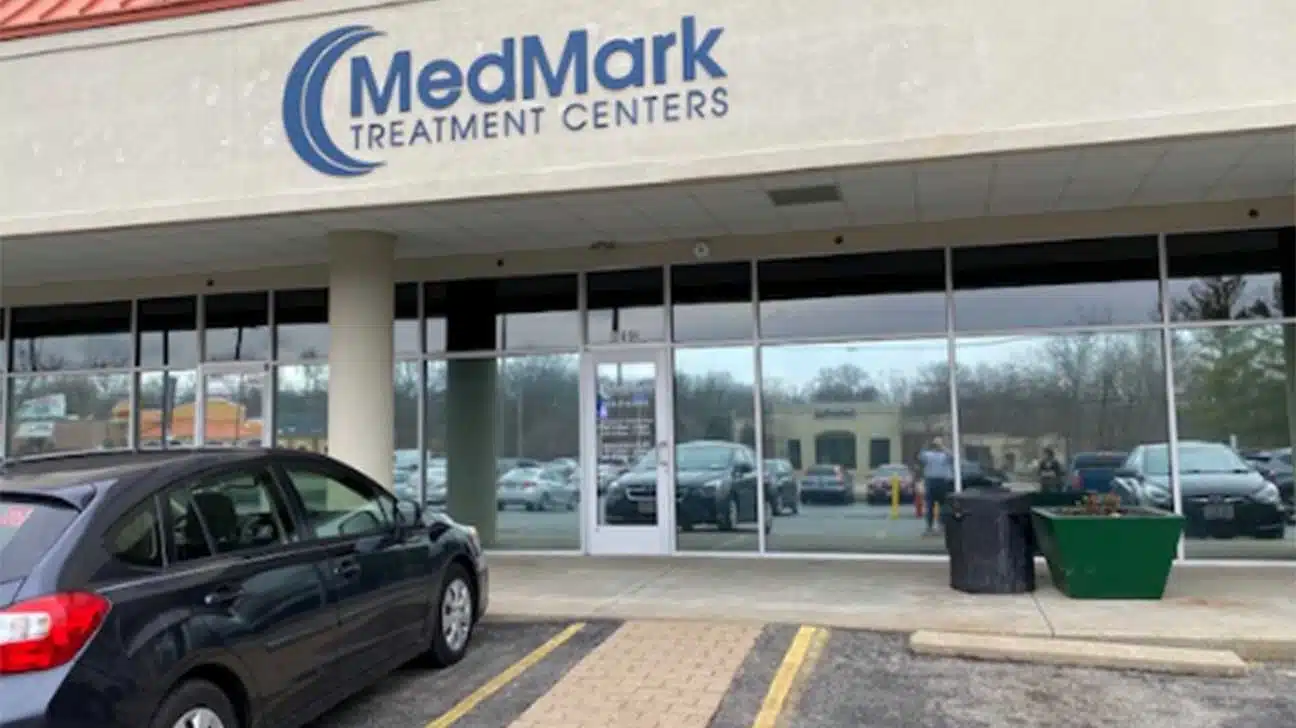
This rehab facility in Champaign, IL, accepts Medicaid and provides evidence-based services such as methadone maintenance, counseling services, and discharge planning.
MedMark Treatment Centers is backed by CARF accreditation and a 4.3-star Google rating.
Location and contact information:
106 S. Country Fair Dr.
Ste. C
Champaign, IL 61821
(2017) 373-8200
5. Rock Island County Council On Addictions (RICCA), East Moline, Illinois
RICCA offers inpatient and outpatient treatment programs that include services such as individual counseling, group therapy, 12-step programs, and relapse prevention services.
The top features of this addiction treatment program include certification through the Illinois Alcohol and Other Drug Abuse Professional Certification Association (IAODAPCA).
Here, clients can use Medicaid insurance to pay for addiction treatment.
Location and contact information:
1607 John Deere Rd.
East Moline, IL 61244
(309) 792-0292
6. Southwood Interventions, Chicago, Illinois
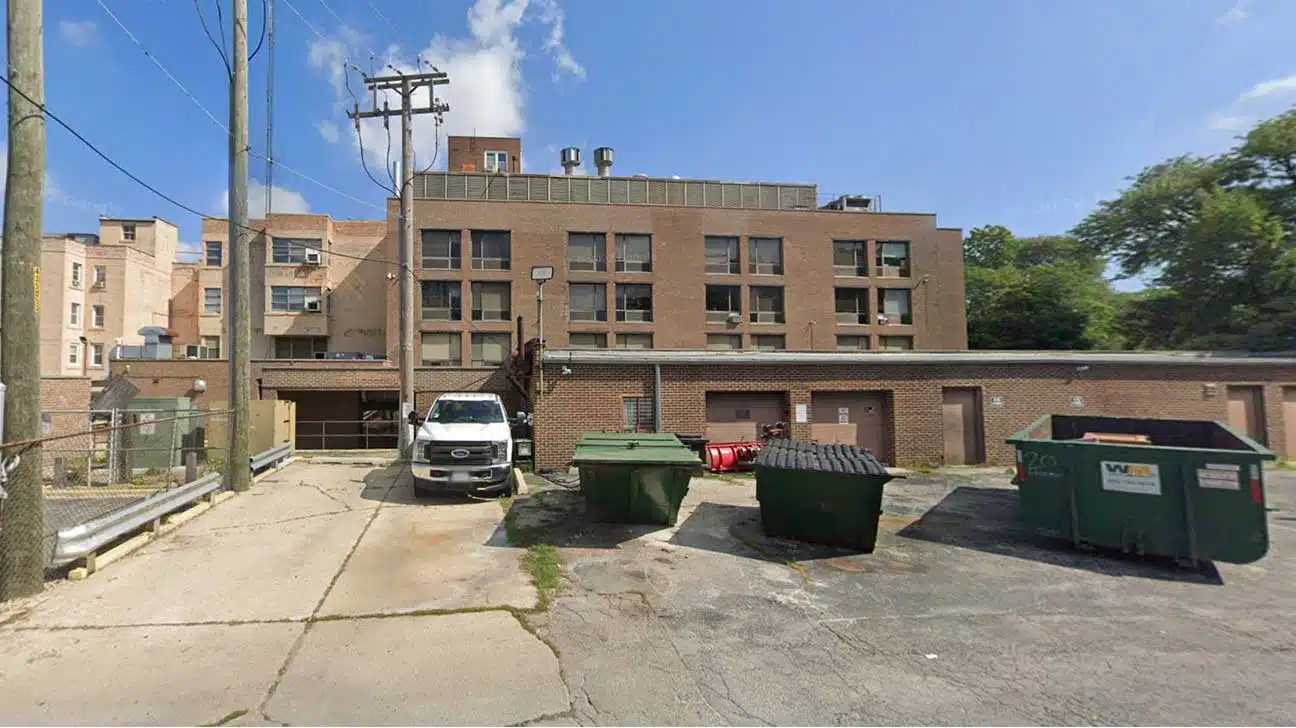
Southwood Interventions offers multiple levels of care for substance use treatment in Chicago, IL. This facility accepts Medicaid and a number of private health insurance plans.
Treatment options include:
- drug and alcohol detox services
- residential treatment programs
- standard outpatient treatment
This addiction treatment center is accredited by the Joint Commission.
Location and contact information:
5701 S. Wood St.
Chicago, IL 60636
(773) 737-4600
Substance Use Treatment Services Covered By Illinois Medicaid
All Illinois Medicaid plans cover some level of addiction and mental health treatment services.
Behavioral health services may include:
- long-term inpatient treatment for Illinois residents
- outpatient drug rehab programs
- MAT using buprenorphine
- dual diagnosis treatment for co-occurring disorders
- group therapy for people battling drug addiction
- family therapy
- short-term residential treatment
- family services
- twelve-step programs for alcohol addiction
- support groups for adolescents
- partial hospitalization programs (PHP)
- treatment for mental health issues
- cognitive behavioral therapy (CBT)
- medical detox
- intensive outpatient treatment
- relapse prevention
- support groups
- aftercare
Holistic treatment plans covered by Medicaid may include acupuncture, yoga classes, music therapy, mindfulness meditation courses, and more.
How To Gain Access To Drug Rehab Programs Using Illinois Medicaid
Illinois residents who have been deemed eligible for Medicaid will first have to enroll in one of the program’s managed care plans.
Managed care plans for Illinois Medicaid are provided through commercial insurance carriers such as Blue Cross Blue Shield, Meridian Health, NextLevel Health, or IlliniCare Health.
Depending on where people reside in the state, all Medicaid enrollees have access to at least five different plans.
Cost Of Treatment At A Rehab Facility In Illinois That Accepts Medicaid
Depending on the specifics of the plan, Medicaid policyholders may be subject to a small monthly premium based on income and other factors.
Copayments may also be assessed, but people cannot be turned down for treatment services based on an inability to pay a copay.
As of 2023, copays for Medicaid services include $3.90 for each physician or clinic visit and $3.90 for each day of inpatient hospital visits.
Illinois Medicaid Eligibility Requirements
Below are some of the eligibility requirements for Illinois Medicaid coverage.
Illinois residents may be qualified if they are:
- pregnant
- responsible for a child 18 years of age or younger
- blind or have a disability
- are 65 years of age or older
People with limited financial resources must have an annual income of $20,121 before taxes to qualify for Medicaid. The income eligibility requirement will increase based on household size.
Illinois Medicaid FAQs
The frequently asked questions listed below may help you or your loved ones find a rehab center in Illinois that accepts Medicaid insurance coverage.
What If I Don’t Qualify For Illinois Medicaid?
There are still many other ways to access affordable or free addiction treatment in Illinois, even if you don’t qualify for Medicaid insurance.
Additional options may include attending a state-funded rehab center, using a government grant for drug treatment, or applying for a private scholarship that may cover the entire cost of care.
Can I Get Dual Diagnosis Treatment Using Illinois Medicaid?
Many rehabilitation centers offer dual diagnosis treatment in Illinois, but not all of them accept Medicaid insurance plans.
Contact the helpline of the treatment facility of your choice to learn more about their treatment and payment options.
Do Rehab Centers That Accept Medicaid In Illinois Offer Services For Pregnant Women?
Yes, there are several rehab centers for pregnant women in Illinois. These types of rehab programs will often accept Medicaid, TRICARE (military insurance), or Medicare.
Find Substance Abuse Treatment Today
Contact AddictionResource.net today for additional information on substance use disorder treatment.
Updated on March 21, 2023
Addiction Resource aims to provide only the most current, accurate information in regards to addiction and addiction treatment, which means we only reference the most credible sources available.
These include peer-reviewed journals, government entities and academic institutions, and leaders in addiction healthcare and advocacy. Learn more about how we safeguard our content by viewing our editorial policy.
- HealthInsurance.org — Illinois and the ACA’s Medicaid Expansion
https://www.healthinsurance.org/illinois-medicaid/ - Illinois Department of Human Services — The New Medicaid Managed Care Program: HealthChoice Illinois
https://www.dhs.state.il.us/page.aspx?item=100012